

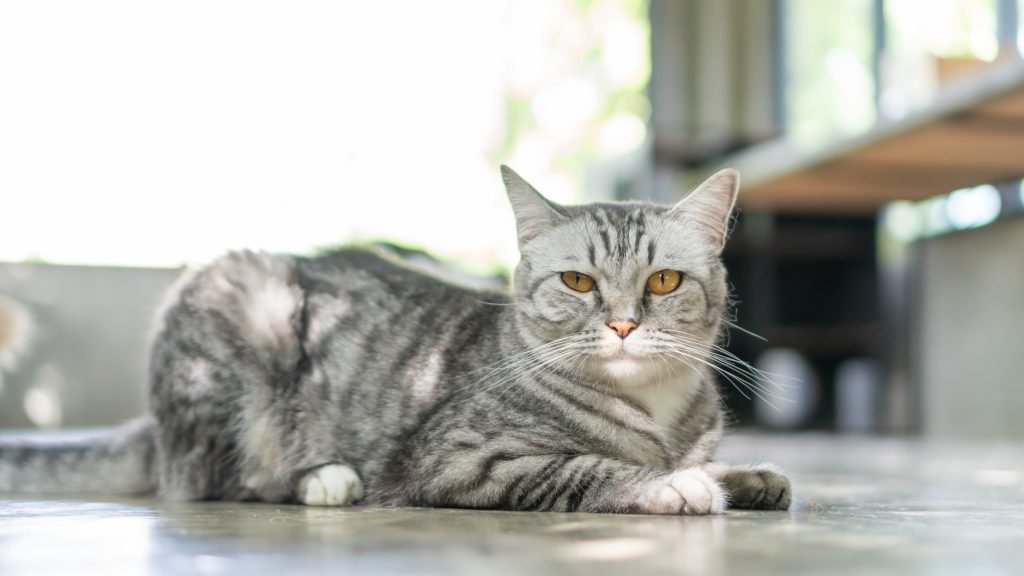
Are you enchanted by the mesmerizing patterns and playful personalities of tabby cats? If so, you’re not alone.
These charming felines, with their distinctive coats and vibrant personalities, have captured the hearts of many cat lovers around the world. But did you know that “tabby” isn’t a breed itself, but a coat pattern that can appear in many different breeds?
Yes, there’s more to the tabby than meets the eye. We’ll delve into the world of cat tabby breeds, unraveling the mystery behind those striking stripes and spots. You’ll discover how genetics shape their unique looks and why they behave the way they do. If you’re considering adding a tabby to your family or simply want to understand your furry friend better, you’re in the right place. Keep reading, and we’ll explore the fascinating world of tabby cats together.

Credit: worldanimalfoundation.org
Tabby Pattern Basics
The tabby pattern is more than just a coat design; it reveals a cat’s unique identity. Recognizing the basics of tabby patterns helps you appreciate your feline’s personality and heritage. Whether you’re a new cat owner or a seasoned enthusiast, understanding these patterns makes spotting differences easier and more fun.
Common Tabby Markings
Tabby cats display distinct markings that often tell a story about their lineage.
- Mackerel:Thin, vertical stripes resembling a fish skeleton run down the cat’s sides.
- Classic:Bold, swirling patterns create a marble-like appearance, often with a prominent “bullseye” on the sides.
- Spotted:Rather than stripes, the coat shows spots scattered across the body, varying in size.
- Ticked:Each hair is banded with multiple colors, creating a salt-and-pepper effect without visible stripes or spots.
Have you noticed how your cat’s markings seem to tell a story? Understanding these common types makes identifying them easier and more exciting.
Genetics Behind Patterns
Patterns on tabby cats come from specific genes passed down from their parents. The key gene responsible is the Agouti gene, which controls whether hairs have banded colors or are solid.
Another important gene is the Tabby gene(T), which determines the type of pattern—mackerel, classic, spotted, or ticked. These genes interact in ways that can surprise even experienced breeders.
Have you ever wondered why two tabby cats from the same litter can look so different? It’s all in their genetics, quietly shaping their unique patterns.
Color Variations
Tabby patterns appear in many colors beyond the classic orange or brown. Common colors include:
- Brown or gray shades, often called “brown tabby” or “gray tabby.”
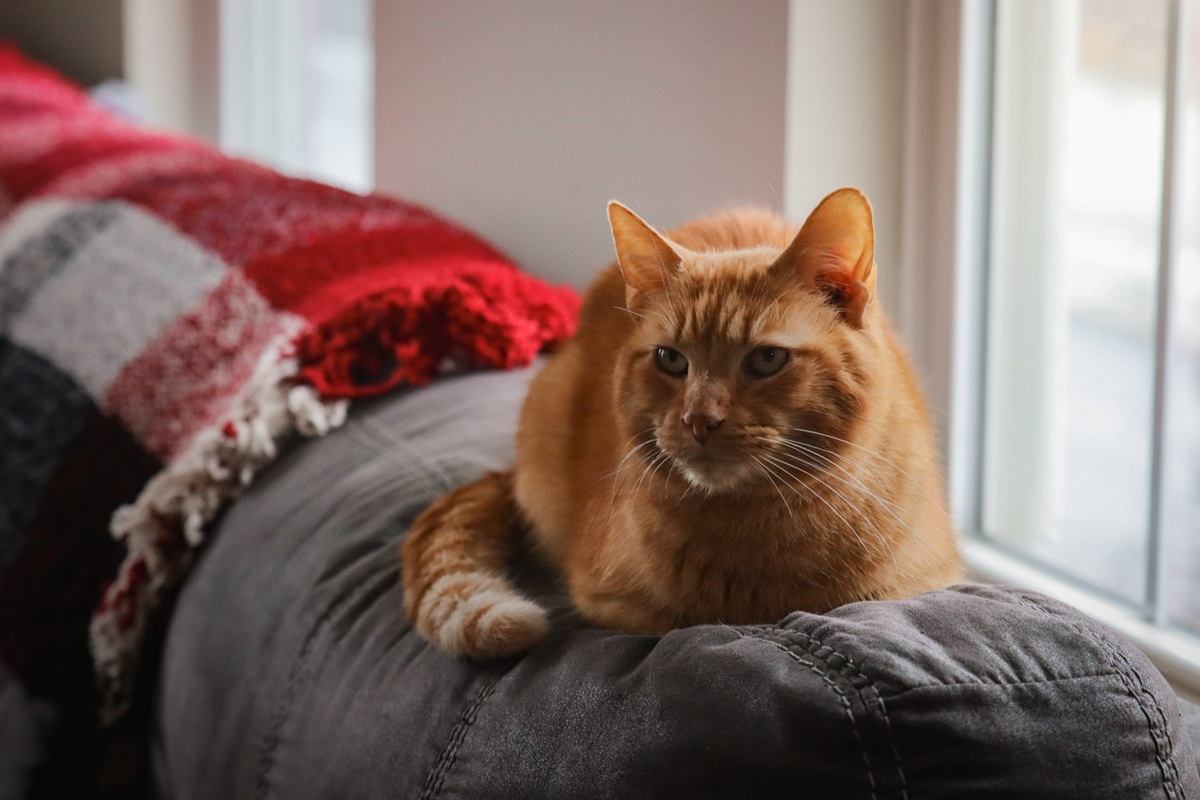
- Red or orange, sometimes referred to as “ginger tabby.”
- Silver or blue tones, giving a cooler look to the pattern.
- Buff or cream, which offer softer, muted appearances.
Colors can deepen or lighten depending on lighting and age, changing your cat’s look over time. Have you ever watched your tabby’s coat shift subtly as seasons change?
Popular Tabby Breeds
Tabby cats are among the most loved cats worldwide. Their unique striped patterns make them stand out. Many breeds carry the tabby look, each with special traits. Here are some popular tabby breeds that many cat lovers adore.
Maine Coon Tabby
The Maine Coon tabby is large and fluffy. It has thick fur and bushy tails. These cats are friendly and gentle. Their tabby markings are bold and clear. Maine Coons adapt well to families and homes.
Bengal Tabby
Bengal tabbies look wild with spotted or marbled coats. They are active and playful. Bengals have short fur with bright colors. Their energy keeps owners entertained. Bengals love exploring and climbing around.
American Shorthair Tabby
American Shorthair tabbies have classic stripes and a strong build. They are easygoing and healthy. Their fur is short and dense. These cats make great pets for many homes. They enjoy simple play and quiet times.
Scottish Fold Tabby
Scottish Fold tabbies are known for folded ears. Their tabby patterns come in many colors. These cats are calm and sweet. Scottish Folds bond closely with their humans. Their soft fur and round eyes charm many.
Personality Traits
Tabby cats are not just recognized for their beautiful striped coats; their personalities add another layer of charm that makes them wonderful companions. Understanding these personality traits helps you connect better with your feline friend and meet their needs effectively. Let’s look closely at what makes tabby cats unique in behavior and social habits.
Behavioral Tendencies
Tabby cats often show a curious and intelligent nature. They like to explore their surroundings and solve small puzzles you might present, such as finding hidden treats or toys. You might notice your tabby watching you closely, learning your habits and routines.
Many tabbies have a playful streak that lasts well into adulthood, which means they enjoy interactive playtime. They can also be quite vocal, expressing their desires and moods clearly. Have you ever noticed how a tabby seems to “talk” to you with different meows?
Social Interaction
Tabby cats usually enjoy social interaction but each one varies in how much attention they want. Some seek constant affection and follow you around the house, while others prefer short bursts of attention before retreating to a quiet corner. Watching their body language can tell you a lot about when they want company.
They tend to get along well with other pets and children if introduced properly. A tabby’s friendly nature often means they adapt well to family life. How does your tabby react when new people or animals visit your home?
Activity Levels
Activity levels in tabby cats can range from calm and laid-back to energetic and lively. Many tabbies love climbing and jumping, so providing vertical spaces like cat trees can keep them entertained. This helps avoid boredom, which can lead to unwanted behaviors.
Regular play sessions with your tabby are essential to keep their mind and body active. You’ll find they appreciate toys that mimic prey, such as feather wands or laser pointers. How do you keep your tabby engaged during the day?
Care And Maintenance
Caring for a Tabby cat means understanding their unique needs to keep them happy and healthy. Their distinct coat patterns require special attention, and their overall well-being depends on a balanced routine. Let’s look at key areas where your care makes the biggest difference.
Grooming Tips
Tabby cats often have short to medium fur, which makes grooming easier than for long-haired breeds. Still, regular brushing helps reduce shedding and prevents hairballs. Try to brush your cat at least twice a week, using a soft-bristled brush to keep their coat shiny and clean.
During shedding season, daily brushing can save your furniture and clothes. Pay close attention to their ears and claws too. Cleaning ears gently and trimming claws every few weeks keeps infections and injuries at bay.
Diet And Nutrition
Your Tabby’s diet affects their energy, coat health, and lifespan. Choose high-quality cat food rich in protein and low in fillers like corn or soy. Cats are obligate carnivores, so animal-based protein is essential.
Watch your cat’s weight carefully. Overfeeding can lead to obesity, which causes joint problems and diabetes. If your Tabby is active and playful, they might need more calories; less active cats require portion control.
Health Concerns
Tabbies can be prone to some common feline illnesses like kidney disease and dental problems. Regular vet checkups help catch these issues early. Ask your vet about vaccinations and parasite prevention tailored to your cat’s lifestyle.
Notice changes in behavior or appetite—they often signal health problems. Your Tabby’s purring and playful nature might fade if something is wrong. How often do you observe your cat’s daily habits closely enough to spot these signs?
Choosing The Right Tabby
Choosing the right tabby cat means thinking about many factors. Tabby cats come with different personalities and care needs. Finding one that fits your daily life makes pet ownership happy and smooth.
Matching Lifestyle
Some tabbies are active and playful, needing space and toys. Others prefer calm, quiet homes and short play sessions. Consider your daily routine, home size, and family members.
If you work long hours, a low-energy tabby suits better. Homes with children may benefit from gentle, patient tabbies. Think about your activity level and how much time you can spend with your cat.
Adoption Vs. Breeder
Adopting a tabby helps save a life and often costs less. Shelters have many cats needing loving homes. These cats may already be vaccinated and spayed or neutered.
Breeders offer specific tabby breeds and pedigrees. You get a kitten with known traits and health history. Breeders can provide advice on care and training.
Both options can give you a wonderful tabby. Choose based on your budget, preferences, and values.
Cost Considerations
- Adoption fees range from $50 to $150, often including vaccinations.
- Breeder prices vary widely, from $300 to over $1,000 per kitten.
- Initial costs include food, litter, toys, and vet visits.
- Long-term expenses cover routine care and emergencies.
Plan your budget carefully before bringing a tabby home. Consider both upfront and ongoing costs for a happy, healthy cat.

Credit: worldanimalfoundation.org
Credit: cats.com
Frequently Asked Questions
What Distinguishes Tabby Cat Breeds From Others?
Tabby cats have distinctive coat patterns with stripes, swirls, or spots. Their “M” shaped mark on the forehead is unique. These patterns appear in many breeds, making tabby a pattern, not a breed itself.
Are All Tabby Cats The Same Breed?
No, tabby refers to a coat pattern, not breed. Many breeds, like Maine Coons and Bengals, can have tabby patterns. Each breed has unique traits beyond the tabby markings.
How Many Types Of Tabby Patterns Exist?
There are four main tabby patterns: classic, mackerel, spotted, and ticked. Each has different stripe or spot arrangements, giving tabby cats their unique appearance.
Do Tabby Cats Have Special Personality Traits?
Tabby cats do not have a specific personality linked to their pattern. Their behavior depends more on breed, upbringing, and environment than coat pattern.
Conclusion
Tabby cats come in many beautiful patterns and breeds. Each type has unique looks and friendly traits. They make great pets for families and individuals alike. Understanding their care needs helps keep them happy and healthy. Enjoy the charm and warmth these cats bring to your home.
Choose a tabby breed that fits your lifestyle best. A loving tabby can brighten any day with its playful nature.
