

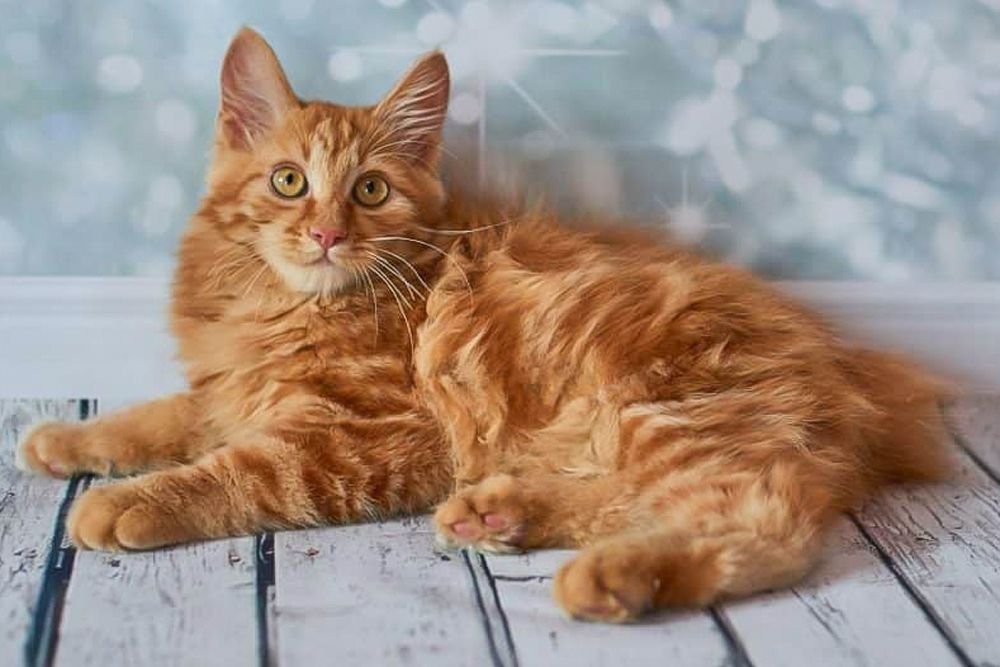
Imagine a cat with a playful personality and a tail that’s as unique as its charm. That’s the allure of bobtail cat breeds, and if you’re a cat lover, you’re in for a treat.
These fascinating felines are not just about their distinctive tails; they bring a world of personality and history right into your home. Are you curious about what makes these cats so special and why they could be the perfect addition to your family?
You’ll want to stick around because we’re about to explore the captivating world of bobtail cats, uncovering their secrets and what makes them purr-fect companions for you. Prepare to discover why these cats might just steal your heart.

Credit: www.aol.com
Bobtail Cat Origins
Bobtail cats are known for their short, stubby tails and charming personalities. Their origins trace back to unique natural mutations and selective breeding. These cats have captured the hearts of many due to their distinctive appearance and friendly nature.
History Of Bobtail Cats
Bobtail cats have a long and interesting history. They first appeared in different parts of the world, often as natural mutations. The Japanese Bobtail is one of the oldest known bobtail breeds. It has been part of Japanese culture for centuries and often appears in folklore and art.
In the United States, the American Bobtail was developed in the 1960s from a naturally occurring short-tailed cat. Breeders aimed to keep the bobtail trait while improving the cat’s health and temperament. These cats quickly became popular for their playful and loving nature.
Different Bobtail Varieties
Bobtail cats come in several varieties, each with unique traits. The most popular types include:
- Japanese Bobtail:Known for its sleek body and colorful coat patterns. It has a distinctive pom-pom tail.
- American Bobtail:Larger and more muscular with a fluffy, short tail. Very friendly and adaptable.
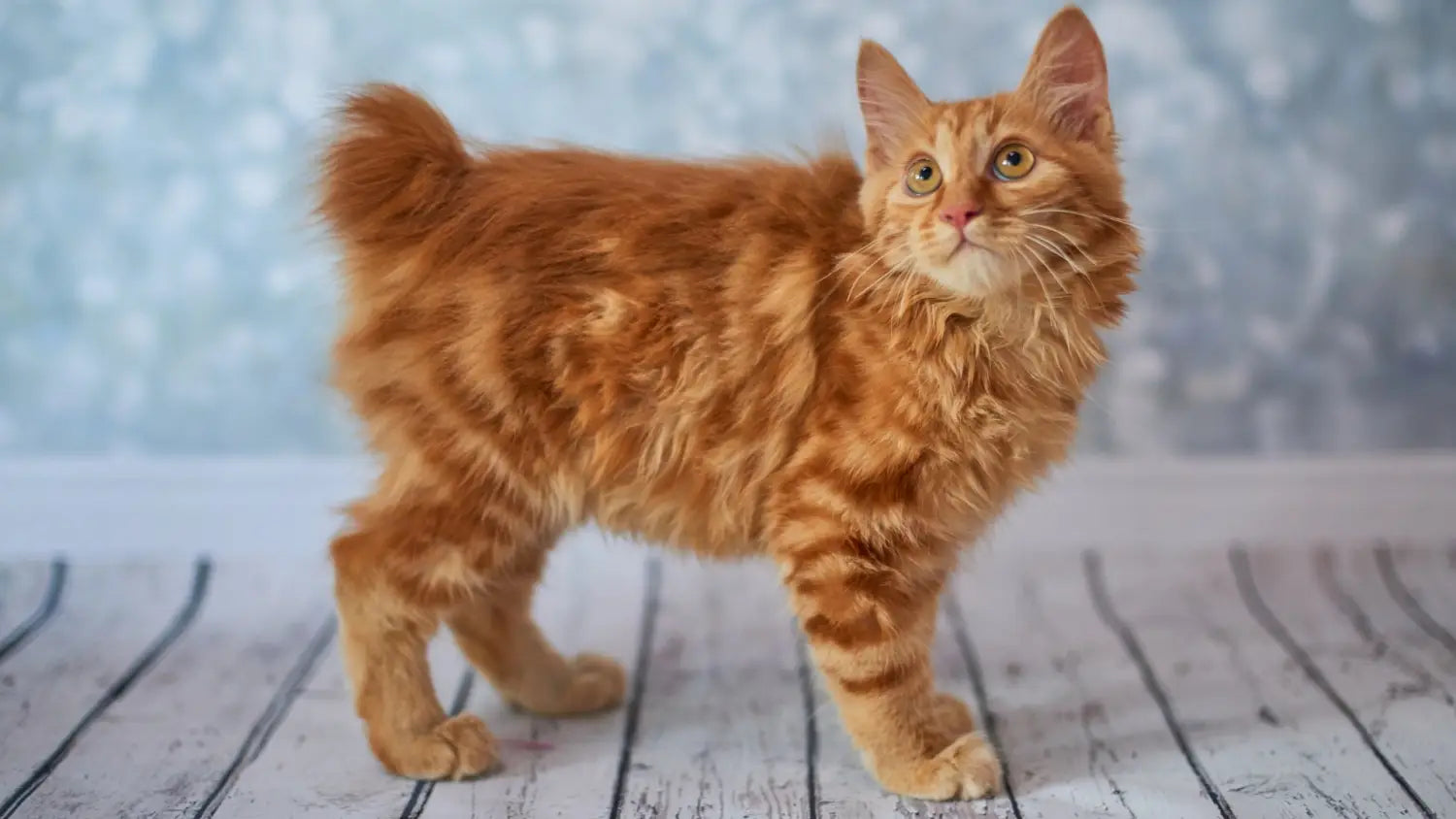
- Kurilian Bobtail:Originates from Russia and the Kuril Islands. Known for its strong build and bobbed tail.
- Manx Cat:Famous for having no tail or a very short tail. Comes from the Isle of Man.
Credit: purebredkitties.com
Distinctive Traits
Bobtail cat breeds stand out with their unique features that catch your eye immediately. Their distinctive traits go beyond just their short tails, shaping their entire look and personality. Understanding these traits helps you appreciate why bobtail cats are so special and why they might be the perfect pet for you.
Tail Characteristics
The most obvious trait of bobtail cats is their short, stubby tail. Unlike typical cats with long tails, bobtails have tails that can be kinked, curled, or completely straight but short. This unique tail shape is not just a quirky feature—it often reflects their breed’s genetic background.
Interestingly, the tail length varies even within the same breed, making each bobtail cat’s tail a little different. Have you noticed how some bobtails wag their tails like dogs? This can be a charming and expressive trait that sets them apart.
Physical Appearance
Bobtail cats are muscular and sturdy, with a body that looks strong but agile. Their fur can be short or long, and it often feels soft and plush to the touch. Many have broad faces and large, expressive eyes that add to their captivating look.
Colors and patterns differ widely, from solid colors to spotted or striped coats. This diversity means you can find a bobtail cat that fits your aesthetic preferences perfectly. Have you ever met a cat whose appearance combines ruggedness with elegance? That’s the bobtail charm.
Personality And Behavior
Bobtail cats are known for their friendly and playful nature. They tend to bond closely with their owners and enjoy interactive play, making them great companions. Their intelligence means they can learn tricks and adapt well to new environments.
They often show dog-like loyalty and may follow you around the house or wait by the door when you come home. If you want a cat that’s both affectionate and lively, a bobtail might surprise you with how engaging and interactive they can be.
Health Considerations
Understanding the health considerations of Bobtail cat breeds helps you provide the best care for your feline friend. These cats are known for their unique tails and charming personalities, but they also come with specific health needs. Paying attention to these can improve your cat’s quality of life and prevent common problems.
Common Health Issues
Bobtail cats often face certain health challenges that you should watch out for. Joint problems, especially in the tail and spine, are common due to their distinctive bobbed tails. You might notice stiffness or discomfort if your cat is affected.
Another issue is obesity, which can worsen joint pain and lead to diabetes. Keeping your Bobtail active and feeding a balanced diet helps prevent this. Regular vet check-ups can catch problems early, before they become serious.
- Tail and spine joint problems
- Obesity and related complications
- Dental disease due to poor oral hygiene
- Respiratory issues in some breeds
Genetic Factors
Bobtail cats inherit certain traits that influence their health. The gene responsible for their short tail can sometimes cause spinal abnormalities. This means your cat might be more prone to nerve issues or mobility problems.
Knowing your cat’s lineage helps you anticipate these risks. Some breeders conduct genetic testing to reduce the chances of passing on serious conditions. Asking about this before adopting a Bobtail can save you heartache and vet bills.
Have you checked if your Bobtail’s parents were screened for genetic health? This simple step can make a big difference in your cat’s wellbeing.
Daily Care Tips
Daily care is essential for keeping Bobtail cats happy and healthy. Their unique traits need special attention to thrive. Simple routines can make a big difference in their well-being.
Focus on grooming, diet, and exercise. These areas cover most of their basic needs. Consistency helps build a strong bond with your cat.
Grooming Needs
Bobtail cats have dense fur that can mat without care. Brush their coat at least twice a week. Use a soft brush to avoid skin irritation. Check ears and eyes regularly for dirt. Trim their nails every two weeks to prevent scratches.
Diet And Nutrition
Feed Bobtail cats high-quality food rich in protein. Balanced nutrition supports their muscle strength and energy. Provide fresh water daily to keep them hydrated. Avoid giving them human food or treats high in fat. Measure portions to prevent obesity, as these cats can gain weight easily.
Exercise And Play
Bobtails are active and curious. Engage them in play sessions daily to burn off energy. Use toys like feather wands and laser pointers. Create climbing spaces or cat trees for physical activity. Regular play helps reduce stress and boredom.
Training And Socialization
Training and socialization shape how your Bobtail cat behaves and interacts with its environment. These cats are smart and curious, making training both rewarding and fun. Building positive habits early can help avoid common issues and create a strong bond between you and your pet.
Litter Training
Bobtail cats usually pick up litter training quickly due to their natural cleanliness. Place the litter box in a quiet, accessible spot and keep it clean to encourage use.
If accidents happen, gently guide your cat back to the box without punishment. Consistency is key, and using the same type of litter can make a big difference.
Interacting With Other Pets
Introducing your Bobtail to other pets requires patience. Start with short, supervised meetings to observe their reactions.
Use positive reinforcement like treats and praise to reward calm behavior. Have you noticed how some cats instantly warm up to new friends, while others need more time? Respect your cat’s pace, and gradually increase their interactions.
Building Trust
Trust grows through gentle handling and spending quality time together. Speak softly and offer treats to create positive experiences.
Try interactive play sessions to engage your Bobtail’s hunting instincts and strengthen your connection. What small gestures have you found build the best trust with your cat?

Credit: www.shutterstock.com
Choosing The Right Bobtail
Choosing the right bobtail cat means thinking about many factors. Each bobtail breed has unique traits and needs. Understanding these helps you find a cat that fits your life well.
Finding Reputable Breeders
Reputable breeders care about the health and behavior of their cats. They provide clean, safe environments for kittens. Ask about health tests and vaccinations. A good breeder shares detailed information and welcomes questions. Visit the breeder’s home or facility if possible. This shows how the cats are raised and treated.
- Check for breeder registration and reviews
- Request health records and lineage
- Meet the kitten’s parents
- Observe the kittens’ social behavior
Adoption Considerations
Adoption is a kind choice that saves lives. Many bobtails in shelters need loving homes. Shelter cats may have less background information. Prepare to spend time helping your new pet adjust. Consider your lifestyle and space before adopting. Some bobtail breeds need more attention and playtime. Think about the cat’s age, health, and temperament. Adoption fees often cover vaccinations and spaying or neutering.
Frequently Asked Questions
What Are The Main Types Of Bobtail Cat Breeds?
Bobtail cat breeds mainly include the Japanese Bobtail and American Bobtail. Both have distinct short tails and unique personalities. They are popular for their playful and affectionate nature.
How Long Is A Bobtail Cat’s Tail?
A Bobtail cat’s tail is naturally short, usually 2 to 4 inches long. This tail length is a genetic trait, giving the breed its unique look.
Are Bobtail Cats Good With Children?
Yes, Bobtail cats are known to be friendly and gentle. They adapt well to family environments and enjoy interactive play with kids.
Do Bobtail Cats Require Special Grooming?
Bobtail cats generally need regular brushing, especially if they have longer fur. Grooming helps reduce shedding and keeps their coat healthy.
Conclusion
Bobtail cat breeds offer unique looks and friendly personalities. Their short tails make them stand out from other cats. These cats adapt well to many homes and families. They enjoy playtime and love attention from people. Choosing a bobtail cat means welcoming a loyal friend.
Each breed has its own special traits to explore. These cats bring joy and charm in many ways. A bobtail cat can brighten any household easily. Consider these cats for a fun and loving pet.
