

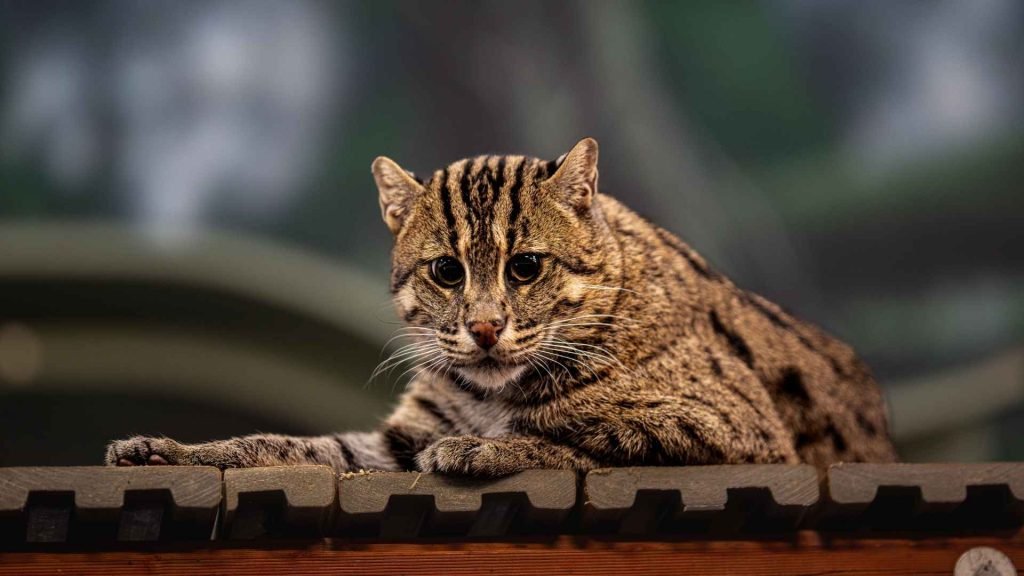
Are you a cat lover with a thirst for the extraordinary? Imagine owning a feline friend so unique that it turns heads and sparks conversations wherever you go.
Most cats are special in their own right, but some breeds are so rare that they seem almost mythical. These elusive cats are not just pets; they’re living treasures that bring a sense of wonder into your home. Dive into the world of the most rare cat breeds and discover what makes them so captivating.
Get ready to explore the stories, features, and quirks that set these remarkable cats apart from the everyday tabby. Your adventure into the rarest realms of the feline kingdom starts now—read on and uncover the secrets of these extraordinary companions.
Exotic Cat Breeds
Exotic cat breeds captivate with their unusual looks and unique personalities. These cats often come from rare genetic lines or special breeding programs, making them stand out in the feline world. If you want a pet that turns heads and sparks curiosity, these exotic breeds might be exactly what you’re looking for.
Ashera Cats
Ashera cats are one of the rarest and most controversial exotic breeds. They look like a mix between a leopard and a domestic cat, featuring large spots and a tall, slender build. Owning an Ashera means enjoying a cat with wild beauty but a gentle, affectionate nature.
Did you know these cats can weigh over 20 pounds? Their size and striking appearance make them a unique choice for someone ready for a big, exotic companion.
Serengeti Cats
Serengeti cats were bred to resemble wild servals while maintaining a friendly, playful personality. Their tall ears and long legs give them a graceful, exotic look. If you want a cat that’s active and loves to explore, the Serengeti might be your perfect match.
These cats enjoy interactive play and can be trained to fetch, much like dogs. How often do you find a cat eager to play catch?
Peterbald Cats
Peterbald cats are known for their sleek, hairless bodies and elegant posture. They can have different coat types, including completely bald, velvety soft, or short fuzz. Their affectionate and social nature means they thrive when you spend plenty of time with them.
Owning a Peterbald means less shedding but more attention to skin care. Are you ready to give a cat the special care its unique skin needs?

Credit: talis-us.com
Ancient And Heritage Breeds
Ancient and heritage cat breeds carry stories from the past. These cats have lived alongside humans for centuries. They often have unique looks and traits. Their rarity makes them fascinating to many cat lovers.
These breeds show how cats adapted to different places. They keep old features that other cats lost over time. Knowing about these breeds helps us appreciate the diversity of cats.
Kurilian Bobtail
The Kurilian Bobtail comes from Russia and Japan. It has a short, fluffy tail that looks like a pom-pom. This breed is strong and good at hunting. It loves to swim, which is rare for cats. Kurilian Bobtails are friendly and enjoy family time.
Sokoke Cats
Sokoke cats come from a forest in Kenya. They have a spotted coat that helps them hide. These cats are active and curious. Sokokes are smart and like to explore their surroundings. They are quiet but very playful.
Chausie Cats
Chausie cats are a mix of wild and domestic cats. They come from crossing domestic cats with jungle cats. Chausies have long legs and a sleek body. They are energetic and love to jump. These cats need lots of attention and playtime.
Unique Physical Traits
Unique physical traits set rare cat breeds apart, making them fascinating companions for cat lovers. These traits often reflect the breed’s history, environment, or genetic quirks, giving each cat a one-of-a-kind appearance. You might find yourself captivated by their unusual looks and wondering how such diversity exists within the feline world.
Lykoi Cats – The Werewolf Cat
The Lykoi cat stands out with its patchy coat that resembles a werewolf’s fur. This breed has a natural mutation that causes hair loss in a unique pattern, giving it a wild, almost mythical look.
Despite their unusual appearance, Lykoi cats are affectionate and playful. Their sparse fur means you might need to pay extra attention to their skin care, unlike regular cats with thick coats.
Minskin Cats
Minskin cats are tiny with short legs but have fur only on their extremities—face, ears, paws, and tail—while the rest of their body is almost hairless. This distinct pattern makes them look like little plush toys with unique markings.
Because of their small size and delicate fur, Minskin cats need gentle handling and warm environments. Their rare physical traits make them a joy to observe, especially when they stretch or jump, revealing their unusual proportions.
American Wirehair
The American Wirehair has a coat that feels like crimped wire, thanks to a spontaneous genetic mutation. This gives their fur a springy texture that stands out from the smooth coats of most other cats.
Owning an American Wirehair means enjoying a tactile experience, as their fur invites you to touch and feel its unique texture. Their wire-like coat also tends to resist matting, which can simplify grooming routines.
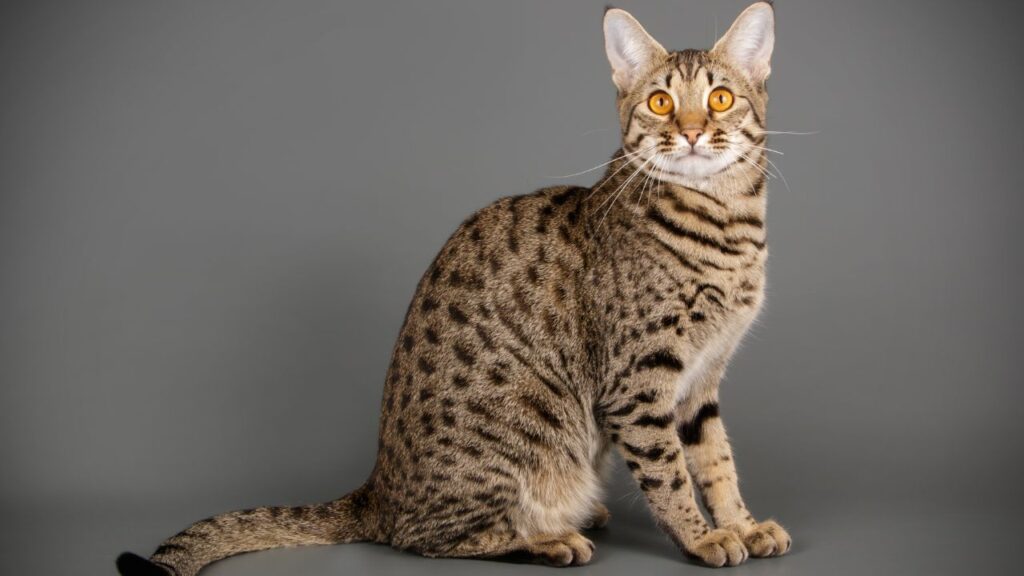
Credit: worldanimalfoundation.org
Geographically Limited Breeds
Some cat breeds remain rare because they are found only in specific regions. These geographically limited breeds have unique traits shaped by their local environments and cultures. Their scarcity outside their home areas makes them special for cat lovers seeking something truly distinctive.
Khao Manee Cats Of Thailand
The Khao Manee is a stunning white cat native to Thailand. Known as the “White Gem,” it has a pure white coat and striking eyes that can be blue, gold, or odd-eyed (each eye a different color). These cats are often considered lucky and were once favored by Thai royalty.
Owning a Khao Manee means enjoying a calm but playful companion. Their rarity outside Thailand makes them a prized find for enthusiasts. Have you ever seen a cat with eyes so captivating they seem to tell a story?
Turkish Van Cats
Turkish Van cats come from the Lake Van region in Turkey, famous for their love of water. Unlike most cats, they enjoy swimming and playing in water, which is quite unusual. Their semi-long, water-resistant coat and unique color pattern—mostly white with colored markings on the head and tail—set them apart.
These cats are energetic and intelligent, often forming strong bonds with their owners. If you want a cat that breaks the typical feline mold, the Turkish Van might surprise you. Would you consider a cat that loves water as much as you might?
Australian Mist
The Australian Mist was developed in Australia by crossing Burmese, Abyssinian, and domestic cats. This breed is known for its spotted or marbled coat, which helps it blend into natural surroundings. Australian Mists are friendly and adaptable, making them great family pets.
Though not as old as other breeds, their unique origin story and appearance make them stand out. If you want a cat that combines beauty with a gentle personality, this breed deserves your attention. How important is a cat’s temperament compared to its looks in your choice?
Challenges In Breeding Rare Cats
Breeding rare cat breeds is a rewarding but complex endeavor. It requires more than just pairing two cats; it demands careful attention to genetic health, availability of breeding partners, and long-term viability of the breed. You might think finding a rare cat is the hardest part, but the real challenges often begin with the breeding process itself.
Genetic Diversity Concerns
Maintaining genetic diversity in rare cat breeds is critical to avoid inbreeding issues. When the gene pool is small, the risk of passing down harmful traits rises sharply. Breeders must carefully track lineage and sometimes introduce new genetic lines to keep the breed healthy.
Have you considered how limited genes might affect your cat’s health in the long run? Genetic testing is a practical step you can take to minimize these risks and ensure healthier kittens.
Health Issues
Rare breeds often carry unique health challenges that can be difficult to detect early. Some breeds are prone to specific diseases due to their limited gene pool or unique physical traits. Breeders need to monitor their cats closely for signs of illness and work with veterinarians to manage health proactively.
Investing time in understanding breed-specific health problems can save you heartache and expenses later. Would you be ready to handle a rare breed’s special health needs?
Breeder Rarity
Finding experienced breeders of rare cats can be a real challenge. Limited breeder availability means fewer opportunities to find genetically diverse mates or get advice on the breed’s care. This scarcity can slow down breeding programs and increase the chance of mistakes.
Connecting with a community of rare cat breeders and enthusiasts can offer support and knowledge-sharing. Have you reached out to breed-specific groups to learn from their experiences?
Conservation And Preservation Efforts
Conserving rare cat breeds requires focused efforts from communities and experts. These efforts protect unique traits and keep the breeds healthy. Many groups work hard to maintain the bloodlines and support the cats’ survival. Preservation involves careful planning and education to prevent loss of these special breeds.
Breed Registries
Breed registries play a key role in preserving rare cats. They keep detailed records of each cat’s lineage. This helps avoid inbreeding and keeps the breed standard clear. Registries also connect breeders and owners worldwide. They often organize events to celebrate and promote rare breeds.
Responsible Breeding Practices
Responsible breeding ensures strong and healthy cats. Breeders select cats with good health and temperament. They avoid breeding close relatives to reduce genetic problems. Breeders also follow strict guidelines for care and socialization. This creates a better life for the cats and helps the breed thrive.
Awareness Campaigns
Raising awareness helps protect rare cat breeds. Campaigns educate people about the breed’s history and needs. They encourage adoption and support for preservation groups. Social media and events spread the word to a wider audience. Awareness brings new fans and care for these special cats.
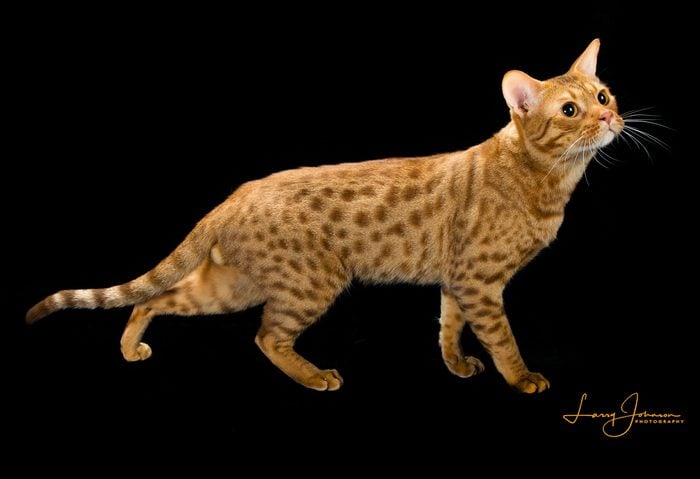
Credit: www.rd.com
Frequently Asked Questions
What Are The Rarest Cat Breeds In The World?
The rarest cat breeds include the Sokoke, Peterbald, and Kurilian Bobtail. These cats have unique features and limited populations worldwide.
Why Are Some Cat Breeds Considered Rare?
Cat breeds become rare due to limited genetic pools, specific traits, or geographic isolation. Their breeding numbers remain low, making them unique.
How Can I Find A Rare Cat Breed To Adopt?
To adopt a rare cat breed, contact specialized breeders, rescue groups, or cat breed organizations. Research ensures ethical and responsible adoption.
Are Rare Cat Breeds More Expensive To Own?
Yes, rare cat breeds often cost more due to their scarcity and specialized care needs. Veterinary and grooming expenses can also be higher.
Conclusion
Rare cat breeds show how diverse and special cats can be. Each breed has unique looks and traits that make it stand out. These cats are not easy to find, which makes them even more interesting. Owning a rare cat means enjoying a one-of-a-kind friend.
They need love and care like any other pet. Exploring these rare breeds helps us appreciate the beauty of cats more. Their rarity adds to their charm and appeal. A rare cat can bring joy and wonder to any home.
