

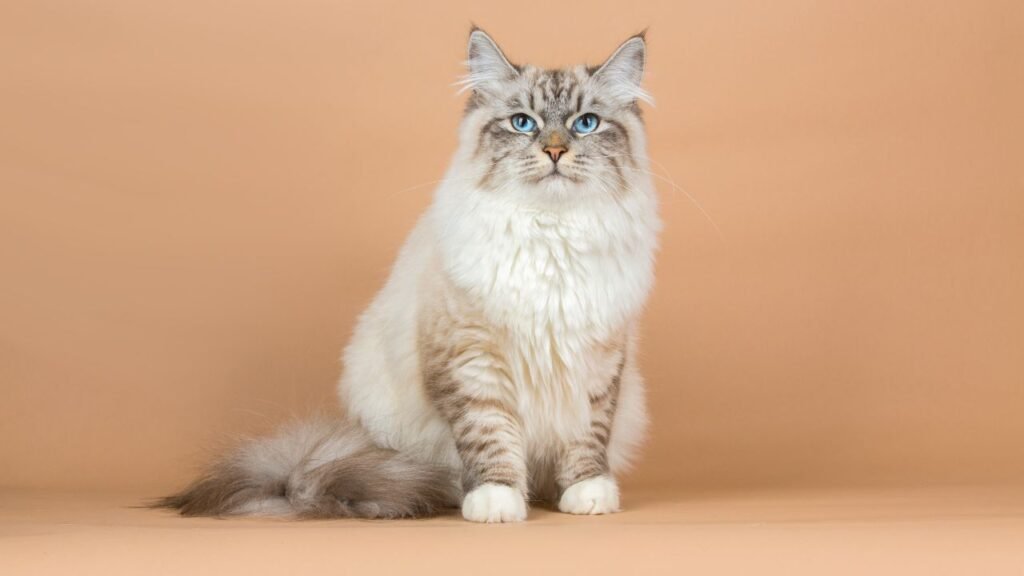
Imagine having a piece of the wild right in your living room. Big cat breeds captivate us with their majestic presence and awe-inspiring traits.
These feline wonders aren’t just pets; they’re a blend of mystery and allure that draws you in. Whether it’s their striking patterns or their regal demeanor, there’s something undeniably magnetic about them. As you read on, you’ll discover what makes each breed unique and why they might just be the perfect addition to your family.
Get ready to dive into a world where the wild meets the wonderful, and where every purr tells a story. Curious to know which big cat breed might be your perfect match? Let’s explore the fascinating world of big cat breeds together.
Types Of Big Cats
Big cats captivate us with their strength, beauty, and unique behaviors. Each species has distinct traits that set them apart. Understanding these differences can deepen your appreciation and awareness of their roles in the wild.
Lions: The Social Predators
Lions stand out as the only truly social big cats. They live in groups called prides, which helps them coordinate hunts and protect their territory. Have you ever wondered how their teamwork compares to your own group efforts?
The pride system gives lions an advantage during hunts, especially when taking down larger prey. Their social bonds also ensure that cubs get better protection and care. This cooperative lifestyle is rare among big cats.
Tigers: Striped Solitary Hunters
Tigers are solitary animals, relying on stealth and power to hunt alone. Their distinctive stripes help them blend into dense forests and tall grasses. If you pay attention, you’ll notice how each tiger’s stripe pattern is unique, much like human fingerprints.
They cover large territories and use scent markings to communicate with other tigers. This solitary nature means they must be strong and resourceful to survive on their own. How might your own independence shape your problem-solving skills?
Leopards: Masters Of Adaptation
Leopards can thrive in diverse environments, from savannas to rainforests. Their adaptability is key to their survival, allowing them to hunt a wide variety of prey. Have you ever adjusted your approach when faced with new challenges?
They are excellent climbers and often stash their kills in trees to avoid scavengers. This clever behavior shows how adapting to your surroundings can provide unexpected advantages. Leopards remind us that flexibility is a powerful tool.
Jaguars: Powerful Swimmers
Jaguars are known for their incredible strength and swimming skills. Unlike many big cats, they enjoy water and often hunt aquatic animals. Imagine having a skill that sets you apart in your own environment—how would you use it?
Their bite is the strongest among big cats, capable of piercing turtle shells. This power helps them tackle tough prey that others avoid. Jaguars prove that combining strength with unique abilities can lead to success.
Cheetahs: The Fastest Land Mammals
Cheetahs hold the title for the fastest land animal, reaching speeds up to 70 mph in short bursts. Their slender bodies and specialized muscles make this possible. When was the last time you pushed yourself to reach your full speed?
Unlike other big cats, cheetahs rely on speed rather than strength to catch prey. Their hunting strategy requires precise timing and energy conservation. They teach us that knowing when to act quickly can make all the difference.
Snow Leopards: Mountain Ghosts
Snow leopards inhabit high, rugged mountains and are masters of camouflage. Their thick fur and long tails help them survive harsh winters. Can you think of ways you prepare for and adapt to tough conditions in your life?
They are elusive and rarely seen, earning the nickname “ghosts of the mountains.” This secretive nature helps them avoid danger and remain effective hunters. Snow leopards show how quiet strength and patience can be powerful.
Physical Traits And Adaptations
Big cats are built for survival in some of the harshest environments on Earth. Their physical traits and adaptations give them an edge in hunting, defending territory, and thriving in the wild. Understanding these features helps you appreciate how perfectly designed these animals are for their roles as apex predators.
Size And Strength
Big cats vary in size, but they all pack impressive power. Tigers, the largest of the big cats, can weigh up to 670 pounds, combining muscle and agility to overpower prey.
Lions rely on their muscular build and teamwork, but a solitary leopard uses its strength to drag heavy kills up trees. You might wonder how size affects their hunting style—larger cats can take down bigger prey but need more energy to survive.
Coat Patterns And Camouflage
Each big cat has a unique coat pattern that helps it blend into its environment. The tiger’s stripes break up its outline in dense forests, while the leopard’s spots mimic dappled sunlight on leaves.
This camouflage allows them to stalk prey unnoticed. Think about how you’d try to hide in a crowded room; their natural patterns do something similar in the wild, giving them a crucial advantage.
Claws And Teeth
Sharp claws and teeth are essential tools for big cats. Their retractable claws stay sharp by being protected inside their paws when not in use, perfect for gripping and holding prey.
Their canine teeth can reach up to 3 inches long, designed to deliver a fatal bite. Imagine trying to hold onto something slippery without a good grip—big cats have evolved the perfect tools for this challenge.
Sensory Abilities
Big cats have heightened senses that make them excellent hunters. Their night vision is up to six times better than humans’, allowing them to hunt effectively in low light.
They also have an acute sense of smell and keen hearing, which helps detect prey or danger from a distance. How would your daily life change if your senses were that sharp?
Habitats And Geographic Range
Big cats live in many different places across the world. Each species has a unique habitat that suits its needs. These habitats provide food, shelter, and space to roam. Understanding their geographic range helps protect these majestic animals.
Savannas And Grasslands
Savannas and grasslands are wide open spaces with tall grasses and few trees. Lions are the most famous big cats here. These areas offer plenty of prey like zebras and antelopes. The open land helps lions spot their prey from far away.
Tropical Rainforests
Tropical rainforests are dense and wet with many trees. Jaguars and leopards thrive in these shadowy forests. The thick cover helps them hide and hunt quietly. Rainforests also provide water and a rich variety of animals.
Mountainous Regions
Mountainous regions are rugged and cold. Snow leopards live high in these rocky areas. Their thick fur keeps them warm. The cliffs and steep slopes offer safe places to rest and hunt mountain goats.
Wetlands And Swamps
Wetlands and swamps are watery lands with tall grasses and trees. Tigers often live in these wet areas. The water helps them cool off and find prey like deer and wild boar. The dense vegetation offers good cover for stalking prey.

Credit: worldanimalfoundation.org
Behavior And Social Structure
Big cats exhibit fascinating behaviors and social structures that vary widely across species. Understanding these patterns can change how you view these majestic animals—not just as solitary predators but as creatures with complex interactions and survival strategies. Their ways of marking territory, hunting, communicating, and parenting reveal much about their adaptability and intelligence.
Territorial Marking
Big cats fiercely guard their territories to secure food and mating opportunities. They use scent marking by rubbing glands on trees or spraying urine to signal ownership. These marks serve as warnings to rivals and help avoid unnecessary conflicts.
Different species mark territory uniquely. Tigers, for instance, leave scratch marks on trees besides scent marks. Have you ever wondered how these silent messages shape their daily movements and interactions?
Hunting Techniques
Each big cat species has developed hunting methods suited to its environment and prey. Leopards rely on stealth and ambush, often dragging prey up trees to avoid scavengers. Lions hunt in groups, using teamwork to isolate and take down larger animals.
Speed, patience, and power combine differently across species. Observing how a cheetah accelerates in bursts versus a jaguar’s powerful bite can teach you about the diversity of survival tactics in the wild.
Communication Methods
Big cats communicate through vocalizations, body language, and scent signals. Roars can travel miles, serving as a call or a warning. Tail flicks, ear positions, and facial expressions provide clues about mood and intentions.
Listening closely to their sounds or watching their postures can reveal what they’re feeling or planning. How might you interpret these signals if you were tracking one in the wild?
Mating And Parenting
Mating rituals vary but often involve complex behaviors to attract and select partners. Male lions defend prides, while solitary cats like tigers meet only to mate. After birth, mothers invest heavily in raising cubs alone.
Cubs stay hidden and rely on their mother’s protection and teaching to survive. Parenting strategies offer insight into the challenges these animals face. What lessons about care and survival could you draw from their dedication?
Conservation Status And Threats
Big cat species face many dangers today. Their survival is at risk due to various human activities and environmental changes. Understanding these threats helps us protect these magnificent animals.
Habitat Loss
Big cats lose homes as forests and grasslands shrink. Farming, logging, and cities take over their land. Less space means fewer places to hunt and live. This forces big cats into smaller, crowded areas.
Poaching And Illegal Trade
Hunters kill big cats for fur, bones, and body parts. These items sell for high prices in illegal markets. Poaching reduces numbers quickly and harms wild populations. It also disturbs the balance of nature.
Human-wildlife Conflict
Big cats sometimes attack livestock near villages. Farmers may kill cats to protect animals and crops. This conflict creates danger for both people and big cats. It also leads to fewer big cats in the wild.
Conservation Efforts
Many groups work to save big cats and their homes. Protected parks and reserves give cats safe places to live. Anti-poaching laws help reduce illegal hunting. Education programs teach people how to live with big cats.
Credit: www.rd.com
Big Cats In Culture
Big cats have fascinated humans for centuries. Their power and grace make them important in many cultures. People see big cats as symbols of strength, mystery, and beauty. They appear in stories, art, and even tourism. Understanding their cultural role helps us appreciate these magnificent animals more.
Symbolism And Mythology
Big cats often symbolize power and courage. Many cultures link them to gods or spirits. For example:
- Lions represent royalty and bravery in many societies.
- Tigers symbolize strength and protection in Asian myths.
- Leopards appear as symbols of agility and stealth in African tales.
Myths often show big cats as guardians or fierce warriors. They inspire respect and awe.
Big Cats In Art And Literature
Artists use big cats to show beauty and wildness. Paintings, sculptures, and stories feature them often. Writers use big cats to create drama or mystery. Famous books and poems tell tales of these animals. They capture the imagination of readers worldwide.
Role In Ecotourism
Big cats attract tourists eager to see them in nature. Safari tours and wildlife parks promote conservation through tourism. Visitors learn about habitat protection and animal behavior. Ecotourism creates jobs and supports local communities. It helps fund efforts to save endangered species.

Credit: www.aol.com
Frequently Asked Questions
What Are The Most Popular Big Cat Breeds?
Popular big cat breeds include lions, tigers, leopards, jaguars, and cheetahs. Each species has unique traits and habitats.
How Do Big Cat Breeds Differ In Size?
Big cats vary in size; tigers are the largest, while cheetahs are smaller but faster. Size depends on species and environment.
Are Big Cat Breeds Endangered Or Threatened?
Many big cat breeds face threats due to habitat loss and poaching. Conservation efforts aim to protect their populations globally.
What Habitats Do Big Cat Breeds Prefer?
Big cats inhabit diverse environments, from dense forests to savannas and mountains. Each breed adapts to specific climate and terrain.
Conclusion
Big cats are powerful and beautiful animals. Each breed has unique traits and strengths. They play important roles in nature and culture. Protecting their habitats helps keep these species safe. Learning about big cats can inspire respect and care. Their wild spirit reminds us of nature’s wonders.
Understanding big cats brings us closer to the wild world. Let’s value and protect these amazing creatures today.
