

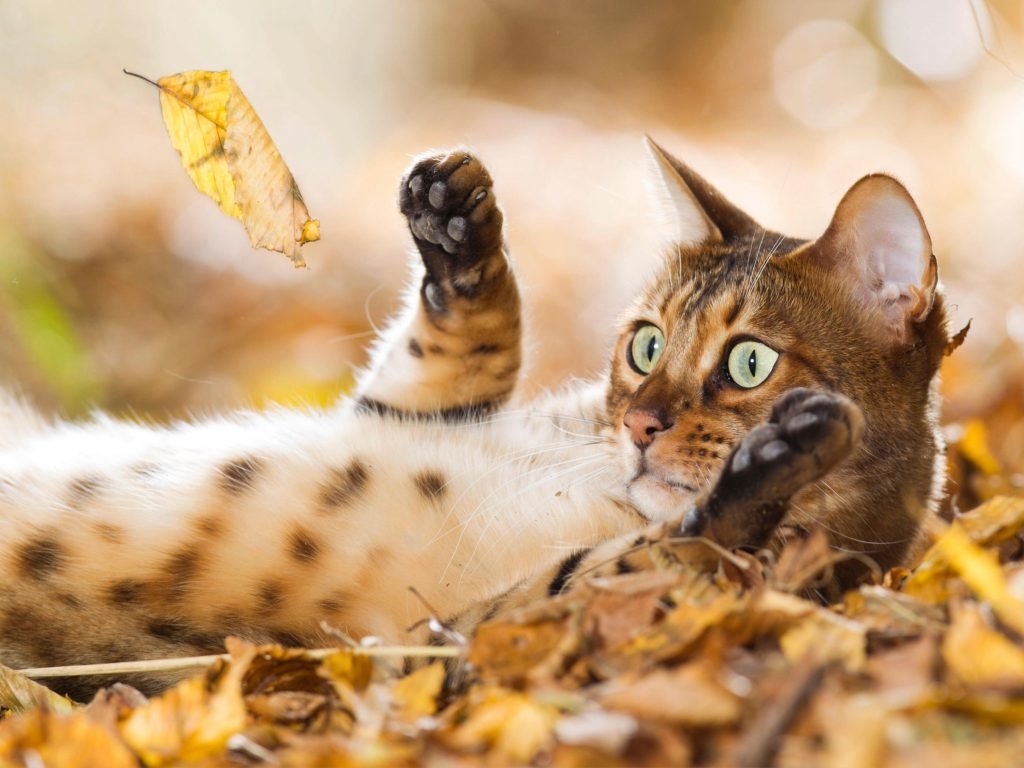
Have you ever wondered about cats that look unlike any you’ve seen before? If you think all cats look the same, think again.
There are unusual cat breeds with striking features and unique personalities that might surprise you. Whether you’re a cat lover or just curious, discovering these rare breeds can change the way you see your furry friends. Keep reading, and you’ll find out which unusual cats could steal your heart—and maybe even inspire you to bring one into your home.
Rare Cat Breeds
Rare cat breeds captivate many with their unique looks and traits. These cats are not easy to find. Their rarity makes them special to cat lovers worldwide.
Many rare breeds have unusual features or origins. Some come from remote places. Others have interesting histories or distinct appearances.
Savannah Cat
The Savannah cat is a mix of a domestic cat and a wild serval. It has long legs and large ears. Its spotted coat looks wild and exotic. These cats are very active and curious.
Khao Manee
Khao Manee is a rare breed from Thailand. It has pure white fur and striking eyes. Some have blue, gold, or even odd-colored eyes. These cats are loving and gentle companions.
Peterbald
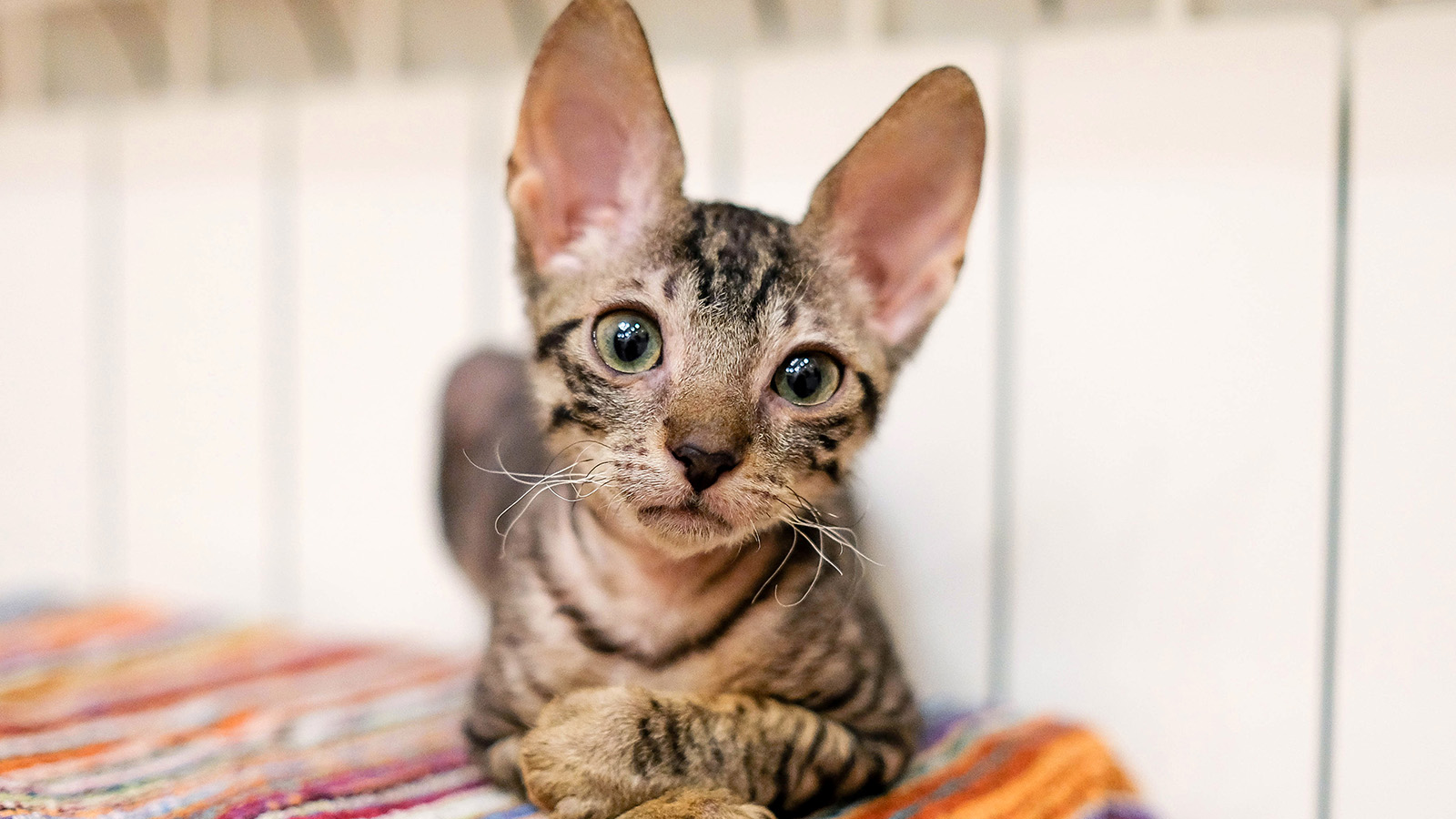
Peterbald cats come from Russia. They have slender bodies and can be hairless or have very short coats. Their appearance is sleek and unusual. They enjoy being close to their owners.
Kurilian Bobtail
The Kurilian Bobtail is known for its short, bobbed tail. It comes from Russia and Japan. These cats are strong and good hunters. They have thick fur to handle cold weather.
American Wirehair
American Wirehair has a unique curly coat. This breed is rare and found mainly in the United States. Their soft, springy fur stands out from other cats. They are friendly and playful pets.
Unique Features Of Rare Cats
Rare cat breeds captivate with features not seen in common pets. Their unique traits make them stand out in any crowd. These cats often show unusual fur, eye colors, and body shapes. Such distinct characteristics fascinate cat lovers and collectors alike.
Distinctive Fur Patterns
Rare cats often have fur patterns that break the usual mold. Some display marbled coats with swirling lines. Others have spotted designs resembling wild cats. Unique color blends like lavender or chocolate add charm. These patterns make each cat visually striking and memorable.
Uncommon Eye Colors
Eye colors in rare cats can be quite surprising. Shades like deep gold or bright green are common. Some cats have odd-colored eyes, known as heterochromia. This means each eye shows a different color. Such eye colors give these cats a mysterious, magical look.
Special Body Shapes
Body shapes of rare cats differ from typical breeds. Some have slender, elongated bodies like the Oriental Shorthair. Others show muscular builds with broad chests and short legs. Certain breeds feature tufted ears or extra toes. These body traits add to their exotic appeal.
Origins Of Unusual Breeds
The origins of unusual cat breeds often trace back to unique places and fascinating stories. These cats come from different parts of the world. Each breed has its own history that shapes its look and behavior.
Many unusual breeds stand out because of where they come from. Their geographic roots explain their special features and traits. The environment, climate, and local culture influence these cats over time.
Geographic Roots
Unusual cat breeds often develop in remote or specific regions. Some come from islands, while others come from cold or tropical areas. The environment affects their size, fur type, and colors.
- The Turkish Van comes from the Lake Van area in Turkey. It has a unique love for water.
- The Sokoke cat is native to the Sokoke Forest in Kenya. It has a spotted coat perfect for hiding in trees.
- The Kurilian Bobtail lives on Russian islands. It has a short, bobbed tail and strong hunting skills.
Geography shapes these cats physically and behaviorally. Their origins give clues about their needs and care.
Historical Backgrounds
Many unusual cat breeds have rich histories. Some are linked to ancient legends or royal families. Others come from natural mutations or crossbreeding efforts.
- The Maine Coon’s history ties to early American settlers. It is known as the gentle giant.
- The LaPerm breed began with a spontaneous curly coat mutation in the 1980s.
- The Egyptian Mau is said to descend from cats worshiped in ancient Egypt.
These stories add charm and mystery to unusual breeds. They help explain why people value these cats so much today.

Credit: www.youtube.com
Personality Traits
Unusual cat breeds often surprise with their unique personality traits. These cats show diverse temperaments that can fit different lifestyles. Their behavior can be quite different from common breeds, making them fascinating pets. Understanding these traits helps owners bond deeply with their feline friends.
Temperament Differences
Each unusual cat breed carries distinct temperament traits. Some are very social and love human company. Others prefer quiet and solitude, enjoying calm environments. Many unusual breeds are playful, staying active well into adulthood. Some show strong loyalty and follow their owners everywhere. These temperament differences make each cat special and interesting.
Behavioral Quirks
Unusual cat breeds often have unique behavioral quirks. Some may chirp or talk more than typical cats. Others enjoy water and may play in sinks or bathtubs. A few breeds are known for their love of climbing and exploring high places. Some unusual cats form strong bonds with one person only. These quirks add charm and character to their personalities.
Care Tips For Rare Cats
Rare cat breeds need special care to stay happy and healthy. Their unique traits often require different attention than common cats. Understanding their needs helps provide the best environment and care.
Dietary Needs
Rare cats may have unique dietary needs based on their breed. High protein is often important for active or muscular breeds. Avoid foods with fillers that offer little nutrition. Some breeds need special diets to support sensitive stomachs or allergies. Always choose quality cat food made for their age and health status. Fresh water must be available at all times.
Grooming Challenges
Grooming rare cats can be tricky due to unusual coat types. Some have curly, long, or very fine hair that mats easily. Regular brushing prevents tangles and skin problems. Bathing may be needed more often for oily or dense coats. Pay attention to nail trimming and ear cleaning. Grooming helps keep cats comfortable and reduces shedding around the house.
Health Considerations
Rare cat breeds may face specific health issues tied to genetics. Regular vet check-ups help catch problems early. Watch for signs of respiratory issues, heart problems, or joint pain common in some breeds. Vaccinations and parasite control must be up-to-date. Maintaining a stress-free environment supports their immune system and overall well-being.

Credit: www.reddit.com
Where To Find Rare Breeds
Finding rare cat breeds takes patience and a bit of detective work. These unique felines aren’t usually waiting for you at your local shelter. You need to know where to look and how to connect with the right people who understand the special care these cats require.
Breeders And Rescues
Specialized breeders are often the first place to check for unusual cat breeds. They dedicate time to preserving distinct traits and healthy genetics. However, it’s important to find breeders who prioritize the cat’s welfare over profit.
Rescue groups also sometimes have rare breeds or mixes looking for homes. These rescues focus on specific breeds or unusual cats that need a second chance. Connecting with breed-specific rescue organizations can open doors you didn’t know existed.
- Join online forums and social media groups related to rare cat breeds.
- Attend cat shows where breeders display their cats and share knowledge.
- Contact national or regional breed clubs for recommendations.
Adoption Tips
Adopting a rare breed means understanding its unique needs. Ask plenty of questions about health, temperament, and care requirements before committing. This helps avoid surprises and ensures you’re ready to provide a happy home.
Be patient and persistent. Sometimes, a rare breed cat might not appear right away. Staying connected with breeders and rescue groups means you’ll hear about available cats sooner.
Think about what fits your lifestyle best. Is the cat’s activity level and grooming needs something you can handle? Your honest assessment benefits both you and your future feline friend.
Famous Rare Cats In Pop Culture
Rare cat breeds have captured the hearts of many in movies, TV shows, and books. These unique felines often stand out with their striking looks and unusual features. Their appearances in pop culture bring attention to breeds not commonly seen in everyday life. Fans admire their charm and mystery, sparking interest in learning about these unusual cats.
These famous rare cats add depth and character to stories. They often symbolize elegance, mystery, or magic. Their distinct traits make them memorable and beloved by audiences worldwide.
Cheshire Cat: The Mysterious Feline Of Wonderland
The Cheshire Cat is a rare and magical character from “Alice in Wonderland.” Its wide grin and ability to disappear make it unforgettable. This cat’s whimsical presence highlights the charm of unusual feline traits.
Mr. Bigglesworth: The Sphinx Cat In Austin Powers
Mr. Bigglesworth is the hairless Sphinx cat from the Austin Powers movies. His bald skin and expressive face make him a unique and funny sidekick. This cat showcases the appeal of rare breeds in pop culture.
Jonesy: The Brave Norwegian Forest Cat In Alien
Jonesy is the cat that survived the Alien movie’s terrifying events. This Norwegian Forest cat’s fluffy coat and calm demeanor made him a fan favorite. He represents the strength and resilience of rare cat breeds.
Salem Saberhagen: The Talking Black Cat From Sabrina
Salem is a black cat with a witty personality in “Sabrina the Teenage Witch.” His magical background and sharp humor make him a standout character. Salem’s rare charm adds magic and fun to the story.
Jiji: The Stylish Black Cat In Kiki’s Delivery Service
Jiji is a sleek black cat who helps a young witch in this beloved anime. His cleverness and loyalty make him a memorable companion. Jiji’s rare breed traits add personality and depth to the film.
Credit: animals.howstuffworks.com
Frequently Asked Questions
What Are Some Unusual Cat Breeds?
Unusual cat breeds include the Lykoi, Munchkin, and Peterbald. These breeds stand out due to their unique appearances and characteristics. The Lykoi resembles a werewolf, the Munchkin is known for its short legs, and the Peterbald has a hairless or velvety coat.
Why Are Lykoi Cats Called Werewolf Cats?
Lykoi cats are called werewolf cats due to their unique appearance. They have a sparse, patchy coat that resembles a wolf’s. This breed has a wild look, but they are affectionate and playful. Their striking appearance has made them a favorite among cat enthusiasts.
How Do Munchkin Cats Differ From Other Breeds?
Munchkin cats are known for their short legs, a result of a genetic mutation. Despite their stature, they are agile and playful. They possess a friendly personality and adapt well to various environments, making them excellent companions for families and individuals alike.
Are Peterbald Cats Hairless Like Sphynx Cats?
Peterbald cats can be hairless or have a velvety coat. Unlike the Sphynx, which is fully hairless, Peterbalds may have varying degrees of hair. They are known for their affectionate nature and intelligence, making them a popular choice for those seeking a unique pet.
Conclusion
Unusual cat breeds bring joy and surprise to many homes. Each breed has its own charm and story. They show how diverse and special cats can be. Choosing one means adding a unique friend to your life. These cats need care, love, and attention like any pet.
Exploring their traits helps you understand them better. Enjoy the wonder of these rare feline companions every day. They make great pets for those who love something different. Keep learning about them to give the best care possible.
