

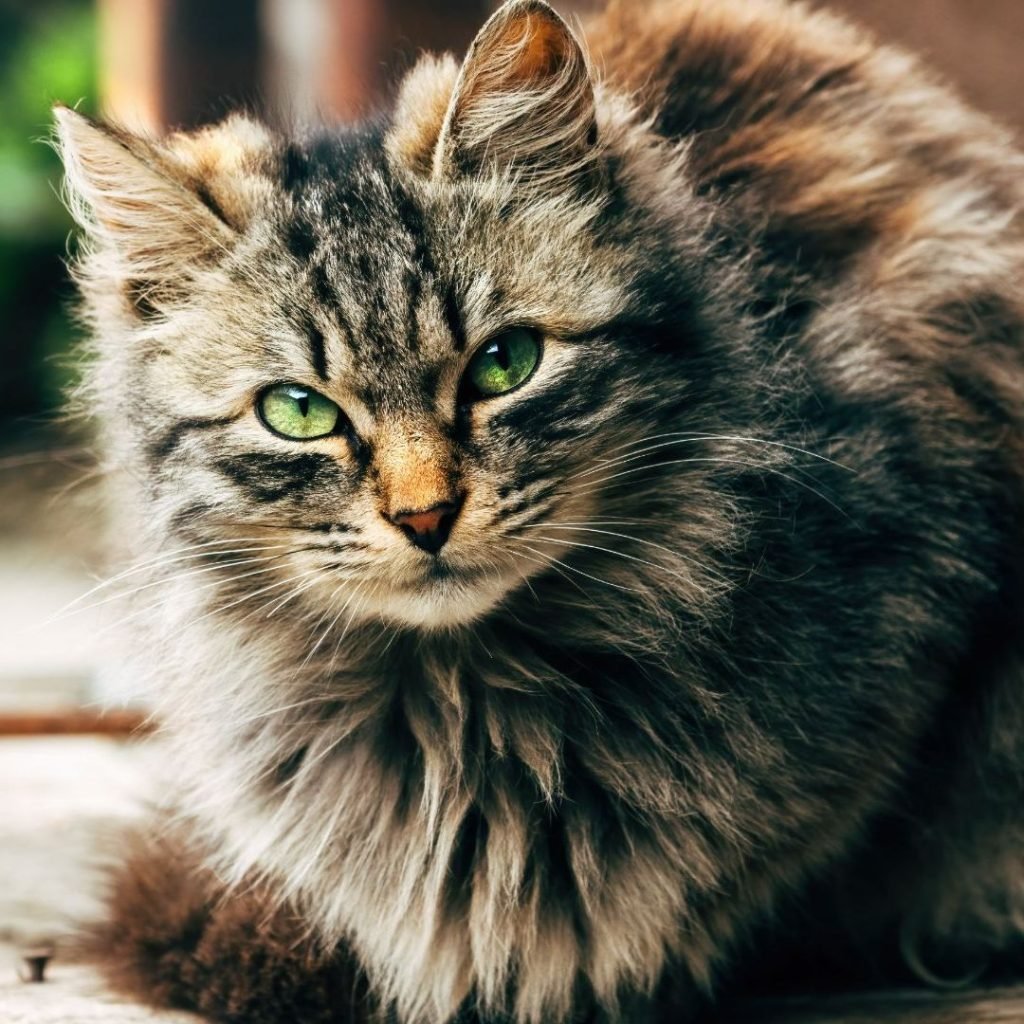
Are you enchanted by the elegance and grace of long-haired domestic cats? These fluffy companions not only steal hearts with their luxurious coats but also captivate with their charming personalities.
If you’ve ever found yourself dreaming of a feline friend with a mane as majestic as a lion’s, you’re in the right place. Imagine the joy of petting a silky, flowing fur and the satisfying purrs that follow. You’ll discover the most popular long hair domestic cat breeds, each with its unique characteristics and quirks.
Whether you’re looking to adopt or just curious, you’ll find everything you need to know right here. Dive in, and let’s unravel the beauty and allure of these magnificent creatures together.
Popular Long Hair Cat Breeds
Long hair domestic cats have a unique charm. Their luxurious fur and gentle personalities attract many cat lovers. Some breeds stand out for their beauty and friendly nature. Here are some popular long hair cat breeds that many adore.
Maine Coon
Maine Coons are large cats with thick, water-resistant fur. They have tufted ears and bushy tails. Known as gentle giants, they are friendly and playful. Maine Coons adapt well to families and other pets.
Persian
Persians have a round face and large eyes. Their long, silky coat requires regular grooming. They are calm and prefer quiet environments. Persians enjoy being pampered and are very affectionate.
Ragdoll
Ragdolls are known for their striking blue eyes and soft coats. They often go limp when held, earning their name. These cats are very relaxed and love human company. Ragdolls fit well in homes with children.
Siberian
Siberians have a dense triple coat that protects them from cold. They are agile and strong, with a friendly temperament. Siberians enjoy playing and interacting with their owners. They are also hypoallergenic for some people.
Birman
Birmans have a silky coat with contrasting white paws. Their eyes are deep blue and very expressive. Birmans are social and gentle cats. They bond closely with their families and love attention.

Credit: www.aol.com
Coat Characteristics
Long hair domestic cat breeds have coats that are more than just a beauty feature—they require your attention and care to keep them healthy and stunning. Understanding their coat characteristics helps you provide the right grooming and environment. Let’s look closely at what makes these coats unique and how they can affect your daily routine with your feline friend.
Fur Texture And Length
The fur of long-haired cats varies widely between breeds. Some have silky, fine strands that feel like soft velvet, while others sport denser, woollier hair that offers extra warmth.
Length can range from just a couple of inches to several inches long, creating that iconic fluffy appearance. You might notice how breeds like the Maine Coon have a thick undercoat, while Persians have a more uniform silkiness throughout.
How does your cat’s coat feel? Paying attention to texture can guide your grooming tools choice—soft brushes for fine fur, and sturdier combs for denser coats.
Color Patterns
Long-haired cats display a stunning variety of color patterns. From solid colors like black, white, and gray to more complex patterns such as tabby, calico, and tortoiseshell, each coat tells a story.
Some breeds, like the Himalayan, feature striking color points on their ears, face, paws, and tail, contrasting with a lighter body color. These patterns don’t just add visual appeal—they can indicate breed lineage and sometimes temperament traits.
Notice any unique markings on your cat? These patterns can help you identify your cat’s breed or mix and deepen your bond by learning their background.
Seasonal Shedding
Shedding is a fact of life for long-haired cats, but the amount and timing can vary. Many experience heavier shedding in spring and fall as they adjust their coats for changing temperatures.
Regular grooming during these periods can reduce hairballs and keep your home cleaner. You might be surprised how a simple daily brush can cut down shedding significantly and keep your cat comfortable.
Have you tracked your cat’s shedding patterns? Understanding when they shed most helps you prepare with the right tools and routines to maintain their coat health.
Grooming Needs
Long-haired domestic cats need regular grooming to stay healthy and comfortable. Their thick fur can trap dirt and shed a lot. Proper care helps prevent skin problems and keeps their coat shiny. Grooming also reduces hairballs and matting, which can be painful for cats.
Understanding the right grooming steps makes the process easier for both you and your cat. Use gentle tools and be patient. This builds trust and makes grooming a positive experience.
Brushing Techniques
Brush your cat’s fur daily to remove loose hair and dirt. Use a wide-toothed comb to detangle knots gently. Follow with a soft bristle brush for a smooth finish. Brush in the direction of hair growth. Pay close attention to areas like behind ears and under legs. These spots collect more debris and mats.
Bathing Tips
Bathing is not needed often but helps with very dirty fur. Use lukewarm water and cat-safe shampoo only. Wet the fur slowly, avoiding the eyes and ears. Massage shampoo gently into the coat, then rinse well. Dry your cat with a towel or low heat from a hairdryer. Make sure the cat stays warm until fully dry.
Preventing Matting
Mats form when fur tangles tightly and sticks to the skin. Check your cat’s coat regularly for small knots. Break up mats carefully with your fingers or a dematting comb. Avoid pulling hard to prevent pain. Keep fur trimmed in problem areas if needed. Regular brushing reduces the chance of mats forming.

Credit: www.oakleighcentralvet.com.au
Temperament And Personality
Long hair domestic cat breeds offer a unique blend of beauty and personality that can enrich your home life. Understanding their temperament helps you decide if one fits your lifestyle. These cats often surprise owners with their varied social habits and energy levels.
Social Behavior
Long-haired cats can be quite social, often seeking companionship from their human family members. Many enjoy interactive play and will follow you around the house, eager to be part of your daily routine.
Some breeds, like the Maine Coon, are known for their friendly and outgoing nature. Others might be a bit more reserved but still appreciate gentle attention and affection.
Think about how much social interaction you can provide. Would your cat thrive being the center of attention, or do they prefer quiet moments alone?
Activity Levels
These cats often have moderate activity levels, balancing playful bursts with plenty of rest. You might find your long-haired feline chasing toys one moment and lounging in a sunny spot the next.
Breeds like the Norwegian Forest Cat tend to be adventurous and enjoy climbing and exploring, so providing vertical space can keep them engaged.
Consider your own activity level and how much stimulation you can offer daily. Can you keep up with a lively cat or would a calm companion suit you better?
Compatibility With Families
Long-haired cats generally adapt well to family life, including homes with children and other pets. Their patient and gentle demeanor can make them excellent playmates and snugglers.
However, some cats may be sensitive to rough handling or noisy environments, so teaching children how to interact respectfully is key.
Ask yourself: does your family have the time and care skills to nurture a long-haired cat’s needs? Their grooming and emotional care require commitment but often reward you with deep affection.
Health Considerations
Long hair domestic cat breeds bring beauty and charm to any home, but they also come with unique health needs you should be aware of. Their thick coats and genetic backgrounds can influence their well-being in ways that require special attention. Understanding these health considerations helps you provide the best care and avoid common pitfalls.
Common Genetic Issues
Long hair cats can be prone to specific genetic problems depending on their breed. For instance, Persian cats often face respiratory difficulties due to their flat faces, while Maine Coons may be susceptible to hypertrophic cardiomyopathy, a heart condition.
Are you aware of your cat’s breed-specific health risks? Knowing these can guide you in monitoring symptoms early and seeking prompt treatment. Genetic testing is an option many owners overlook but can provide peace of mind and important health insights.
Diet And Nutrition
Your long-haired cat’s diet plays a crucial role in maintaining a healthy coat and overall vitality. Foods rich in omega-3 and omega-6 fatty acids help reduce shedding and prevent skin dryness.
Consider adding wet food or supplements that support hydration—long hair can trap dirt and oils that dry skin worsens. Have you noticed any changes in your cat’s grooming habits? Sometimes, poor nutrition shows up in coat quality first.
Regular Vet Care
Routine veterinary visits are key to catching health issues before they escalate. Long hair can hide lumps, wounds, or infections, so professional check-ups ensure nothing goes unnoticed.
Vaccinations, dental care, and parasite prevention are all part of keeping your cat healthy. When was the last time your vet examined your cat’s skin and coat in detail? This simple step can save you from bigger problems later.
Choosing The Right Long Hair Cat
Choosing the right long hair cat takes careful thought. These cats need special care and attention. Each breed has unique needs and traits. Consider your lifestyle and home before bringing one in.
Living Space Suitability
Long hair cats often enjoy room to explore. Small apartments can work if you provide toys and climbing spots. These cats like quiet areas for rest. Grooming space is important due to their thick fur. A clean, calm environment helps keep them happy.
Allergy Concerns
Long hair cats shed more fur and dander. This can trigger allergies in some people. Regular grooming reduces loose hair and allergens. Choose breeds known for lower allergen levels if allergies are a concern. Always spend time with a cat before deciding.
Adoption Vs. Breeders
Adopting gives a home to a cat in need. Many long hair cats wait in shelters for families. Breeders offer specific breeds and pedigrees. Check breeder reputations carefully to avoid unethical practices. Both options can lead to loving pets.

Credit: www.moneycontrol.com
Frequently Asked Questions
What Are The Most Popular Long Hair Domestic Cat Breeds?
Popular long hair domestic cat breeds include the Maine Coon, Persian, Ragdoll, and Norwegian Forest Cat. These breeds are known for their luxurious, thick coats and gentle personalities, making them ideal pets for families and cat lovers.
How Do I Care For Long Hair Domestic Cats?
Long hair cats require regular grooming to prevent matting and tangles. Brush their fur daily and check for debris. Also, maintain a clean litter box and provide a balanced diet to keep their coat healthy and shiny.
Are Long Hair Cats Hypoallergenic?
Long hair cats are not hypoallergenic. Their thick fur traps more allergens like dander and saliva proteins. People with allergies may experience stronger reactions around these breeds compared to short-haired cats.
Do Long Hair Cats Shed More Than Short Hair Cats?
Yes, long hair cats shed more due to their dense, thick coats. Shedding increases during seasonal changes. Regular grooming helps manage shedding and keeps your home cleaner.
Conclusion
Long-haired domestic cats bring beauty and charm to any home. They need regular grooming to stay healthy and happy. These breeds often have gentle and loving personalities. Choosing the right breed depends on your lifestyle and care ability. Enjoy the soft fur and playful nature of these cats.
A long-haired cat can make a wonderful companion. Caring for them well creates a strong, lasting bond. Consider their needs before bringing one home. Love and patience make all the difference with long-haired cats.
