

Are you a cat lover curious about the unique feline friends from Japan? Japanese cat breeds bring a distinct charm and personality that might just capture your heart.
From their playful antics to their mesmerizing looks, these breeds offer something special for every cat enthusiast. Imagine having a pet that’s not only a loving companion but also a living piece of Japanese culture. Intrigued? Keep reading to discover the fascinating world of Japanese cat breeds and find out which one might be the perfect fit for your home.
Credit: www.purina.com
Popular Japanese Cat Breeds
Japanese cat breeds have a special charm and rich history. They show unique looks and playful behavior. These breeds are loved by many cat fans worldwide. Their traits reflect Japan’s culture and nature. Let’s explore some popular Japanese cat breeds.
Japanese Bobtail
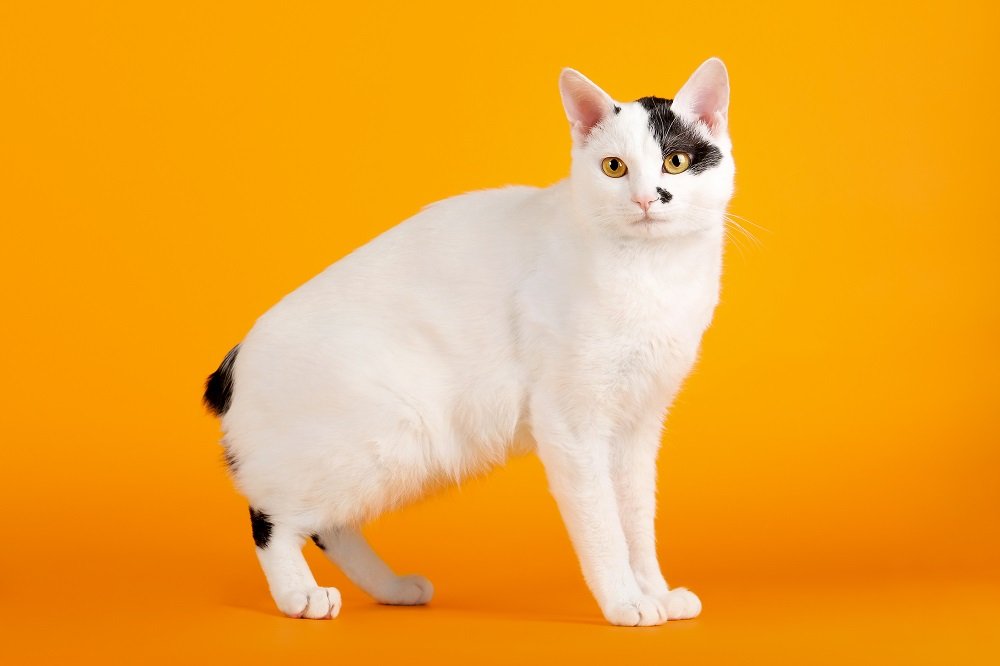
The Japanese Bobtail has a short, kinked tail like a bunny’s. It is a symbol of good luck in Japan. This breed is active, friendly, and loves to play. Their coat can be many colors, with the “Mi-ke” tricolor pattern being most famous. They enjoy human company and are very social.
Kurilian Bobtail
The Kurilian Bobtail comes from the Kuril Islands near Japan. It has a short, pom-pom tail and strong, muscular body. This breed is smart, curious, and very good at hunting. Their fur is dense and water-resistant. They adapt well to different homes and climates.
Kuri Cat
The Kuri Cat is a rare Japanese breed with a soft, fluffy coat. It has a calm and gentle personality. This breed loves quiet spaces and peaceful environments. Their round face and big eyes make them look very sweet. They bond closely with their owners and enjoy calm affection.

Credit: www.hindustantimes.com
Distinctive Features
Japanese cat breeds stand out not just for their grace but for unique physical traits that capture attention instantly. These features reflect centuries of natural selection and cultural appreciation, making each breed a living piece of Japan’s heritage. Understanding these distinctive traits can deepen your appreciation and help you spot a Japanese breed in any crowd.
Tail Shapes And Sizes
One of the most fascinating traits of Japanese cats is their tail. The Japanese Bobtailis famous for its short, pom-pom-like tail, which looks like a fluffy bunny tail. This tail isn’t just cute; it’s a breed standard and symbolizes good luck in Japanese culture.
On the other hand, some Japanese breeds like the Kurilian Bobtailsport a tail with multiple kinks or a slightly longer bobtail. It’s interesting how tail shape can tell you about a cat’s origin and breed history.
Coat Patterns And Colors
Japanese cats showcase a variety of coat patterns and colors that stand out sharply. The Japanese Bobtailoften features a striking “mi-ke” (calico) pattern, combining white, black, and orange in a balanced and eye-catching way.
Other breeds like the Kurilian Bobtaildisplay tabby stripes or solid colors, but what’s common is the glossy, well-maintained coat that reflects their robust health. Have you noticed how certain color patterns seem to bring out the personality of a cat?
Eye Shapes And Colors
Eye shape and color in Japanese cats offer a window into their soul and breed identity. The Japanese Bobtailtypically has large, almond-shaped eyes that shine with curiosity and intelligence.
Eye colors range from deep gold to green, sometimes even odd-eyed (two different colored eyes), which adds to their mystical aura. When you look into their eyes, it’s almost like they’re inviting you to learn their story.
Temperament And Personality
Japanese cat breeds offer a unique blend of temperament and personality that can add charm and joy to your home. Understanding their behavioral traits helps you build a stronger bond and meet their needs effectively. You might be surprised at how these cats balance playfulness with affection, creating an engaging companion.
Playful Traits
Many Japanese cat breeds are naturally curious and energetic. They enjoy interactive toys and games that challenge their intelligence and agility.
For example, the Japanese Bobtail loves to chase balls and pounce on feather wands, keeping you entertained and active. Their playful nature often continues well into adulthood, making them lively pets that respond well to regular engagement.
Affection Levels
These cats can be surprisingly affectionate without being overly demanding. They often seek attention on their own terms, offering gentle headbutts or purring softly when content.
Consider the Kuri, known for its warm yet independent personality. It gives affection but also appreciates personal space, teaching you to read subtle cues about when to cuddle and when to give them room.
Social Behavior
Japanese cats tend to be social but not overly clingy. They often adapt well to other pets and family members if introduced properly.
You might notice your cat observing new guests from a distance before deciding to approach. This thoughtful social behavior means they appreciate a calm, respectful environment where they can choose when to interact.
Care And Maintenance
Taking care of Japanese cat breeds means understanding their unique needs and daily habits. These cats often have distinct characteristics that affect how you groom them, what you feed them, and how you keep them healthy. Paying close attention to these areas ensures your feline friend stays happy and energetic.
Grooming Needs
Japanese cat breeds like the Japanese Bobtail usually have short coats that are easy to maintain. Regular brushing once or twice a week helps remove loose fur and reduces hairballs. However, if you own a longer-haired breed such as the Kurilian Bobtail, daily grooming might be necessary to prevent mats and tangles.
Don’t forget to check their ears and teeth regularly. Clean ears prevent infections, and dental care reduces the risk of gum disease. You might find that grooming sessions become a bonding time, making your cat more comfortable with handling.
Dietary Preferences
Japanese cats often enjoy a balanced diet rich in protein, reflecting their active and playful nature. Feeding high-quality wet or dry food formulated for their specific life stage keeps them in top shape. Have you noticed your cat prefers certain flavors or textures? Paying attention to these preferences can make mealtime more enjoyable for both of you.
Avoid overfeeding to prevent weight gain, which can lead to health problems. Fresh water should always be available, especially for cats that prefer dry food. Adding occasional treats like small pieces of cooked fish can satisfy their natural taste for seafood, a common favorite among Japanese breeds.
Health Considerations
Japanese cat breeds generally have strong health, but some like the Japanese Bobtail may be prone to certain genetic conditions. Regular vet check-ups help catch issues early and keep vaccinations up to date. Are you monitoring your cat’s behavior for signs of discomfort or illness? Early detection can save you stress and your cat pain.
Exercise plays a crucial role in preventing obesity and supporting mental health. Toys that stimulate hunting instincts and playtime sessions keep your cat active. Remember, a healthy cat is a happy cat, so staying proactive with their care makes all the difference.
Cultural Significance
Cats hold a special place in Japanese culture. They are more than just pets; they carry deep meanings and traditions. The cultural significance of Japanese cat breeds is seen in stories, symbols, and art. These elements show how cats influence daily life and beliefs in Japan.
Role In Japanese Folklore
Cats appear often in Japanese folklore. They are sometimes seen as mysterious creatures with magical powers. Stories tell of cats that can shape-shift or protect homes from evil spirits. These tales highlight cats as both protectors and symbols of good fortune.
Maneki-neko And Symbolism
The Maneki-neko, or “beckoning cat,” is a famous symbol in Japan. It is believed to bring luck and wealth. You see it in shops, restaurants, and homes. The raised paw invites good fortune and customers. Each color and pose has a special meaning in this tradition.
Cats In Japanese Art
Japanese art often features cats in paintings and prints. They are shown in peaceful scenes or playful poses. Artists use cats to express calmness and elegance. These artworks reflect how cats inspire beauty and serenity in Japanese culture.

Credit: www.wikiwand.com
Adoption Tips
Adopting a Japanese cat breed can be a rewarding experience, but it requires thoughtful preparation and informed decisions. Each breed has unique traits that may or may not fit your lifestyle. Understanding where to find these cats, how to pick the right one, and what to prepare before bringing them home makes the process smoother for both you and your new feline friend.
Where To Find Japanese Cats
Japanese cat breeds, such as the Japanese Bobtail, are not always easy to find in regular shelters or pet stores. Specialized breeders, cat clubs, and rescue organizations focusing on rare or specific breeds are your best bet.
Online cat forums and social media groups dedicated to Japanese cat breeds often share adoption opportunities. Visiting cat shows or contacting breed-specific rescue groups can lead you to a healthy, well-socialized cat.
Choosing The Right Breed
Each Japanese breed has distinct characteristics. For example, the Japanese Bobtail is playful and social, while the Kurilian Bobtail tends to be more independent but equally affectionate.
Ask yourself what kind of personality fits your home environment. Do you want an active companion or a calm lap cat? Knowing your daily routine and energy level can help you match with the right breed.
Preparing Your Home
Before your Japanese cat arrives, create a safe and welcoming space. Japanese breeds often enjoy interactive toys and climbing areas, so consider adding cat trees or shelves.
Set up a quiet spot with a cozy bed and keep essentials like food, water, and litter boxes in easily accessible but low-traffic areas. Remember, your new cat will need time to adjust, so patience and a calm atmosphere are key.
Frequently Asked Questions
What Are The Most Popular Japanese Cat Breeds?
Popular Japanese cat breeds include the Japanese Bobtail and Kurilian Bobtail. These cats are known for their unique tail shapes and playful nature. They are often featured in Japanese culture and folklore, making them beloved pets worldwide.
How Do Japanese Bobtail Cats Differ From Others?
Japanese Bobtails have a distinct short, “pom-pom” tail. They are highly active, intelligent, and affectionate. Their coat can be short or long, often with striking color patterns like the “Mi-ke” calico.
Are Japanese Cat Breeds Good For Families?
Yes, Japanese cat breeds are typically friendly and sociable. They adapt well to family life and enjoy interaction with children. Their playful and gentle temperament makes them excellent companions in a household.
What Is The Origin Of Japanese Cat Breeds?
Japanese cat breeds originated in Japan and surrounding regions. They have been bred for centuries, often symbolizing good luck. Their unique physical traits evolved through natural selection and cultural preferences.
Conclusion
Japanese cat breeds offer unique looks and gentle personalities. They fit well in many homes and bring quiet joy. These cats are known for their beauty and calm nature. Choosing one means adding a peaceful friend to your life. Each breed has special traits that make it stand out.
They show the charm of Japan’s culture and care for animals. Consider these cats if you want a calm, loving pet. They bring calm and happiness with their soft purrs and playful ways. A Japanese cat can brighten your days simply and sweetly.
