

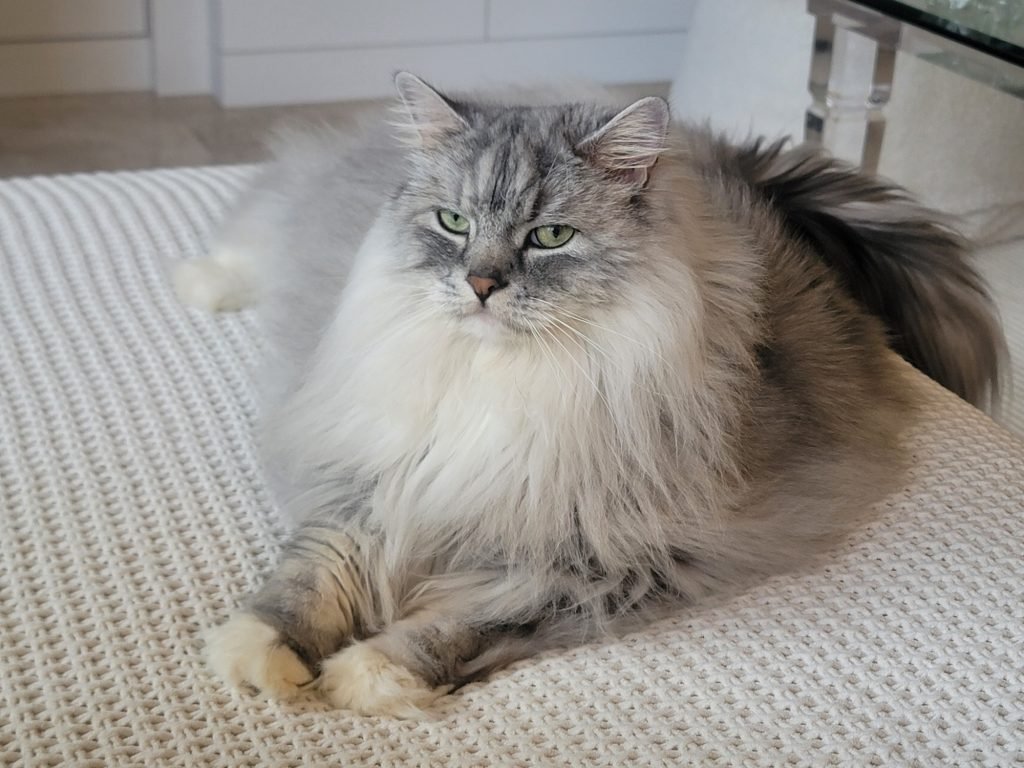
Imagine a cat that combines the grace and agility of a wild feline with the warmth and affection of a beloved pet. Large domestic house cat breeds offer just that: a unique blend of size, beauty, and personality that can transform your home into a cozy haven.
Are you ready to discover the gentle giants of the cat world that might just be the perfect fit for your family? These majestic creatures not only capture attention with their striking appearances but also melt hearts with their loving nature.
As you read on, you’ll find out which breed might be your ideal furry companion, and why they could be the best addition to your home. Let’s dive into the world of these captivating cats and see which one might just win over your heart.

Credit: www.yahoo.com
Giant Cat Breeds At A Glance
Giant domestic cat breeds capture attention with their impressive size and gentle personalities. These cats often surprise owners with their mix of strength and affection. Knowing the basics about these breeds helps you decide if one fits your home and lifestyle.
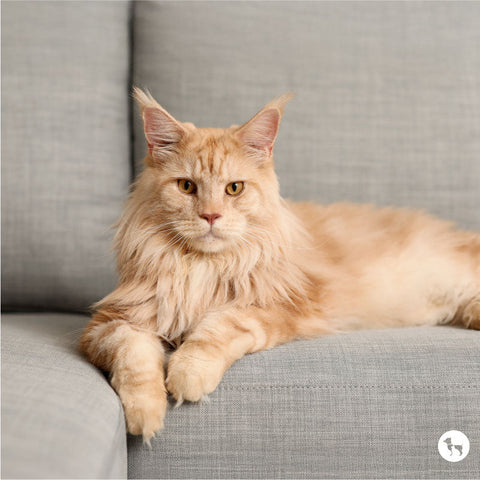
Maine Coon: The Gentle GiantThe Maine Coon is one of the largest and most popular giant cat breeds. They can weigh between 13 and 18 pounds, sometimes more. What’s fascinating is their friendly nature—they often act like dogs, following you around and playing fetch.
Do you have space for an active, playful cat that loves attention? Maine Coons thrive in homes where they get plenty of interaction and room to roam.
Siberian Cat: The Muscular ClimberSiberians are robust cats with powerful muscles and a thick triple coat. Their size can reach up to 17 pounds, making them quite a presence in any household. They enjoy climbing and exploring, so vertical spaces like cat trees are a must.
If you want a big cat that’s also agile and loves adventure, the Siberian might be your ideal companion. Have you prepared your home for a curious climber?
Ragdoll: The Large, Laid-back Lap CatRagdolls are known for their large size and calm temperament. They often weigh 15 to 20 pounds, making them one of the heaviest domestic cats. Their name comes from their tendency to go limp when picked up, showcasing their relaxed nature.
Are you looking for a big cat that enjoys cuddling more than zoomies? Ragdolls are perfect for those who want a gentle giant to lounge with.
Norwegian Forest Cat: The Hardy GiantWith a sturdy build and thick fur, Norwegian Forest Cats are built for cold climates. They typically weigh between 12 and 16 pounds. Their independent but affectionate personality suits owners who appreciate a mix of companionship and independence.
Do you want a large cat that can handle outdoor adventures and still be a loving indoor companion?
Credit: headsupfortails.com
Maine Coon: The Gentle Giant
The Maine Coon is often called the gentle giant of the cat world. This breed stands out for its large size and calm nature. Known for being friendly, Maine Coons fit well in many homes. Their unique look and soft personality make them a favorite among cat lovers.
Size And Appearance
Maine Coons are one of the largest domestic cat breeds. Males usually weigh between 13 and 18 pounds. Females are a bit smaller, around 8 to 12 pounds. Their bodies are long and muscular, with broad chests. They have large, tufted ears and big, expressive eyes. Their thick fur helps them stay warm in cold weather. The coat comes in many colors and patterns. Their bushy tail is long and often carried high.
Personality Traits
These cats are known for their sweet and gentle nature. Maine Coons are very social and enjoy being around people. They often follow their owners from room to room. Playful but not overly active, they like interactive toys. They get along well with children and other pets. Maine Coons are also quite intelligent and curious. Their soft voice and slow blink show affection clearly.
Care And Grooming Needs
The Maine Coon’s thick fur needs regular care. Brushing two to three times a week prevents mats and tangles. They shed seasonally, so extra brushing helps during those times. Their ears and eyes need occasional cleaning. Nail trimming every few weeks keeps them comfortable. Maine Coons enjoy a balanced diet to support their large size. Fresh water should always be available. Regular vet check-ups keep them healthy and happy.
Norwegian Forest Cat: Nordic Beauty
The Norwegian Forest Cat, often called the Nordic Beauty, is a majestic and sturdy breed. Originating from Norway, this cat is built to endure cold climates. Its thick fur and strong body make it perfect for snowy environments. This breed combines elegance with a wild look, captivating many cat lovers worldwide.
Physical Characteristics
- Large and muscular body with a broad chest
- Long, thick double coat that repels water
- Tufted ears and bushy tail for warmth
- Almond-shaped eyes, often green, gold, or copper
- Strong legs with large paws to walk on snow
Temperament
Norwegian Forest Cats are gentle and friendly. They enjoy being around people but are not overly demanding. This breed is playful and curious, loving to explore new surroundings. They get along well with children and other pets. These cats are also known for their quiet and calm nature.
Living Environment
They adapt well to both indoor and outdoor living. A safe outdoor space with trees suits their climbing instincts. Indoors, they need room to roam and climb. Regular grooming is essential to maintain their thick coat. This breed thrives in homes where they get attention and mental stimulation.
Savannah Cat: Exotic And Large
The Savannah cat stands out as one of the most exotic and large domestic cat breeds you can own. Its wild appearance and impressive size make it a favorite for those who want a pet that’s both striking and full of personality. But owning a Savannah cat means understanding its unique background, physical traits, and energy needs.
Breed Origins
The Savannah cat is a hybrid, born from crossing a domestic cat with a wild African serval. This blend gives it a distinctive spotted coat and tall, lean body. The breed was first developed in the late 1980s, aiming to keep the wild look while maintaining a friendly domestic temperament.
Size Range
Savannah cats are known for their large size, often surpassing typical domestic cats. They can weigh anywhere from 12 to 25 pounds, with some males reaching up to 30 pounds. Their long legs and slender bodies give them a tall, graceful stance that’s hard to miss in any room.
Activity Levels
If you’re considering a Savannah cat, be ready for an active companion. They love climbing, jumping, and interactive play. Many owners find that providing plenty of toys and vertical space helps satisfy their energetic nature and keeps them happy.
Ragdoll: Big And Affectionate
The Ragdoll cat is a striking example of a large domestic breed known for its gentle nature and affectionate personality. These cats often become an inseparable part of your home, offering companionship that feels both comforting and loyal. If you want a pet that’s both visually impressive and emotionally rewarding, the Ragdoll might just be the perfect fit for your household.
Distinctive Features
Ragdolls are known for their large size and striking appearance. Males can weigh up to 20 pounds, while females tend to be slightly smaller. Their semi-long fur is silky and requires regular grooming to keep it looking its best.
One feature that stands out is their captivating blue eyes and color-point coat, which comes in several patterns like mitted, bicolor, and colorpoint. Their muscular build and broad chest give them a majestic presence, making them hard to miss in any room.
Behavioral Traits
These cats are famously laid-back and often described as “dog-like” in their behavior. They tend to go limp when you pick them up—hence the name “Ragdoll”—showing their trust and comfort with their owner.
If you enjoy a calm companion who follows you from room to room or curls up on your lap, a Ragdoll fits perfectly. They are not overly demanding but thrive on gentle interaction and will often greet you at the door.
Compatibility With Families
Ragdolls are excellent with children and other pets, making them a great choice for families. Their patient nature means they tolerate the noise and energy of young kids without getting stressed.
Do you worry about your cat getting along with your existing pets? Ragdolls are social and tend to blend well with other animals, whether cats or dogs. Their calm demeanor helps maintain a peaceful household dynamic.
Chausie: Wild Look, Domestic Heart
The Chausie cat stands out with its wild, exotic look. This breed blends the appearance of a jungle cat with a gentle, domestic nature. Its striking features make it look fierce. Yet, it has a calm and loving heart. This mix makes the Chausie a unique pet for many cat lovers.
Appearance
Chausies have a sleek, muscular body. Their legs are long and strong. They often have a short coat with spotted or striped patterns. Their ears are large and pointed. Their eyes are almond-shaped and expressive. The overall look is wild but elegant. This breed reminds many of a small wild cat.
Energy And Playfulness
Chausies are very active cats. They love to climb and explore. Playtime is important to keep them happy. They enjoy interactive toys and games. Their energy level is high throughout the day. These cats need space to move around freely. Without enough play, they may get bored or restless.
Training Tips
- Use positive reinforcement with treats and praise.
- Start training early to build good habits.
- Keep sessions short and fun to hold their attention.
- Provide puzzle toys to stimulate their mind.
- Be patient and consistent for best results.
Choosing The Right Giant Cat
Choosing the right giant cat is more than just picking the biggest breed you find cute. These majestic creatures need specific care and space to thrive. Knowing what to prepare for can save you and your new companion from future challenges.
Space Considerations
Giant cats require ample room to move comfortably. A cramped space can lead to stress and behavioral problems. Ask yourself if your home has enough open areas or vertical spaces like cat trees for climbing.
Think about where your cat will eat, sleep, and play. Large breeds need sturdy furniture and wide litter boxes that suit their size. Don’t forget, a giant cat’s tail and paws need room too—small spaces can feel confining.
Diet And Nutrition
Big cats eat more, but quality matters more than quantity. A diet rich in protein supports their muscle mass and energy levels. You should choose food formulated for large breeds or consult your vet for recommendations.
Watch for signs of overeating or weight gain, which can cause health problems. Fresh water should always be available, and treats should be given sparingly to avoid unnecessary calories. Your giant cat’s diet can make a huge difference in their lifespan and happiness.
Health Issues To Watch
Large domestic cats often face specific health concerns like joint problems and heart disease. Regular vet visits are crucial to catch issues early. Pay attention if your cat shows stiffness or reluctance to move.
Dental care is another important aspect—giant cats can develop oral problems that affect their eating. Keep an eye on their breathing and weight, as obesity can worsen health risks. Your involvement in monitoring these signs can help your cat live a fuller life.

Credit: worldanimalfoundation.org
Living With Large Cats
Living with large domestic house cats brings unique joys and challenges. These cats have big personalities and need special care. Understanding their needs helps create a happy home for both cat and owner. Large cats require more space and attention than smaller breeds. Their size affects how they play, groom, and bond with people. Adapting your home and routine benefits these gentle giants greatly.
Exercise And Enrichment
Large cats need regular exercise to stay healthy. They enjoy climbing, jumping, and chasing toys. Provide tall cat trees and wide spaces for play. Puzzle feeders stimulate their minds and reduce boredom. Daily play sessions keep their muscles strong and minds sharp. Without enough activity, they may gain weight or become restless.
Grooming Challenges
Grooming large cats can take more time and effort. Their thick fur often requires brushing several times a week. Use wide brushes to cover large areas quickly. Regular grooming helps prevent mats and hairballs. Bathing may be needed occasionally, especially for breeds with dense coats. Patience is key to make grooming a calm experience.
Building A Strong Bond
Large cats form deep bonds with their owners. Spend quiet time petting and talking softly. Respect their space but offer gentle affection often. Use treats and play to build trust. Large cats can be very loyal and loving companions. Consistent care and attention strengthen your connection daily.
Frequently Asked Questions
What Are The Largest Domestic House Cat Breeds?
The largest domestic cat breeds include the Maine Coon, Savannah, and Norwegian Forest Cat. These cats can weigh over 15 pounds and are known for their muscular build and impressive size.
How Big Do Maine Coon Cats Typically Grow?
Maine Coons are one of the biggest domestic cats. Males can weigh 13-18 pounds, and females 8-12 pounds. They also have long, bushy tails and tufted ears.
Are Large Domestic Cats Friendly And Good Pets?
Yes, large domestic cats like the Maine Coon and Ragdoll are friendly and social. They often enjoy human interaction and adapt well to family life.
What Care Do Large House Cats Need?
Large cats require ample space, regular grooming, and a balanced diet to maintain their health. They benefit from interactive play and routine veterinary checkups.
Conclusion
Large domestic house cat breeds bring charm and warmth to any home. They offer a gentle presence and playful spirit. Choosing the right breed depends on your space and lifestyle. These cats often enjoy companionship and need love and care.
Their size makes them stand out but also requires attention. Owning a large cat can be a joyful experience. Remember to provide comfort, proper food, and regular vet visits. A big cat can be a loyal friend for many years.
Consider these breeds to find your perfect furry companion.
