

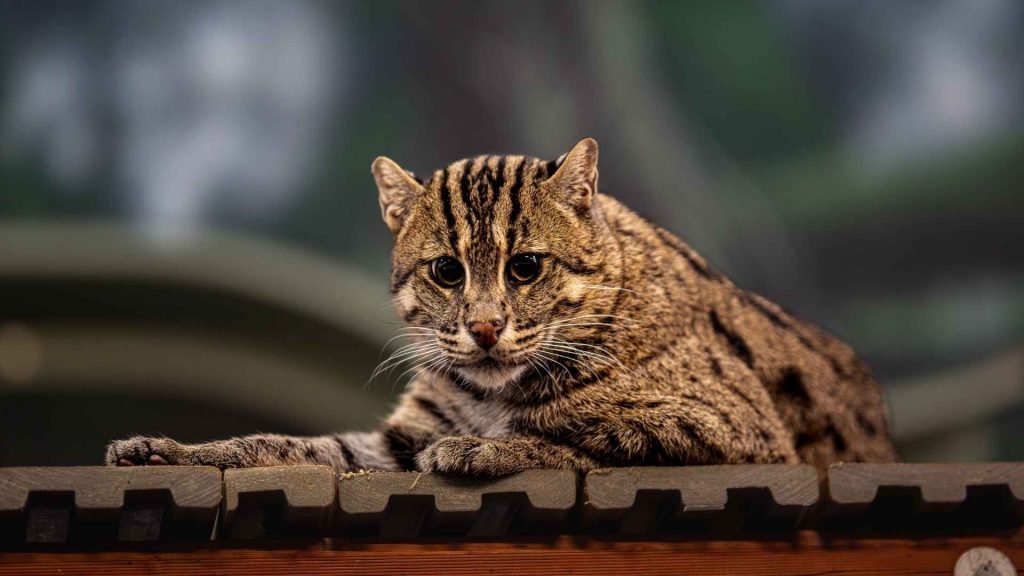
Imagine having a feline friend that’s not just a pet, but a conversation starter. Exotic cat breeds offer you this unique opportunity.
These cats aren’t your everyday tabbies. They bring a touch of mystery and elegance into your home, captivating anyone who crosses their path. You might wonder what makes these breeds so special and why they’re gaining so much attention. By exploring the world of exotic cats, you’ll uncover fascinating traits and characteristics that set them apart.
Are you ready to discover what makes these rare breeds so irresistible? Keep reading to find out how you can bring a touch of the extraordinary into your life with an exotic cat.
Credit: indianexpress.com
Popular Exotic Cat Breeds
Popular exotic cat breeds capture attention with their unique looks and captivating personalities. These cats often stand out with striking features that break the mold of traditional pet cats. You might find yourself drawn to their charm and wondering which breed fits your lifestyle best.
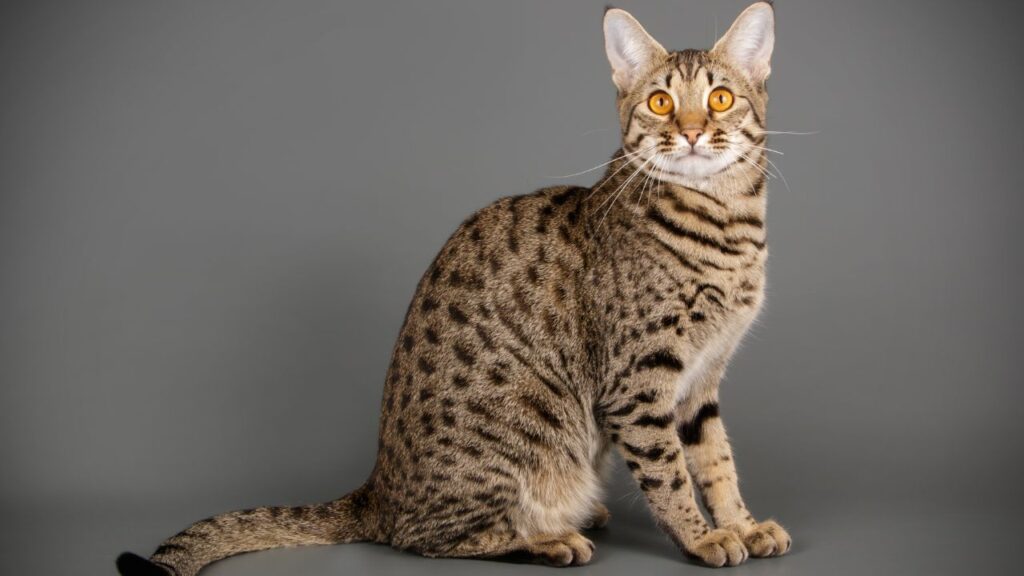
Bengal Cats
Bengals look like little wild leopards with their spotted coats and sleek bodies. They are incredibly energetic and love climbing and playing, which keeps you on your toes. If you enjoy an active pet that engages with you, Bengals offer endless fun and affection.
Sphynx Cats
The Sphynx is famous for its hairless, wrinkled skin and large ears. Despite their unusual appearance, they are warm and affectionate, often seeking out your lap for a cozy cuddle. Have you ever thought about a pet that feels like a warm hug all day?
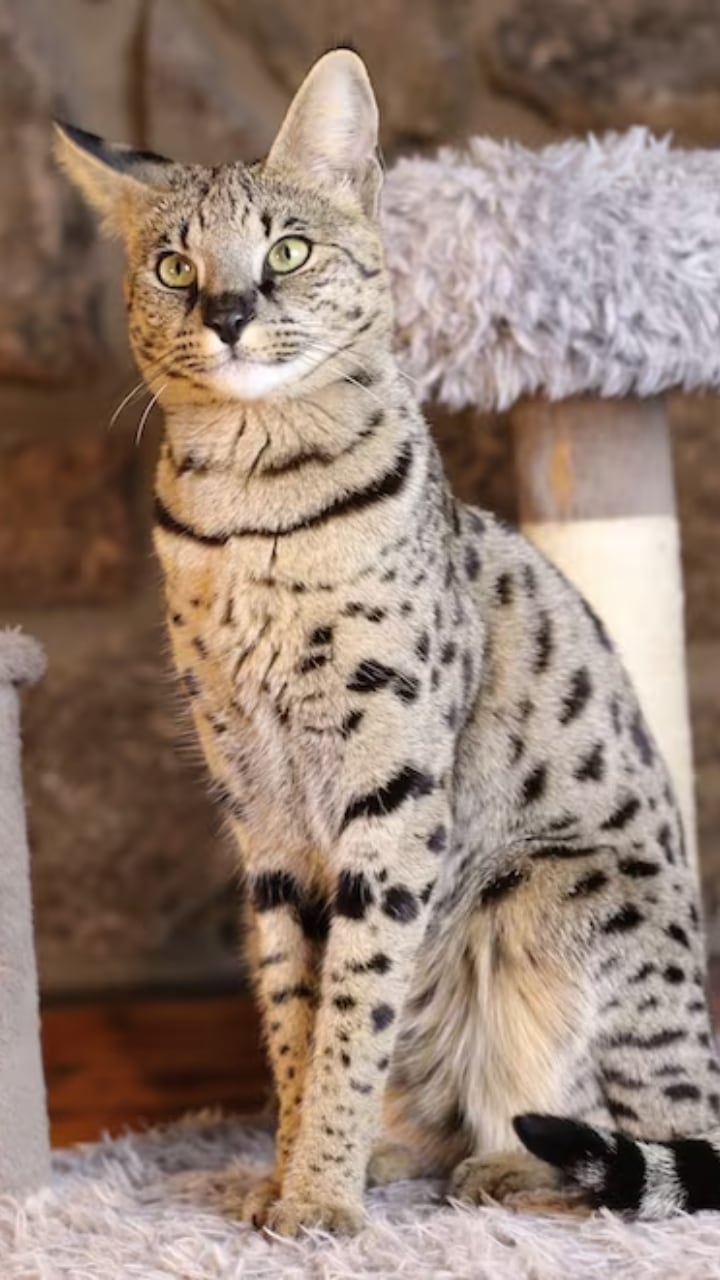
Savannah Cats
Savannah cats are a cross between domestic cats and wild servals, giving them a tall, lean frame and large ears. They are highly intelligent and curious, often learning tricks and enjoying interactive toys. Think about the challenge and reward of training such a clever companion.
Scottish Fold Cats
Scottish Folds stand out because of their folded ears, which give them a unique, owl-like appearance. They are gentle and adaptable, making them great for families or quiet homes. Do you prefer a calm cat that still offers plenty of personality and affection?
Credit: worldanimalfoundation.org
Physical Traits That Stand Out
Exotic cat breeds captivate with their striking physical traits. These features make them stand out in any crowd. Their unique looks often reflect their wild ancestry or special breeding.
From fur patterns to eye colors, these cats offer a visual feast. Their bodies may also carry unusual shapes that add to their charm. Each trait tells a story of nature’s creativity and careful human selection.
Unique Coat Patterns
Exotic cats often have coats unlike typical house cats. Some display spotted or marbled patterns that resemble wild cats. Others have rare color combinations that catch the eye easily.
- Spotted coats, like the Bengal, mimic leopards.
- Marbled patterns swirl in elegant, flowing shapes.
- Color points highlight ears, face, paws, and tail.
- Shimmering or glittery fur appears in breeds like the Egyptian Mau.
Distinctive Eye Colors
Eye colors in exotic cats can be deep and vivid. Some breeds have eyes that shine like jewels. These colors often contrast sharply with their fur, creating a striking look.
- Bright blue eyes, common in Siamese cats.
- Emerald green eyes found in the Russian Blue.
- Amber or gold eyes add warmth to darker coats.
- Odd-eyed cats have two different colored eyes.
Uncommon Body Shapes
Exotic cats show a variety of body shapes that differ from typical cats. Some have slender, elongated bodies. Others appear muscular and compact, built for agility or strength.
- The Sphynx has a hairless, muscular build.
- The Scottish Fold features a rounded body and folded ears.
- The Oriental Shorthair is long and sleek.
- The Munchkin has short legs, giving a unique stance.
Personality And Behavior
Exotic cat breeds often have unique personalities that set them apart from common house cats. Their behavior can be a mix of playful energy and affectionate moments. Understanding these traits helps owners connect better with their pets.
Playful And Energetic Traits
Many exotic cats love to play and explore. They often have bursts of energy that need outlets. Toys, climbing trees, and interactive games keep them happy. These cats enjoy challenges that test their agility. Their playful nature makes them lively companions.
Affection Levels
Exotic breeds vary in how much affection they show. Some are very cuddly and seek constant attention. Others prefer gentle petting and quiet time nearby. They often form strong bonds with their owners. Their love is expressed through purring and gentle headbutts.
Social Interaction Tendencies
Social behavior differs across exotic breeds. Some enjoy meeting new people and other pets. Others may be shy or reserved around strangers. They usually appreciate a calm and stable environment. Understanding their social needs prevents stress and builds trust.

Credit: talis-us.com
Care Needs For Exotic Cats
Exotic cats bring a unique charm to your home, but their care needs are different from those of typical domestic cats. Understanding these needs is key to ensuring your exotic feline stays happy and healthy. Let’s break down what you must pay attention to in daily care routines.
Dietary Requirements
Exotic cats often require diets tailored to their specific species and energy levels. Many thrive on high-protein, low-carb meals that mimic what they would eat in the wild. Have you checked if your cat’s food contains enough moisture? Wet food can help keep exotic cats hydrated, especially if they don’t drink much water on their own.
- Provide fresh, high-quality protein sources like chicken, fish, or specialized exotic cat food.
- Avoid fillers such as corn and soy, which can upset digestion.
- Consider supplements like taurine, essential for heart and eye health.
Grooming Tips
Grooming exotic cats isn’t just about keeping them clean—it’s a chance to bond and spot health issues early. Depending on the breed, some exotic cats shed less but still need regular brushing to prevent hairballs and matting. Have you noticed any changes in your cat’s coat texture or shedding patterns?
- Brush your cat at least twice a week using a brush suited for their fur type.
- Trim nails regularly to avoid overgrowth and injury.
- Check ears and teeth weekly for signs of infection or buildup.
Health Concerns
Exotic cats can be prone to specific health problems that you should monitor closely. Regular vet visits are essential, but you can also keep an eye on their behavior and appetite for early warning signs. Have you ever caught your cat hiding or acting unusually lethargic? These could be red flags.
- Watch for respiratory issues, common in some flat-faced breeds.
- Monitor for urinary tract problems, especially in males.
- Stay alert to joint or bone issues that might affect mobility.
Finding And Adopting Exotic Cats
Finding and adopting an exotic cat can be an exciting journey filled with discovery and responsibility. These unique felines offer more than just companionship—they bring a distinctive charm and personality into your home. However, securing an exotic cat requires careful research and thoughtful decisions to ensure both your happiness and the cat’s well-being.
Reputable Breeders
Start your search by identifying breeders who specialize in the exotic cat breed you desire. Look for those who provide clear health guarantees, detailed lineage records, and allow you to visit their facilities. A trustworthy breeder prioritizes the cat’s health and temperament over profit.
Ask about genetic testing and vaccinations. Reputable breeders often screen for common breed-specific health issues. If a breeder hesitates to answer your questions or rushes the process, consider it a red flag.
Rescue And Adoption Options
Many exotic cats end up in shelters or breed-specific rescues needing loving homes. Adopting from these sources can save a cat’s life and offer you a loyal companion. You might be surprised by the variety of exotic breeds available for adoption at any given time.
Adoption processes often include home visits and interviews to match the cat’s needs with your lifestyle. This helps ensure a good fit for both parties. Have you considered how adopting might change your experience compared to buying from a breeder?
Legal And Ethical Considerations
Before bringing an exotic cat home, check local and national regulations. Some species require permits or are restricted altogether. Ignoring these laws can lead to fines or the loss of your pet.
Ethically, think about the impact of your choice on the species and environment. Avoid supporting breeders who engage in unethical practices or contribute to illegal wildlife trade. Your decision influences more than just your household—it affects the broader animal community.
Living With Exotic Feline Friends
Living with exotic feline friends brings joy and unique challenges. These cats have special needs different from common pets. Their wild origins influence their behavior and care requirements. Understanding these needs helps create a happy home for both owner and cat.
Home Environment Setup
Create a safe space with plenty of room to roam. Exotic cats need vertical space for climbing and jumping. Use sturdy cat trees and shelves to encourage natural activity. Provide hiding spots for privacy and comfort. Keep the environment quiet and calm to reduce stress.
- Soft bedding in warm, quiet areas
- Scratching posts to protect furniture
- Secure windows and doors for safety
- Fresh water and clean litter boxes
Training And Enrichment
Exotic cats are intelligent and curious. Training helps them learn good behavior and builds trust. Use positive reinforcement with treats or praise. Enrichment toys keep their minds active and bodies fit. Rotate toys often to maintain interest.
- Interactive toys like feather wands
- Puzzle feeders for mental stimulation
- Short, consistent training sessions daily
- Safe outdoor enclosures or leash walks
Bonding Activities
Building a strong bond takes time and patience. Spend quiet moments together, letting the cat come close. Grooming sessions can relax and build trust. Play daily to strengthen connection and reduce boredom. Speak softly and use gentle touch to calm your feline friend.
- Brushing fur to prevent matting
- Playing with favorite toys
- Offering special treats during bonding
- Respecting their need for space
Frequently Asked Questions
What Defines An Exotic Cat Breed?
Exotic cat breeds have unique appearances or rare traits. They often come from unusual origins or distinct genetic lines. These cats are known for their striking looks and uncommon features that set them apart from typical domestic cats.
Are Exotic Cats Good Pets For Families?
Yes, many exotic cats are affectionate and social. They can adapt well to family environments with proper care. However, some breeds may need special attention or space due to their active nature.
How Do Exotic Cat Breeds Differ In Care?
Exotic cats may need specialized diets or grooming routines. Their unique traits can require extra health monitoring. Owners should research breed-specific needs to ensure proper care and wellbeing.
Which Exotic Cat Breeds Are Hypoallergenic?
Some exotic breeds like the Siberian or Balinese produce fewer allergens. These cats may suit allergy sufferers better. However, no cat is completely hypoallergenic, so individual reactions vary.
Conclusion
Exotic cat breeds bring beauty and charm to any home. They have unique looks and friendly personalities. Caring for these cats can be fun and rewarding. Each breed has its own special needs and traits. Choosing the right exotic cat means thinking about your lifestyle.
These cats make great companions for many people. Their playful nature and striking appearance attract attention. Owning an exotic cat is a joyful experience. Take time to learn about them before deciding. Exotic cats can brighten your life in many ways.
