

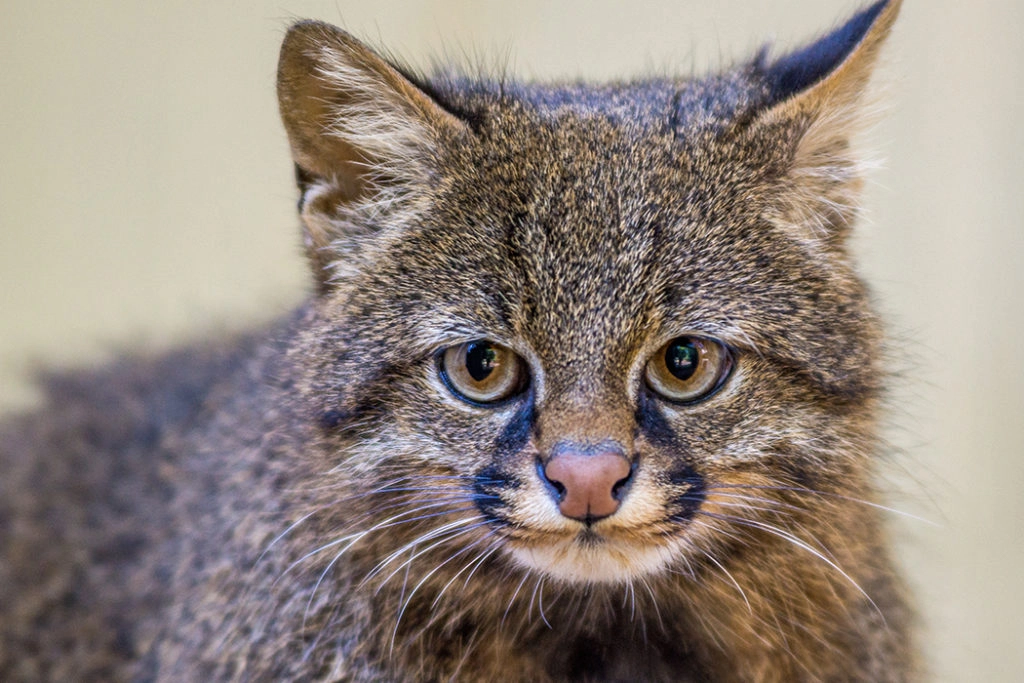
Imagine having a cat that turns heads not just because of its beauty but due to its sheer size and wild appearance. Wild large cat breeds are not your typical house cats; they are majestic creatures that blur the line between domestic pets and their wild cousins.
If you’ve ever wondered what it’s like to share your home with one of these extraordinary animals, you’re about to discover the secrets behind their allure. You’ll uncover fascinating insights into the world of large wild cat breeds, exploring their unique traits, temperaments, and the special care they require.
Get ready to be captivated by the untamed charm these cats bring into the lives of those who dare to welcome them. So, are you ready to learn more about these magnificent feline companions? Let’s dive in!
Credit: worldanimalfoundation.org
Big Cats Around The World
Big cats have fascinated humans for centuries, captivating us with their strength, beauty, and mysterious lives. These wild large cat breeds live in diverse environments across the globe. Understanding where they thrive helps you appreciate their unique behaviors and the roles they play in their ecosystems.
Lions Of The Savannah
Lions are often called the kings of the savannah. They live in groups called prides, which is unusual among big cats. This social structure helps them hunt and protect their territory more effectively.
If you ever watch lions in the wild, you’ll notice how teamwork plays a big part in their survival. Their golden coats blend perfectly with the dry grasslands, making them excellent hunters during dawn and dusk.
Tigers In The Jungle
Tigers prefer dense jungles and mangrove swamps. Their striped fur acts like camouflage, breaking up their outline among trees and shadows. Each tiger’s stripe pattern is unique, much like a human fingerprint.
Spending time studying tiger habitats reveals how these solitary cats avoid conflicts by marking large territories. Have you ever wondered how they manage to stay hidden despite their size and strength?
Leopards And Their Habitats
Leopards are the most adaptable of the big cats. They live in places ranging from rainforests to deserts. This ability to adjust helps them survive where other big cats might struggle.
Leopards often drag their prey up into trees to keep it safe from scavengers. This clever behavior shows how they use their environment to their advantage. What other survival tricks might they have that you haven’t noticed yet?
Jaguars Of The Americas
Jaguars are the giants of the Americas and mostly live in rainforests and wetlands. Their powerful jaws can crush the shells of turtles and even caimans. This strength is a key to their hunting success.
Many people don’t realize jaguars are strong swimmers and often hunt in water. Next time you think about big cats, consider how jaguars challenge the idea that cats dislike water.
Credit: www.petsradar.com
Physical Traits Of Giant Cats
Giant wild cats display unique physical traits that set them apart from smaller feline species. Their bodies are built for power, speed, and survival in diverse environments. These traits help them become top predators in the wild.
Size And Strength
Giant cats often weigh over 200 pounds. Their muscular build supports strength and agility. Large paws help them balance and grip prey. Strong jaws and sharp teeth deliver deadly bites. Their bones are dense, making their bodies sturdy and robust.
Coat Patterns And Colors
Coats vary between species but offer excellent camouflage. Some have spots, stripes, or rosettes. Colors range from golden yellow to deep orange, with white or black markings. These patterns help them blend into forests, grasslands, or snowy areas. The coat also protects against weather and insects.
Adaptations For Hunting
- Sharp retractable claws for gripping prey.
- Keen eyesight designed for low light conditions.
- Powerful hind legs for quick leaps and sprints.
- Whiskers sensitive to movement and space.
- Strong sense of smell to track animals.
These adaptations make giant cats effective hunters. They rely on stealth and sudden bursts of speed to catch prey.
Behavior And Social Life
Wild large cats display unique behaviors and social lives that help them survive. Their habits depend on species, environment, and needs. Understanding these traits reveals how they interact with others and their surroundings.
Solitary Vs Social Species
Most large wild cats live alone to avoid competition. They hunt and rest by themselves, marking territories to keep others away. Some species, like lions, are social. Lions live in groups called prides, cooperating to hunt and protect young. This social life helps them share food and defend territory.
Territorial Markings
Large cats mark their space to warn rivals. They use scents from glands on their paws, face, or tail. Scratching trees also leaves visual signs. These markings tell others to stay away and show who controls the area. Territories vary in size based on food and water availability.
Communication Methods
Wild large cats use many ways to communicate. Sounds like roars, growls, and purrs express feelings or warnings. Body language shows mood or intentions, such as tail flicks or ear positions. Scent marks carry messages about identity and reproductive status. This communication keeps social order and helps in hunting.
Credit: medium.com
Conservation Challenges
Wild large cat breeds face numerous conservation challenges that threaten their survival. These challenges stem from human activities and environmental changes that disrupt their natural existence. Understanding these issues can help you appreciate the urgency behind conservation efforts and what you can do to support them.
Habitat Loss
Wild large cats need vast territories to hunt and reproduce. As forests and grasslands shrink due to farming, urban growth, and logging, these cats lose essential space. This forces them into smaller areas, increasing conflicts with humans and other animals.
Have you ever wondered how a tiger’s life changes when its home is chopped down? Without enough cover and prey, their chances of survival drop sharply. Protecting habitats isn’t just about saving trees—it’s about saving entire ecosystems that wild cats depend on.
Poaching And Illegal Trade
Poaching remains a deadly threat to large cats worldwide. These animals are hunted for their skins, bones, and other body parts used in traditional medicines and as trophies. This illegal trade thrives despite laws, often fueled by high demand and weak enforcement.
Imagine witnessing a majestic leopard falling victim to poachers because of greed. It highlights how crucial your awareness and support for stricter laws and monitoring are. Reporting suspicious activities or supporting anti-poaching groups can make a real difference.
Conservation Efforts And Success Stories
Despite the odds, there are inspiring conservation stories that show hope. Protected reserves, anti-poaching patrols, and breeding programs have helped increase populations of some large cats. Community involvement and education also play a vital role in these successes.
- The Amur leopard population has grown thanks to strict habitat protection in Russia.
- In India, tiger numbers have risen due to Project Tiger’s focused efforts.
- Local communities in Africa are collaborating with conservationists to reduce human-wildlife conflicts.
What actions can you take to support these efforts? Even simple steps like spreading awareness or donating to trustworthy organizations contribute to big changes. Your involvement matters more than you might think.
Captive Care And Breeding
Caring for wild large cat breeds in captivity demands more than just space and food. It requires a deep understanding of their physical and psychological needs to ensure they thrive. Breeding these majestic animals responsibly adds another layer of complexity that can impact conservation efforts worldwide.
Zoos And Wildlife Sanctuaries
Zoos and wildlife sanctuaries play a crucial role in providing safe environments for large wild cats. These places often mimic natural habitats to keep the cats physically active and mentally stimulated.
Many facilities now focus on enrichment activities like climbing structures and scent trails to reduce stress. Have you ever wondered how much a simple change in enclosure design can improve an animal’s well-being? It’s these small but thoughtful adjustments that make a big difference.
Breeding Programs
Breeding wild large cats in captivity requires precise planning to maintain genetic diversity. Programs often use detailed genetic records to avoid inbreeding and strengthen the species’ gene pool.
Successful breeding doesn’t just happen; it involves timing, environment, and sometimes even behavioral coaching. When a cub is born, caretakers monitor its health closely, knowing that each new life is a vital part of the species’ future.
Ethical Considerations
Ethics should guide every decision in captive care and breeding. Is it right to keep these powerful animals confined for human purposes, even with conservation goals in mind?
Transparency about the animals’ conditions and breeding intentions helps build public trust. You, as a supporter or visitor, can ask important questions about how these cats are cared for and whether their welfare is truly prioritized.
Cultural Significance
Wild large cats have fascinated humans for centuries, not just for their power and beauty but also for their deep cultural significance. These magnificent creatures have shaped beliefs, inspired legends, and influenced art across the globe. Understanding their cultural roles gives you a richer appreciation beyond their physical presence in the wild.
Symbolism In Different Cultures
In many cultures, large wild cats symbolize strength, courage, and protection. For example, the tiger is revered in India and China as a guardian against evil spirits and a symbol of royalty. Meanwhile, the jaguar holds a sacred place among indigenous peoples of Central and South America, representing power and the spirit world.
Have you noticed how these animals appear on flags, emblems, and even sports teams? This shows how their qualities resonate with human ideals and identity. Their symbolism often reflects the values or fears of the society that honors them.
Wild Cats In Mythology And Art
Wild cats feature prominently in myths and ancient art, serving as more than just animals—they become characters with divine or supernatural roles. The Egyptian goddess Bastet, depicted as a lioness or domestic cat, was believed to protect the home and bring fertility.
Artists throughout history have captured the wild cat’s grace and ferocity in paintings, sculptures, and carvings. These artistic expressions allow you to connect emotionally with the animal’s spirit and the culture that venerates it.
Influence On Popular Media
Wild large cats continue to inspire movies, books, and video games, shaping how you and others perceive these creatures today. Films like “The Lion King” or documentaries such as “Tiger King” bring their stories to global audiences, often blending fact with fiction.
This media exposure impacts conservation awareness and sometimes creates misconceptions. It’s worth asking yourself: how does popular media shape your view of wild cats, and what can you do to separate myth from reality?
Frequently Asked Questions
What Are The Largest Wild Cat Breeds In The World?
The largest wild cat breeds include the Siberian tiger, Bengal tiger, and lion. These cats can weigh over 400 pounds and measure up to 10 feet long, excluding the tail. Their size helps them dominate their habitats and hunt large prey.
How Do Wild Large Cats Hunt Their Prey?
Wild large cats use stealth, strength, and speed to hunt. They stalk silently, then pounce quickly to catch prey. Their sharp claws and strong jaws help kill and carry their catch. These hunting skills are vital for survival in the wild.
Where Do Wild Large Cats Mostly Live?
Wild large cats inhabit forests, grasslands, and mountains worldwide. Tigers are mostly found in Asia, lions in Africa, and jaguars in South America. Their habitats provide shelter, food, and space needed to thrive.
Are Wild Large Cats Endangered Species?
Many wild large cats are endangered due to habitat loss and poaching. Tigers and snow leopards face critical threats. Conservation efforts focus on protecting habitats and reducing human-wildlife conflicts to ensure their survival.
Conclusion
Wild large cat breeds show nature’s power and beauty. Each species has its own strength and charm. They live in different places and face unique challenges. Protecting these cats helps keep the world’s balance. Learning about them brings respect and wonder.
These animals remind us how special wildlife is. Their survival depends on care and awareness. Let’s appreciate wild cats and support their future.
