

Have you ever wondered which cat breeds tend to stick around the longest? If you’re a cat lover looking to welcome a new feline friend into your home, knowing which breeds are known for their longevity can be invaluable.
Choosing a cat that’s not only a great companion but also has a long lifespan means years of joy and companionship. Imagine fewer vet visits and more time for those purr-fect moments together. You’ll discover the longest living cat breeds, providing you with insights that could help you make the best choice for your furry family member.
Stay with us to find out which breeds might just become your lifelong companions.

Credit: manilastandard.net
Factors Influencing Cat Longevity
Many factors influence how long a cat lives. These factors affect the cat’s health and well-being daily. Understanding them helps owners give their pets a longer, happier life.
Genetics And Breed Traits
Some cat breeds naturally live longer than others. Genetics play a big role in a cat’s lifespan. Certain breeds have fewer health problems, which helps them live longer. Mixed-breed cats often benefit from diverse genes, which can improve longevity.
Diet And Nutrition
A balanced diet supports a cat’s overall health. Proper nutrition helps maintain a healthy weight and strong immune system. Feeding high-quality food with the right nutrients can prevent many diseases. Fresh water and controlled portion sizes also contribute to a longer life.
Healthcare And Environment
Regular veterinary check-ups catch health issues early. Vaccinations and parasite control keep cats safe from infections. A clean, stress-free home environment reduces health risks. Exercise and mental stimulation keep cats active and healthy for years.
Credit: catfancast.com
Siamese Cats
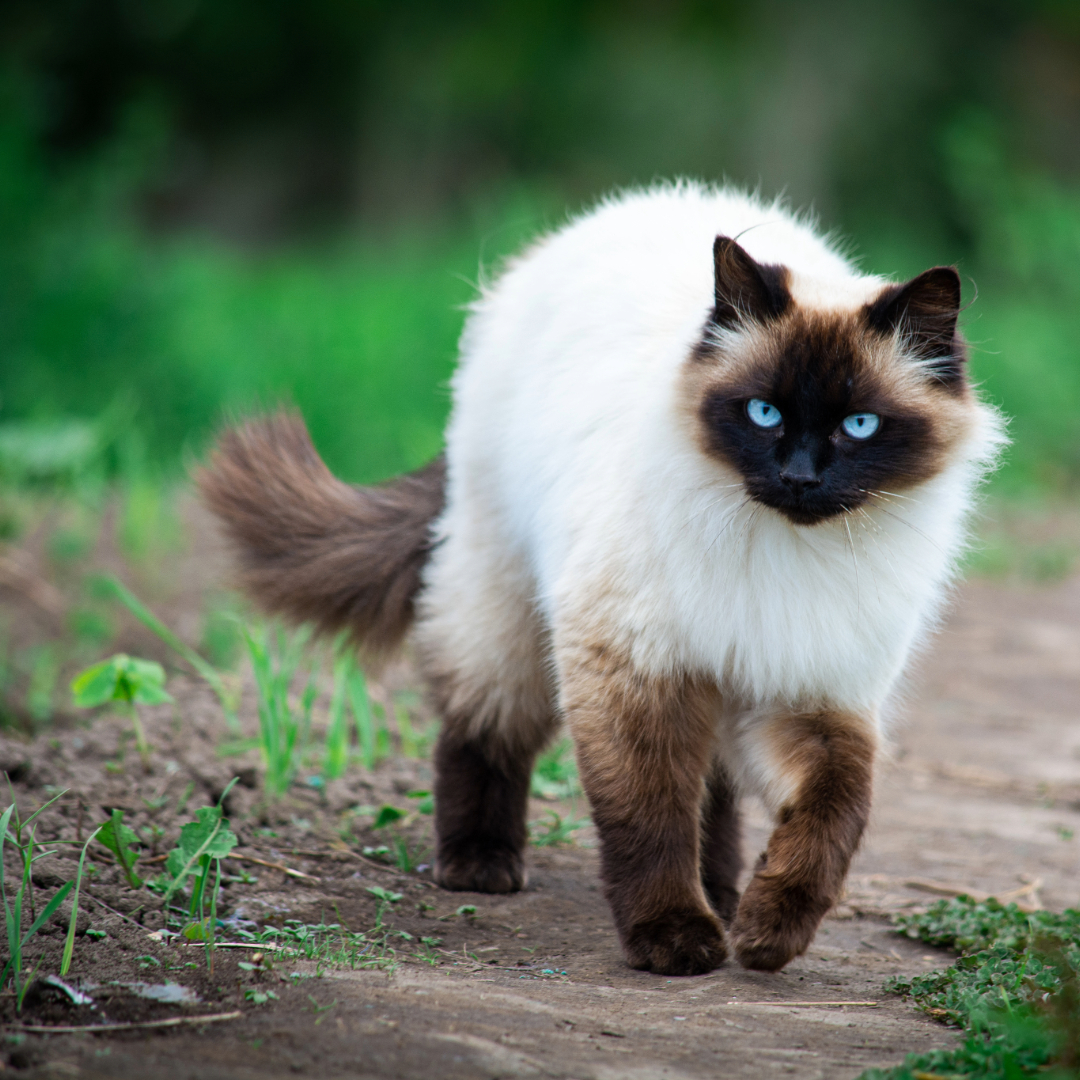
Siamese cats are among the most recognizable and cherished breeds worldwide. Their striking blue eyes and sleek, short coat make them stand out in any room. Beyond their beauty, these cats are known for their lively personalities and impressive longevity, making them a rewarding companion for many years.
Lifespan Range
Siamese cats typically live between 12 to 20 years, with some reaching beyond 20 years with excellent care. Their lifespan often surpasses that of many other breeds, which makes them a long-term commitment. Have you ever wondered how some Siamese cats manage to live so long? Genetics combined with attentive care often play a big role.
Key Characteristics
- Appearance:Sleek, muscular body with a short, fine coat and distinctive color points on ears, face, paws, and tail.
- Personality:Vocal, intelligent, and social; they crave interaction and often develop strong bonds with their owners.
- Activity Level:Highly energetic and playful, they require mental and physical stimulation.
These traits make Siamese cats not just pets but active members of your family who demand your attention and affection.
Care Tips
- Regular Vet Checkups:Early detection of health issues like respiratory problems or dental disease can extend their lifespan.
- Balanced Diet:Provide high-quality cat food rich in protein to support their active lifestyle and maintain muscle tone.
- Mental Stimulation:Toys, puzzles, and interactive playtime keep their sharp minds engaged and reduce stress.
- Social Interaction:Spend quality time daily, as loneliness can affect their well-being.
Have you noticed how your Siamese cat reacts when you’re busy? Taking time to engage with them can make a big difference in their happiness and health.
Burmese Cats
The Burmese cat stands out among long-living cat breeds for its striking appearance and affectionate nature. With their sleek, shiny coats and large, expressive eyes, these cats quickly win hearts. But beyond their beauty, Burmese cats offer a unique blend of personality and health traits that can make them a wonderful, long-term companion.
Average Lifespan
Burmese cats typically live between 16 to 18 years, with some reaching their early 20s. Their long lifespan means you’re likely to share many years of memories and companionship. Are you ready for a pet that grows with you through life’s chapters?
Personality Traits
Burmese cats are known for their social and playful nature. They thrive on interaction and often form strong bonds with their human family members. You’ll find them curious, energetic, and sometimes even a bit talkative, making every day lively.
They also adapt well to different living situations, whether it’s a busy household or a quieter home. If you want a cat that actively participates in your life, a Burmese might be the perfect fit.
Health Considerations
While generally healthy, Burmese cats can be prone to specific genetic issues like craniofacial defects and hypokalemia, a condition causing muscle weakness. Regular vet check-ups and a balanced diet can help you catch problems early.
Keeping your Burmese active and mentally stimulated supports their overall well-being. Have you thought about how you’ll keep your cat engaged and healthy over the years?
Ragdoll Cats
Ragdoll cats are famous for their calm and gentle nature. They have beautiful blue eyes and soft, semi-long fur. These cats often go limp when you hold them, like a ragdoll toy. Their large size and affectionate personality make them a favorite among cat lovers. They adapt well to indoor life and enjoy spending time with their human companions.
Longevity Stats
Ragdolls live longer than many other cat breeds. Their average lifespan ranges from 12 to 17 years. Some can live even beyond 17 years with proper care. Good nutrition and regular vet visits help increase their lifespan. They have fewer genetic health problems than some other breeds.
Temperament
Ragdolls are known for being very friendly and calm. They enjoy being held and cuddled. These cats rarely scratch or bite. They get along well with children and other pets. Ragdolls like to follow their owners around the house. They are not very vocal but will communicate softly.
Grooming Needs
Their soft fur needs regular brushing to prevent mats. Brushing two to three times a week is enough. Ragdolls shed moderately, so grooming helps reduce loose hair. Bathing is rarely needed unless the cat gets dirty. Keep their nails trimmed and ears clean for best health.
Russian Blue Cats
Russian Blue cats are known for their striking appearance and gentle personalities. If you’re considering a cat that combines beauty with longevity, these felines might catch your interest. Their calm nature and intelligence make them wonderful companions who often live well into their senior years.
Expected Lifespan
Russian Blue cats typically live between 15 to 20 years. With proper care, some even surpass this range and reach their early 20s. Their long lifespan is partly due to good genetics and a generally healthy constitution.
Would you be ready to commit to a pet that could be by your side for two decades? Planning for their long life means regular vet visits and a balanced diet.
Physical Features
These cats have a dense, short coat that feels plush and soft. Their fur is a shimmering silver-blue color, which is quite unique among cat breeds.
Their eyes are vivid green and almond-shaped, adding to their expressive face. Russian Blues have a slender, muscular body and long legs, making them agile and graceful movers.
Common Health Issues
Russian Blue cats are generally healthy but can be prone to certain conditions. For example, some may develop bladder stones or respiratory issues.
Regular checkups help catch any problems early. Paying attention to your cat’s behavior and appetite can prevent minor issues from becoming serious.
Savannah Cats
Savannah cats are a unique blend of wild and domestic traits, born from crossing a domestic cat with a serval, a wild African cat. Their striking appearance and energetic personality make them a favorite among cat enthusiasts. If you’re considering a Savannah as a long-term companion, it’s important to understand their lifespan, behavior, and care needs.
Life Expectancy
Savannah cats typically live between 12 to 20 years, with some reaching well into their late teens. Their longevity is influenced by genetics, diet, and overall care quality. Regular veterinary checkups can help catch health issues early, extending their healthy years.
Behavioral Traits
These cats are known for their high energy and curiosity. They enjoy interactive play and need mental stimulation to stay happy. Unlike many domestic cats, Savannahs often form strong bonds with their owners and can even learn to walk on a leash.
- Highly intelligent and quick learners
- Social but can be shy around strangers
- Strong hunting instincts and love for climbing
Have you ever noticed how a Savannah’s playful nature reminds you of a dog? Their loyalty and eagerness to engage can create a rewarding pet-owner relationship.
Special Care Requirements
Because of their wild heritage, Savannahs need more space and stimulation than typical cats. Providing climbing trees, puzzle toys, and regular play sessions is essential. Their diet should be rich in protein to support their active lifestyle.
These cats may also need more social interaction to prevent boredom and stress. If you travel often or have a busy schedule, think about how you can meet their needs daily. Do you have the time and resources to provide a Savannah with the environment it thrives in?
Manx Cats
Manx cats are truly fascinating creatures, easily recognized by their distinctive tailless or short-tailed appearance. This unique trait sets them apart from other breeds and often sparks curiosity among cat lovers. Beyond their looks, Manx cats boast qualities that make them one of the longest living cat breeds, blending charm with longevity.
Typical Lifespan
Manx cats generally live between 12 to 15 years, with some reaching well into their late teens. Their lifespan often depends on genetics and the care they receive. Proper diet and regular veterinary check-ups can help your Manx thrive for many years.
Unique Attributes
- Tail Variations:Manx cats come in three tail types—rumpy (no tail), stump (short tail), and longy (almost full tail).
- Strong Build:They have a muscular, rounded body and sturdy legs, making them excellent jumpers and climbers.
- Playful Personality:These cats are known for their intelligence and playful nature, often forming strong bonds with their owners.
Have you ever noticed how a Manx’s tail length can shape its balance and agility? It’s a fascinating trait that influences their movement and behavior.
Health And Safety
While Manx cats are generally healthy, they can be prone to a condition called Manx Syndrome, caused by the genetic mutation affecting their spine. This can lead to issues like spinal deformities and digestive problems. Early veterinary screenings are essential to catch any signs early.
To keep your Manx safe, monitor their mobility and bowel habits regularly. Providing a safe environment with minimal high jumps can reduce injury risks. Have you considered how your home setup might support a tailless cat’s unique needs?
Credit: www.freemalaysiatoday.com
Sphynx Cats
The Sphynx cat stands out with its unique look and lively personality. Known for being hairless, these cats have a charm that goes beyond their unusual appearance. If you’re curious about their lifespan and how to care for them, here’s what you should know.
Longevity Overview
Sphynx cats typically live between 8 to 14 years, but many have been known to reach 15 years or more with proper care.
Their lifespan is influenced by genetics and a well-maintained lifestyle. Unlike many breeds, their lack of fur doesn’t shorten their life but requires special attention.
Distinctive Qualities
- Hairless Body:Their skin feels warm and soft, which makes them excellent cuddlers.
- High Energy:They are playful and social, often seeking interaction with their owners.
- Expressive Faces:Their large ears and big eyes give them a unique, curious look.
These qualities make them affectionate companions that love to be the center of attention. Have you ever noticed how a Sphynx seems to know when you need a little extra comfort?
Maintaining Health
Because they have no fur, Sphynx cats need regular skin care. You’ll need to gently clean their skin weekly to remove oils and dirt.
Temperature control is crucial. Without fur, they can get cold easily, so providing cozy blankets or warm spots is a must.
- Feed a balanced diet rich in nutrients to support their active metabolism.
- Schedule regular vet checkups to catch any health issues early.
- Watch for skin problems like rashes or dryness, which can develop without proper care.
Have you thought about how your daily habits might affect a Sphynx’s skin health? Small changes like adjusting your home’s humidity can make a big difference.
Frequently Asked Questions
What Are The Longest Living Cat Breeds?
The longest living cat breeds include Siamese, Burmese, and Ragdoll. These cats often live 15-20 years or more with proper care. Genetics, diet, and environment play key roles in their lifespan.
How Can I Increase My Cat’s Lifespan?
Provide a balanced diet, regular vet check-ups, and a safe environment. Mental stimulation and exercise also boost your cat’s health and longevity. Early disease detection improves survival rates.
Do Indoor Cats Live Longer Than Outdoor Cats?
Yes, indoor cats generally live longer due to fewer risks like accidents and diseases. They have controlled diets and safer environments, which contribute to extended lifespans.
Which Cat Breed Is Healthiest For Longevity?
Siamese and Burmese cats are known for their good health and long lives. They have fewer genetic issues and adapt well to different living conditions, increasing their lifespan potential.
Conclusion
Choosing a cat breed with a long life can bring many happy years. These cats often stay healthy and active well into old age. Caring for them with good food and love helps too. Each breed has its own charm and needs.
Enjoy every moment with your feline friend. A long life means more memories and joy together. Think about these breeds if you want a lasting companion. Cats give comfort and fun for many years. A healthy cat is a happy cat.
