

Imagine having a furry companion that won’t trigger your allergies. Sounds like a dream, right?
If you’ve been holding back on getting a cat because of sneezes and sniffles, you’re in the right place. Hypoallergenic cat breeds might just be the solution you’ve been waiting for. These unique cats produce fewer allergens, making them perfect for allergy sufferers like you.
Dive into this article to discover which breeds could fit seamlessly into your life, allowing you to enjoy all the joys of cat ownership without the itch. Stay with us as we explore these fascinating feline friends and help you find the perfect match. Your new best friend could be just a few scrolls away.
What Makes A Cat Hypoallergenic
Understanding what makes a cat hypoallergenic helps allergy sufferers choose the right pet. Not all cats cause the same allergic reactions. Some breeds produce fewer allergens, making them easier to live with. The key lies in the proteins cats release and how much they shed.
Common Allergens In Cats
Cats produce several allergens that trigger reactions in sensitive people. The main allergen is Fel d 1, a protein found in cat saliva and skin glands. When cats groom themselves, this protein spreads to their fur and skin. Dander, which is tiny skin flakes, also carries allergens. These particles become airborne and cause sneezing, itching, or watery eyes. Urine and saliva can contribute to allergic responses as well.
How Hypoallergenic Cats Differ
Hypoallergenic cats produce less Fel d 1 or shed less dander. Their fur type often holds allergens close to the skin, reducing spread. Some breeds have a different coat texture that traps allergens better. Lower allergen production means fewer triggers for allergy sufferers. These cats still produce allergens, but in smaller amounts. Regular grooming and cleaning can further reduce allergens in the home.

Credit: www.thepioneerwoman.com
Top Hypoallergenic Cat Breeds
Finding the right hypoallergenic cat breed can make a huge difference if you or someone in your home struggles with allergies. These breeds tend to produce fewer allergens, making it easier to enjoy the company of a feline friend without constant sneezing or itchy eyes. Here’s a closer look at some of the top hypoallergenic cat breeds that might fit perfectly into your life.
Siberian Cats
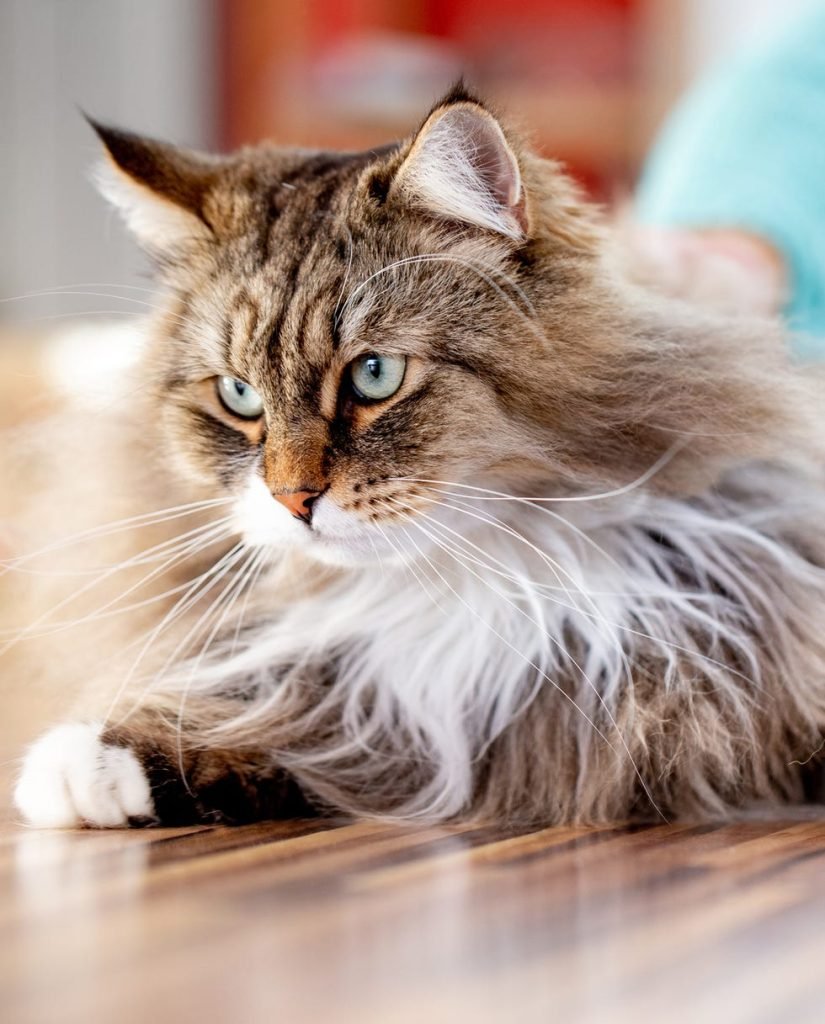
Siberian cats are known for their thick, beautiful fur, yet they produce lower levels of the Fel d 1 protein, which triggers allergies. Their friendly and playful nature makes them great companions for families. Have you ever considered a cat that surprises you with both its looks and allergy-friendly traits?
Balinese Cats
Balinese cats are often called the “long-haired Siamese,” but their coat sheds less dander compared to other long-haired breeds. They are vocal and social, making them engaging pets who love interaction. Could a talkative, affectionate cat brighten your home without aggravating allergies?
Russian Blue Cats
Russian Blues have a dense double coat that traps allergens close to their skin, reducing airborne particles. Their calm and reserved personality suits quieter households. If you want a cat that’s both elegant and low on allergens, this breed is worth considering.
Sphynx Cats
The Sphynx is famous for its hairless appearance, which means less fur to spread allergens around. Despite their naked look, they require regular skin care to avoid oil build-up. Would you be open to a cat that challenges your expectations of what a feline looks like?
Devon Rex Cats
Devon Rex cats have soft, wavy coats that shed minimally, keeping allergen levels low. Their playful and affectionate nature makes them a joy to have around. Have you noticed how some cats seem to bond instantly with their owners?
Cornish Rex Cats
Cornish Rex cats sport a unique curly coat that is short and doesn’t shed much. They are energetic and curious, always ready for a game or cuddle. Could their lively spirit add just the right amount of energy to your home?
Oriental Shorthair Cats
Oriental Shorthairs have sleek, short coats that shed less dander compared to many other breeds. They are intelligent and people-oriented, often forming strong bonds. What if your next cat could be both a smart companion and allergy-friendly?
Choosing The Right Hypoallergenic Cat
Choosing the right hypoallergenic cat goes beyond just picking a breed known for low allergen levels. It involves understanding how a cat fits into your daily life, how much care it requires, and whether its personality matches your expectations. This careful consideration helps ensure a happy home for both you and your feline friend.
Lifestyle Considerations
Your daily routine and living space play a big role in deciding which hypoallergenic cat suits you best. If you have a busy schedule, a cat that requires minimal attention may be ideal. On the other hand, if you enjoy spending time playing and bonding, a more active and social breed could be a better match.
Think about your home environment too. Do you have other pets or children? Some hypoallergenic cats adapt better to busy households, while others prefer quiet settings. Asking yourself these questions can guide you to a cat that fits smoothly into your life.
Grooming Needs
Not all hypoallergenic cats have the same grooming requirements. Some breeds shed less but still need regular brushing to keep their coat healthy. Others may require occasional baths or special care to reduce allergens effectively.
Consider how much time you can realistically spend on grooming. If you dread the idea of daily brushing, look for cats with short or non-shedding coats that need less maintenance. Your commitment to grooming directly impacts your comfort and the cat’s well-being.
Personality And Temperament
Hypoallergenic doesn’t just mean low allergens; it also means finding a cat whose personality matches your lifestyle. Some breeds are known for being affectionate and playful, while others are more independent or reserved. What kind of companionship do you want from your cat?
Reflect on whether you prefer a lap cat that enjoys cuddles or a curious explorer who entertains itself. Choosing a cat with a temperament that fits your preferences helps build a stronger, more satisfying bond over time.

Credit: shamelesspets.com
Managing Allergies With Hypoallergenic Cats
Managing allergies while living with hypoallergenic cats requires more than just choosing the right breed. Proper care and environment control play key roles in reducing allergic reactions. Simple habits can lower allergen levels and improve comfort for sensitive individuals.
Even hypoallergenic cats produce some allergens. Taking extra steps helps keep symptoms mild. Consistent cleaning, fresh air, and appropriate treatments support a healthier home for both cats and people.
Cleaning Tips To Reduce Allergens
- Vacuum floors and furniture often using a HEPA filter vacuum.
- Wash cat bedding and blankets weekly in hot water.
- Wipe down surfaces with damp cloths to trap allergens.
- Brush your cat outside to remove loose fur and dander.
- Keep litter boxes clean to prevent dust and odors.
Air Quality And Ventilation
- Open windows regularly to let fresh air circulate.
- Use air purifiers with HEPA filters to capture allergens.
- Keep humidity levels between 30% and 50% to reduce dust mites.
- Avoid smoking indoors to maintain cleaner air quality.
- Place vents and fans to improve airflow in living areas.
Allergy Medications And Treatments
- Consult a doctor about antihistamines to control symptoms.
- Use nasal sprays to reduce inflammation and congestion.
- Consider allergy shots for long-term relief if recommended.
- Keep allergy medications handy during high exposure times.
- Discuss new treatments with healthcare providers regularly.

Credit: www.thepioneerwoman.com
Frequently Asked Questions
What Makes A Cat Breed Hypoallergenic?
Hypoallergenic cats produce fewer allergenic proteins. They shed less dander and saliva, reducing allergy triggers. This helps sensitive individuals enjoy cat companionship with fewer allergic reactions.
Which Cat Breeds Are Best For Allergy Sufferers?
Siberian, Balinese, and Devon Rex are top hypoallergenic breeds. These cats have lower allergen levels and minimal shedding. They are ideal for people prone to cat allergies.
Are Hypoallergenic Cats Completely Allergy-free?
No cat is 100% allergen-free. Hypoallergenic breeds reduce allergens but may still cause mild reactions. Allergy sufferers should spend time with the cat before adoption.
How Can I Reduce Cat Allergens At Home?
Regular grooming and cleaning reduce allergens effectively. Use HEPA air filters and wash cat bedding weekly. These steps minimize airborne allergens and maintain a cleaner environment.
Conclusion
Hypoallergenic cat breeds offer a great choice for allergy sufferers. They shed less and produce fewer allergens. Choosing the right breed can make living with cats easier. Each breed has its own unique traits and charm. Spend time with cats before deciding.
Enjoy the company of a furry friend without constant sneezing. A hypoallergenic cat can bring joy and comfort to your home. Simple steps help you find the perfect match. Embrace the love of cats, even with allergies.
