

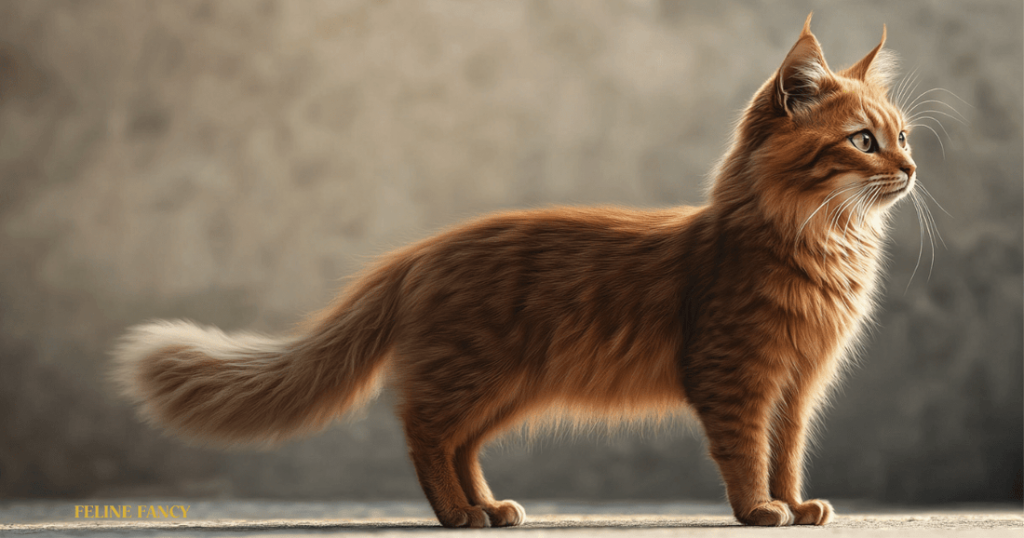
Imagine a cat that seems to have stepped straight out of a storybook, with a coat that shimmers like the desert sun and a playful spirit that captures your heart instantly. This is the Somali cat—a breed that combines elegance with a zest for life.
Whether you’re a cat enthusiast or simply curious about unique feline companions, the Somali cat breed offers a fascinating blend of beauty and personality. You’ll discover what makes these cats so special, from their striking appearance to their playful nature.
You’ll find yourself enchanted by their charm and eager to learn more about how they could become the perfect addition to your home. Ready to explore the captivating world of Somali cats? Keep reading to uncover the secrets of these extraordinary creatures.
Credit: cats.fandom.com
Somali Cat Origins
The Somali cat is a striking breed known for its lush fur and lively personality. Its origins trace back to a fascinating blend of natural evolution and selective breeding. Understanding where Somali cats come from helps appreciate their unique traits and charm.
Breed History
The Somali cat is often called the “long-haired Abyssinian.” It first appeared in the 1950s in the United States. Breeders noticed some Abyssinians had longer fur and decided to develop this trait. The breed gained popularity for its fox-like appearance and playful nature. Somali cats were officially recognized by cat associations in the 1970s. Since then, they have become a favorite among cat lovers worldwide.
Genetic Background
Somali cats share their genetic roots with Abyssinians. The long fur is a natural mutation of the short-haired Abyssinian gene. This mutation caused the soft, dense coat that Somali cats display today. Their coat colors come from the same agouti gene found in Abyssinians. This gene creates the ticked fur pattern, where each hair has multiple colors. The Somali’s genetics combine wild looks with gentle behavior, making them both beautiful and friendly pets.
Physical Characteristics
The physical characteristics of Somali cats are a big part of what makes them so captivating. These cats don’t just catch your eye—they hold it. Understanding their unique features can help you appreciate their beauty and perhaps decide if they fit your home.
Distinctive Coat
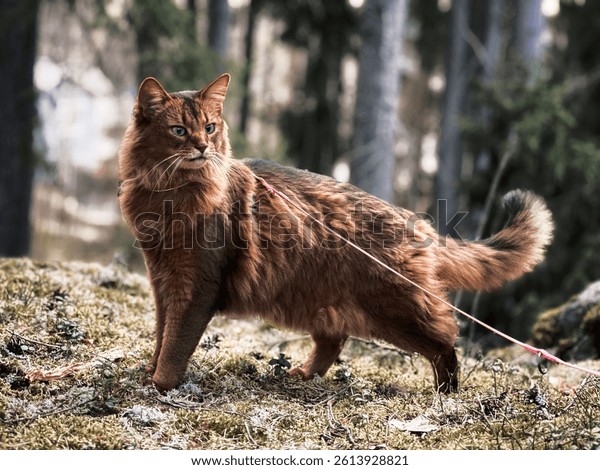
Somali cats have a long, soft coat that feels like silk to the touch. Their fur is ticked, meaning each hair has several bands of color, creating a glowing, multi-dimensional effect. This coat often shines with rich shades like ruddy, red, blue, or fawn.
Grooming your Somali is a rewarding experience because their coat rarely mats, but it does need regular brushing to keep that shine. Have you noticed how their fur almost seems to shimmer in natural light? That’s the ticking at work, making them look like tiny, wild foxes.
Eye Color And Shape
The eyes of a Somali cat are almond-shaped and expressive, almost as if they’re always curious about your next move. Their eye colors range from deep gold to green, and sometimes even amber, adding to their mystique.
One interesting detail is how their eyes seem to glow with intelligence and alertness. If you look closely, you might catch them tracking your movements or reacting to subtle sounds you didn’t even notice. This eye expression is something that draws many cat lovers to the breed.
Body Structure
Somalis have a medium-sized, muscular body with a graceful build that emphasizes agility and speed. Their long legs and bushy tails help them balance perfectly, whether they’re jumping or running around your living room.
Their structure is a blend of elegance and athleticism, making them excellent climbers and hunters. If you want a cat that’s active and playful but also sleek and beautiful, the Somali’s body type fits perfectly. Can you imagine the fun of watching one leap effortlessly from one surface to another?
Personality Traits
Somali cats have a unique personality that makes them stand out. Their traits make them wonderful companions for many families. Understanding their nature helps in building a strong bond with these beautiful cats.
Temperament
Somali cats are gentle and affectionate. They enjoy being close to their owners. These cats are often calm but also show bursts of energy. They handle changes well and adapt quickly. Their balanced temperament makes them great pets.
Social Behavior
These cats love social interaction. They enjoy meeting new people and other animals. Somali cats do not like being alone for long. They often follow their owners around the house. Their friendly nature makes them good family pets.
Intelligence And Playfulness
Somali cats are very smart and curious. They learn tricks quickly and enjoy puzzles. Playtime is important to keep them happy. Toys, climbing trees, and games keep their minds sharp. Their playful spirit lasts well into adulthood.
Credit: www.shutterstock.com
Health Considerations
Understanding the health considerations of Somali cats is essential for ensuring your feline friend lives a long, happy life. These cats are active and playful, but they can be prone to specific health issues that require your attention. Knowing what to watch for helps you provide the best care possible.
Common Health Issues
Somali cats are generally healthy, but they can inherit certain conditions. One common issue is progressive retinal atrophy (PRA), which can lead to vision loss. Watching for changes in your cat’s eyesight or behavior can help catch this early.
Another concern is pyruvate kinase deficiency (PKD), a blood disorder affecting red blood cells. You might notice your cat getting tired easily or showing signs of anemia. Regular vet visits are crucial to detect these problems before they worsen.
Additionally, Somali cats may develop hip dysplasia, which affects their mobility. If you see your cat limping or hesitating to jump, it’s time to consult your vet. Early intervention can make a significant difference.
Preventive Care
Preventive care is your best tool to keep your Somali cat healthy. Schedule regular check-ups with your vet to monitor for genetic diseases. Blood tests and eye exams can catch many issues early.
Nutrition plays a vital role as well. Feeding a balanced diet supports your cat’s immune system and overall health. Avoid sudden changes in food and watch for any digestive problems.
Exercise and mental stimulation help maintain your Somali’s physical and emotional well-being. These cats thrive on activity, so providing toys and playtime can reduce stress and improve their quality of life.
Do you know the signs of early health problems in your cat? Staying alert and proactive makes a big difference in managing your Somali’s health.
Grooming Needs
Somali cats have a beautiful, thick coat that needs regular care. Their grooming needs are moderate but important to keep their fur healthy and shiny. Regular attention prevents mats and reduces shedding. Grooming also helps you check for skin problems or parasites early.
Coat Maintenance
The Somali cat’s coat is soft and dense with a fine undercoat. Daily brushing removes loose hairs and stops tangles. Use a wide-tooth comb or a soft brush designed for long-haired cats. Focus on areas prone to mats, such as behind the ears and under the legs.
Regular grooming supports healthy skin and fur. It also keeps your home cleaner by cutting down on shed hair. Grooming sessions build trust and strengthen your bond with your cat.
Bathing And Brushing Tips
Somalis do not need frequent baths. Bathing every few months is enough to keep their coat fresh. Use a mild cat shampoo to avoid skin irritation. Make sure to rinse thoroughly to remove all soap residues.
Brush your Somali cat before bathing to remove loose fur. After the bath, dry the coat gently with a towel. Avoid using a hairdryer on high heat as it can stress the cat and damage the fur.
- Brush gently but thoroughly to avoid pulling on the fur.
- Use a slicker brush or a comb with fine teeth for best results.
- Check for fleas and ticks during grooming sessions.
- Trim nails carefully to prevent scratches during brushing.
Diet And Nutrition
Proper diet and nutrition are vital for Somali cats. These active and playful cats need balanced meals to stay healthy and energetic. Their diet supports their beautiful coat and sharp mind. Feeding the right foods helps prevent health problems and keeps them lively.
Recommended Foods
- High-quality protein sources like chicken, turkey, and fish
- Wet or canned cat food for better hydration
- Dry kibble formulated for active cats to support dental health
- Small amounts of cooked vegetables like carrots or peas
- Limited treats with low calories and no artificial additives
Protein should be the main part of their diet. Avoid fillers like corn or soy. Fresh water must always be available.
Feeding Schedule
Divide daily food into two or three small meals. This prevents overeating and maintains energy levels. Feed Somali cats at consistent times each day. Avoid free feeding to control portion size. Monitor their weight and adjust portions as needed.
Exercise And Enrichment
Somali cats are active and intelligent animals. Exercise and enrichment are vital for their health and happiness. These cats enjoy movement and mental challenges. Without enough activity, they may become bored or restless. Providing daily exercise and stimulation keeps them lively and content.
Activity Requirements
Somali cats need regular playtime to burn energy. They thrive with at least 20 to 30 minutes of active play each day. This helps maintain a healthy weight and strong muscles. Activities like running, jumping, and climbing suit their agile nature. They also benefit from interactive play to sharpen their skills.
Toys And Stimulation
Offering a variety of toys boosts their mental and physical health. Puzzle feeders and treat-dispensing toys challenge their minds. Wand toys and balls encourage chasing and pouncing. Rotate toys often to keep interest high. Cat trees and scratching posts provide climbing and scratching outlets. These items prevent boredom and destructive behavior.
Adoption And Pricing
Adopting a Somali cat brings joy and companionship to any home. Knowing about adoption and pricing helps prepare for this commitment. Somali cats are unique and beautiful, so choosing the right source matters. Costs vary depending on the breeder, location, and cat’s lineage. Understanding these factors ensures a smooth adoption process.
Finding A Reputable Breeder
Start by researching breeders with good reputations. Look for those who prioritize health and temperament. A responsible breeder provides health records and proper socialization. Avoid breeders who cannot answer questions about the cat’s background. Visiting the breeder in person helps assess the environment. Check for cleanliness and how cats are treated. Ask for references from previous buyers for trustworthiness. Reputable breeders often participate in cat shows or clubs.
Adoption Costs
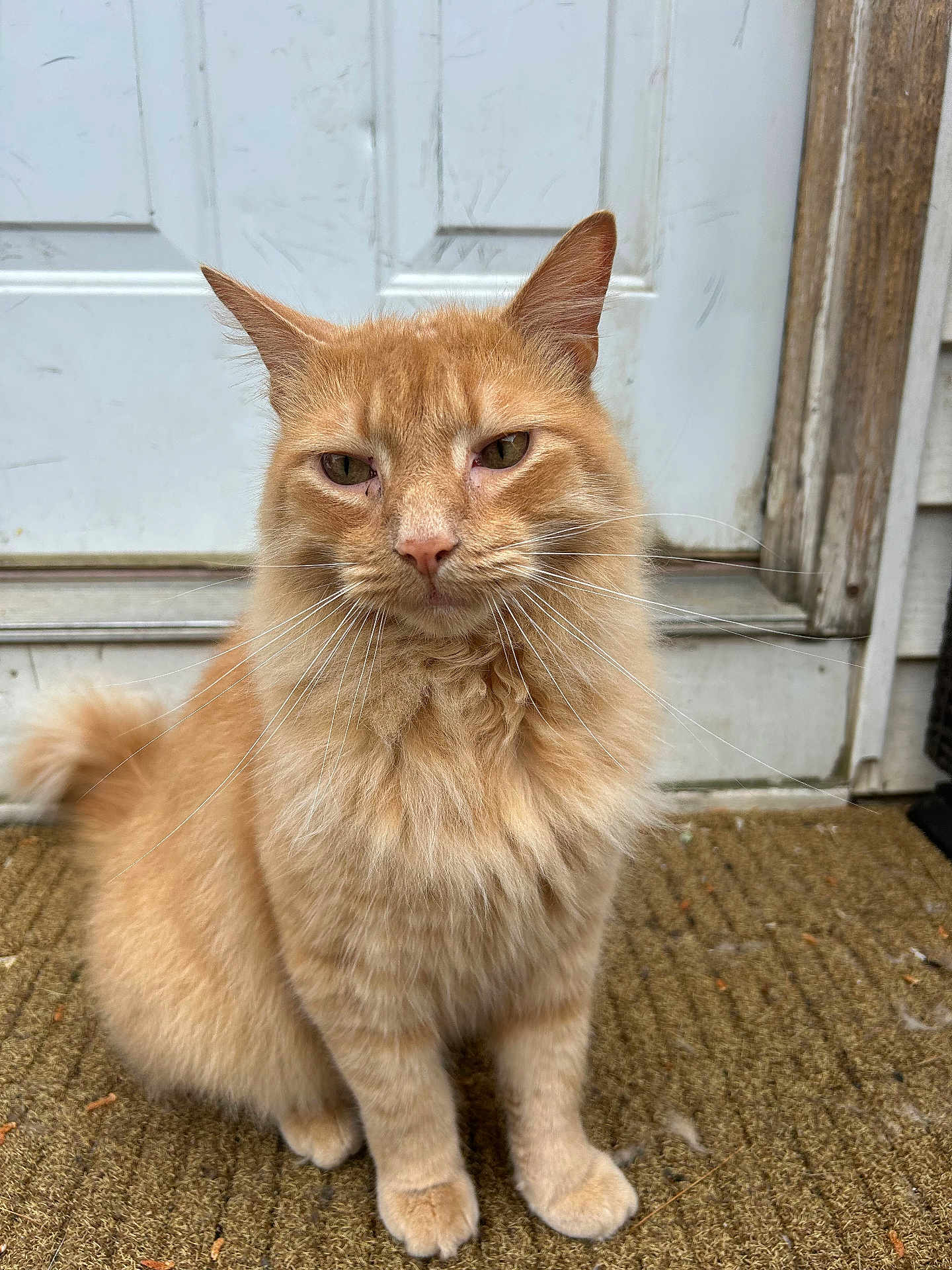
Somali cat prices vary widely across regions and breeders. Expect to pay between $500 and $1,500 for a purebred kitten. Costs include vaccinations, microchipping, and spaying or neutering. Some breeders charge extra for pedigree papers or special coloring. Adoption fees may be lower at shelters or rescues but come with fewer guarantees. Budget for food, toys, and vet visits after adoption. Remember, initial costs are just part of lifelong care expenses.
Credit: www.kingpet.uk
Frequently Asked Questions
What Are The Key Traits Of Somali Cat Breeds?
Somali cats are known for their playful, intelligent, and social nature. They have a soft, ticked coat and bushy tails. Their energetic personality makes them great companions for active households.
How Do Somali Cats Differ From Abyssinians?
Somali cats are long-haired versions of Abyssinians. They share similar ticked fur patterns but Somalis have a fuller coat. Both breeds are active and affectionate but Somalis require more grooming.
Are Somali Cats Good With Children And Pets?
Yes, Somali cats are friendly and adapt well to families. They enjoy interactive play and coexist peacefully with children and other pets. Their social nature makes them ideal family pets.
What Is The Grooming Routine For Somali Cats?
Somali cats need regular brushing to prevent matting due to their long fur. Weekly grooming helps keep their coat healthy and reduces shedding. Bathing is rarely necessary unless they get dirty.
Conclusion
Somali cats bring charm and energy to any home. Their soft fur and playful nature make them great pets. They enjoy attention but also like quiet moments. Understanding their needs helps keep them happy and healthy. These cats fit well in families or alone.
Caring for a Somali cat is rewarding and fun. Choose one to add joy and life to your days.
