

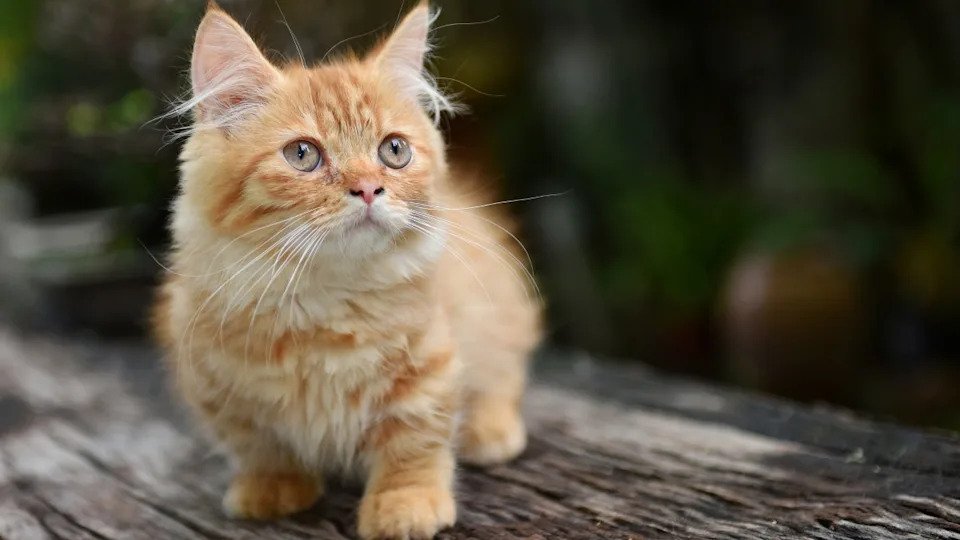
Imagine having a feline friend that stays kitten-sized forever. Tiny cat breeds offer just that—a bundle of joy that fits perfectly in your lap.
These miniature marvels are not only adorable but also full of personality and charm. Are you curious about which breeds stay small and what makes them so special? You’re about to discover the world of petite purr-fection that can transform your home and heart.
Prepare to fall in love with these little wonders and learn why they might be the perfect pet for you. Keep reading, and let the cuteness unfold!
Credit: www.chipchick.com
Popular Tiny Cat Breeds
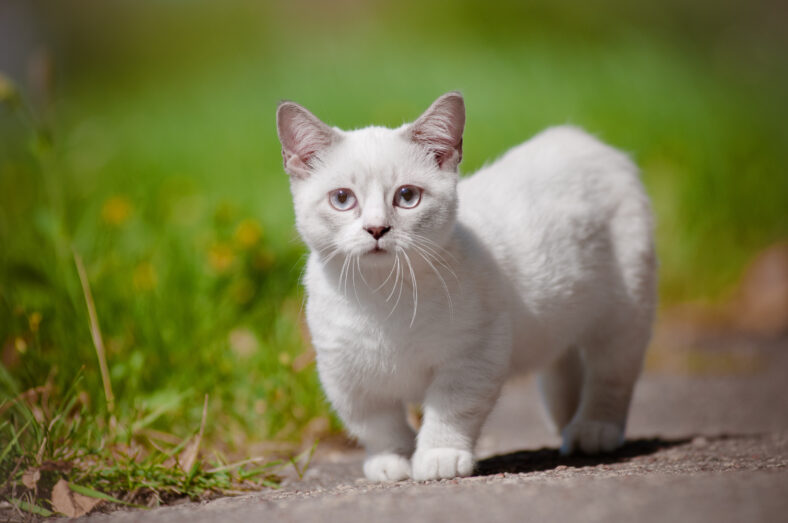
Tiny cat breeds charm many pet lovers. Their small size fits well in apartments and cozy spaces.
These cats often have unique looks and playful personalities. They bring joy without needing much room.
Below are some popular tiny cat breeds known for their size and character.
Singapura
The Singapura is one of the smallest cat breeds. It weighs around 4 to 8 pounds only.
This breed has large eyes and ears with a ticked coat. It is active and loves to explore.
Minskin
Minskin cats are tiny with short legs and a soft coat. They combine the features of Munchkin and Sphynx cats.
These cats are friendly and enjoy human company. Their unique look makes them stand out.
Dwelf
Dwelf cats have curled ears, short legs, and a curly coat. They come from crossing Minskin, Sphynx, and American Curl breeds.
They are playful and love attention. Their unusual ears and size attract many cat fans.
Bambino
Bambino cats have no fur and short legs. They are a mix of Munchkin and Sphynx breeds.
These cats are affectionate and enjoy warmth. Their tiny bodies and big ears give them a cute look.
Traits Of Petite Cats
Petite cats have a charm all their own, marked by distinct traits that make them stand out in any feline crowd. Understanding these characteristics can help you decide if a tiny cat breed fits your lifestyle and home. Let’s break down what makes these small cats so special.
Size And Weight
Petite cats typically weigh between 5 to 8 pounds, making them much smaller than average cats. Their compact bodies often come with delicate bone structures and fine features. Despite their small size, many petite cats are surprisingly strong and agile.
Have you noticed how a tiny cat can squeeze into places where larger cats wouldn’t even try? That’s a common trait that adds to their playful and curious nature.
Temperament
Small cats tend to have big personalities. Many petite breeds are affectionate and enjoy close bonds with their owners. They often seek attention but can also be independent when they want some quiet time.
Some petite cats are known for their playful energy, turning your home into their personal playground. Others may be more reserved, preferring a calm and peaceful environment. Understanding your cat’s temperament helps you create a happy home for both of you.
Health Considerations
Smaller cats can be prone to specific health issues, often related to their size. Dental problems and fragile bones are more common in petite breeds, so regular vet check-ups are essential.
You might want to pay close attention to their diet and activity levels to avoid obesity or malnutrition. Have you thought about how your cat’s small frame might need special care compared to larger breeds?
Living With Small Cats
Living with small cats offers a unique experience that blends charm with practicality. These tiny companions fit easily into your life and home, but they still have specific needs you must meet. Understanding their space, activity, and diet requirements will help you provide a happy, healthy environment for your petite feline friend.
Space Requirements
Small cats don’t need sprawling spaces, but they do require cozy, defined areas to feel secure. You can easily create comfortable spots using shelves, cat trees, or window perches that suit their size.
Think about vertical space as well. Small cats love climbing and exploring heights, which can save floor space and keep them entertained.
Activity Levels
Despite their size, tiny cats often have high energy bursts. You’ll notice quick dashes and playful antics that need outlets to prevent boredom.
Provide interactive toys like feather wands or laser pointers. These keep your cat mentally and physically active without demanding much room.
Diet And Nutrition
Small cats have fast metabolisms and need nutrient-rich food in appropriate portions. Feeding too much can lead to obesity, while too little affects their energy and health.
Choose high-quality cat food designed for small breeds or kittens. Monitor their weight regularly and adjust meals based on their activity and growth.

Credit: www.yahoo.com
Choosing The Right Tiny Cat
Choosing the right tiny cat involves more than just picking a small breed. Each cat has a unique personality and care needs. Understanding these factors helps you find a pet that fits your life. Think about your home environment, allergies, and where you get your cat. These details affect your happiness with your new friend.
Matching Personality
Tiny cats come with many personalities. Some are playful and energetic. Others are calm and cuddly. Think about your daily routine and energy level. A lively cat needs time and play. A quiet cat fits a peaceful home better. Consider if you want a cat that loves attention or one that is more independent.
Allergies And Sensitivities
Allergies can make having a cat hard. Some tiny breeds produce less dander. These breeds might cause fewer allergy problems. Spend time around cats before choosing one. Notice if you sneeze or your eyes get itchy. Talk to a doctor if you have strong allergies. This helps keep you and your cat healthy.
Adoption Vs Breeders
Adoption gives a home to cats in need. Shelters often have small cats looking for families. Adopted cats may come with some training. Breeders offer specific tiny breeds. This choice might cost more. Breeders can share health history and traits. Both options have good points. Think about what fits your values and needs best.
Care Tips For Petite Pets
Taking care of tiny cat breeds needs special attention. Their small size means they have delicate needs. Proper care helps them stay happy and healthy. Focus on grooming, health checks, and play. These areas keep petite pets strong and joyful.
Grooming Needs
Small cats often have fine fur that requires gentle care. Brush them regularly to avoid mats and tangles. Use a soft brush suited for their fur type. Check their ears and eyes for dirt. Clean gently with a damp cloth. Trim their nails carefully to prevent scratching injuries. Bathing should be rare unless they get very dirty. Keep their fur dry and clean to prevent skin problems.
Preventive Health Care
Regular vet visits are important for tiny cats. Small pets can get sick quickly. Vaccinations protect against common diseases. Deworm them as advised by your vet. Watch for signs of illness like loss of appetite or lethargy. Keep their living area clean to reduce infection risks. Tiny cats need a balanced diet with proper nutrients. Monitor their weight to avoid obesity or underweight issues.
Enrichment And Play
Playtime is vital for small cats’ mental and physical health. Provide toys that are safe and easy to handle. Interactive toys keep them engaged and prevent boredom. Use puzzle feeders to stimulate their minds. Create small climbing spaces and cozy hideouts. Spend time playing daily to build trust and bond. Rotate toys to keep their interest alive. Avoid toys with small parts that can be swallowed.
Credit: worldanimalfoundation.org
Frequently Asked Questions
What Are The Most Popular Tiny Cat Breeds?
Popular tiny cat breeds include the Singapura, Minskin, and Dwelf. These cats are known for their small size and charming personalities. They make ideal pets for those with limited space or who prefer smaller companions.
How Small Do Tiny Cat Breeds Usually Get?
Tiny cat breeds typically weigh between 4 to 7 pounds. Their height ranges from 6 to 8 inches at the shoulder. These cats maintain normal health despite their petite stature and are active and playful.
Are Tiny Cat Breeds Good For Apartment Living?
Yes, tiny cat breeds adapt well to apartment living. Their small size means they need less space to roam. They are also generally quiet and sociable, making them perfect indoor pets.
What Special Care Do Tiny Cat Breeds Require?
Tiny cats need regular veterinary check-ups to monitor health. They may require a balanced diet suited for small breeds. Gentle handling is important due to their delicate size and bone structure.
Conclusion
Tiny cat breeds offer charm and companionship in small packages. They fit well in apartments or small homes. Their playful and gentle nature makes them great pets. Choosing the right tiny cat means thinking about your lifestyle. These little cats bring joy without needing much space.
Caring for them is simple but important. They can brighten your days with their unique personalities. Small size does not mean less love or fun. Tiny cats prove that great things come in small forms. Consider a tiny cat for a loving, lively friend.
