


Imagine having a little piece of the wild right in your living room. That’s what adopting a serval cat can feel like.
These exotic, sleek creatures with their striking coats and long legs are captivating, and it’s no wonder you’re curious about bringing one into your home. But before you make this exciting decision, there are important things you need to know.
What does it really mean to adopt a serval cat? How will it fit into your life? By understanding the unique needs and characteristics of serval cats, you can decide if this extraordinary pet is the right addition for you. Keep reading to uncover everything you need to know about serval cat adoption, and how you can prepare to give one of these magnificent animals a loving home.
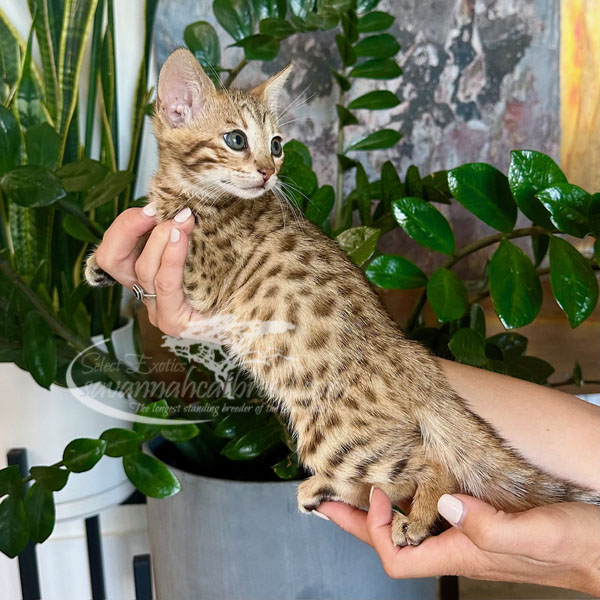
Credit: savannahcatbreed.com
Serval Cat Basics
Understanding the basics of serval cats is essential before considering adoption. These wild cats have unique characteristics that set them apart from typical domestic pets. Knowing their features, natural environment, and behavior will help you decide if a serval fits your lifestyle and how to care for one responsibly.
Physical Features
Serval cats are medium-sized wild cats with long legs and large ears, built for agility and excellent hearing. They typically weigh between 20 to 40 pounds, making them larger than most domestic cats. Their striking coat has bold black spots and stripes on a golden-yellow background, providing natural camouflage in the wild.
One detail many overlook is their long neck, which helps them scan tall grass for prey. Their sharp claws and teeth are designed for hunting, so they require careful handling. Have you ever seen a domestic cat with such an impressive build and wild beauty?
Natural Habitat
Servals are native to the African savannas, wetlands, and grasslands, where tall grasses and water sources abound. They prefer environments that offer dense cover for stalking prey and open spaces for sprinting. This habitat shapes their behavior and physical traits, making them excellent hunters.
Living in such diverse environments means servals are adaptable but also sensitive to changes. If you adopt one, you need to simulate aspects of their natural habitat, like providing space to roam and areas to hide. Could your home environment meet these needs consistently?
Behavior Traits
Servals are known for their curious and energetic nature. They are solitary animals in the wild but can form bonds with humans when socialized early. Their hunting instinct is strong, so they often pounce and stalk, even during play.
- They communicate through chirps, purrs, and hisses rather than meows.
- Servals enjoy climbing and jumping, sometimes reaching heights up to 8 feet.
- They require mental and physical stimulation to avoid boredom and stress.
Owning a serval means embracing their wild side and meeting their complex needs. Do you have the time and space to engage with such an active and independent companion?
Legal Considerations
Adopting a serval cat requires careful attention to legal matters. These wild cats are not typical pets and are often regulated by strict laws. Understanding these rules helps avoid fines and ensures the animal’s welfare. Every region has different regulations regarding serval cat ownership.
Pet Ownership Laws
Many places ban serval cats as pets due to safety and environmental concerns. Some states or countries allow ownership but under strict conditions. Laws vary widely, so checking local and national rules is essential. Violating pet ownership laws can lead to confiscation or penalties.
Permits And Licensing
In areas where serval cats are legal, permits usually are required. These licenses confirm the owner has proper facilities and knowledge. The process may involve inspections, fees, and paperwork. Keeping permits up to date is critical to avoid legal issues.
Import And Export Rules
Transporting serval cats across borders involves complex regulations. Many countries require health certificates and customs declarations. Some may prohibit import or export altogether. Following these rules protects the cat’s health and prevents legal trouble.
Finding A Serval Cat
Finding a serval cat to adopt is an exciting journey, but it demands careful research and patience. Servals are unique wild cats with specific needs, so ensuring you get your pet from a trustworthy source is crucial. Let’s look at how you can find a serval cat responsibly and avoid common pitfalls.
Reputable Breeders
Look for breeders who specialize in servals and have a solid reputation. They should provide health records, proper documentation, and be open about the cat’s background. Visiting a breeder in person helps you see the living conditions and ask questions directly.
Ask about the serval’s diet, socialization, and any challenges previous owners faced. A responsible breeder will also guide you on legal requirements and care tips. Have you checked if the breeder is registered with recognized exotic animal associations?
Rescue Organizations
Some servals end up in rescue centers due to owners unable to meet their needs. These organizations often have servals ready for adoption and can offer valuable support. Rescuing a serval gives you the chance to provide a second home to an animal in need.
Contact exotic animal rescues or sanctuaries in your area and ask about serval availability. They will also inform you about the serval’s temperament and any special care required. How prepared are you for the responsibility of adopting a wild cat from a rescue?
Avoiding Scams
Scammers frequently target exotic pet buyers due to high demand and prices. Be wary of deals that seem too good to be true or sellers who avoid questions. Always verify the legitimacy of the seller through reviews, references, and official permits.
Never send money without a proper contract and proof of ownership. If a seller pressures you for quick payment or refuses an in-person meeting, consider it a red flag. How will you verify the authenticity of the serval and the seller before finalizing your adoption?

Credit: carolinatigerrescue.org
Preparing Your Home
Preparing your home for a serval cat requires thoughtful planning and attention to detail. These wild cats have unique needs that differ greatly from typical domestic pets. Creating a space that keeps them safe, entertained, and comfortable is essential for a successful adoption.
Secure Enclosures
Servals are excellent jumpers and climbers, so your enclosure must be sturdy and tall enough to prevent escapes. Aim for at least 10 feet high with a secure roof, because servals can leap over fences that are lower.
Use strong materials like heavy-gauge wire or steel mesh. Double-check all gates and latches to make sure they close tightly and can’t be pushed open by a clever serval.
Do you have a dedicated outdoor space? If so, ensure it is fully enclosed to protect your serval from dangers outside and prevent it from wandering off.
Enrichment And Toys
Keeping a serval mentally and physically stimulated is crucial to its well-being. Provide a variety of toys that encourage natural behaviors like stalking, pouncing, and climbing.
- Interactive toys such as feather wands and laser pointers
- Durable balls and puzzle feeders to challenge their minds
- Climbing structures and platforms for exercise and exploration
I found that rotating toys every few days keeps my serval interested and prevents boredom. Have you thought about how you’ll keep your new pet engaged daily?
Safety Measures
Servals require a safe environment free from hazards. Remove toxic plants, secure electrical cords, and keep small objects out of reach to prevent accidental ingestion.
Make sure your household members understand serval behavior and safety rules. These cats are wild at heart and may react unpredictably if startled.
Consider installing surveillance cameras to monitor your serval when you’re not around. It helps catch any unusual behavior early and gives you peace of mind.
Feeding And Diet
Feeding a serval cat requires careful attention to its natural diet and nutritional needs. This wild feline has unique dietary demands that differ from domestic cats. Understanding its feeding habits ensures a healthy and happy pet. Proper diet supports energy, growth, and overall well-being.
Nutritional Needs
Serval cats need a diet rich in protein and moisture. Their wild diet mostly includes small mammals, birds, and insects. Protein helps build strong muscles and supports their active lifestyle. Fat provides essential energy. Carbohydrates should be minimal as servals are carnivores. Vitamins and minerals like calcium and taurine are vital for healthy bones and heart function.
Feeding Schedule
Feed your serval twice a day to match their natural hunting routine. Offer fresh food at regular times to maintain digestion and energy. Avoid free feeding, which can cause obesity. Portion control is important to prevent overeating. Watch their behavior and adjust food amounts as needed.
Supplements And Treats
Supplements may be necessary to provide missing nutrients. Calcium and taurine supplements support bone and heart health. Use supplements recommended by a vet experienced with exotic pets. Treats should be given sparingly and be healthy. Small amounts of cooked meat or insects work well as treats. Avoid sugary or processed snacks that harm serval health.
Health Care
Proper health care is crucial for serval cats in captivity. These wild cats need special attention to stay healthy and happy. Knowing common health issues, necessary vaccinations, and finding the right vet helps owners provide the best care possible. Good health care increases a serval’s quality of life and longevity.
Common Health Issues
Serval cats may face several health problems. Some common issues include:
- Parasites like fleas and ticks
- Respiratory infections
- Dental disease
- Obesity due to improper diet
- Injuries from jumping or climbing
Early detection and treatment help prevent serious complications. Regular check-ups are essential to catch problems early.
Vaccinations
Vaccinations protect servals from dangerous diseases. Core vaccines include:
- Rabies
- Feline distemper (panleukopenia)
- Feline calicivirus
- Feline herpesvirus
Vaccines should follow a schedule advised by a vet. Some vaccines may differ based on regional risks.
Finding Exotic Veterinarians
Exotic vets specialize in wild and non-traditional pets. They understand servals’ unique needs. To find one:
- Search online for exotic animal clinics
- Ask local wildlife or animal rescue centers
- Check with serval cat owner groups
Choosing a skilled exotic vet ensures expert care. They can provide proper treatments and advice specific to servals.
Training And Socializing
Training and socializing a serval cat are key for a happy and safe home. These wild cats need guidance to adapt to living with humans. Early efforts make a big difference in their behavior and comfort.
Behavioral Training
Start training a serval cat with simple commands. Use clear, consistent signals and rewards. Focus on basic behaviors like coming when called and using a litter box. Keep sessions short and positive. Avoid harsh punishment to prevent fear or aggression.
Social Interaction
Servals require gentle and regular social interaction. Spend time playing and talking softly to build trust. Introduce family members slowly to avoid stress. Let the cat explore new people and environments at its own pace. Positive experiences help the serval feel safe and loved.
Handling Challenges
Expect challenges like scratching and jumping. Use scratching posts and toys to redirect energy. Be patient during setbacks. Watch for signs of stress such as hiding or growling. Seek advice from exotic pet experts if behavior worsens. Consistency and understanding ease the adjustment process.
Costs Of Ownership
Owning a serval cat is a serious commitment, especially when it comes to finances. Understanding the costs involved can help you prepare better and avoid surprises. You might think the price tag stops at adoption, but the reality is far more complex.
Initial Expenses
Getting your serval home involves several upfront costs. Adoption or purchase fees alone can range from $1,500 to over $4,000 depending on the breeder or rescue. Then, there’s the setup for their habitat—think tall, sturdy enclosures, climbing structures, and secure outdoor space.
Don’t forget about essential supplies like litter boxes, feeding bowls, and specialized toys. Veterinary exams and vaccinations add to your initial budget, often costing several hundred dollars. Have you calculated what it truly takes to create a safe, enriching environment right from day one?
Ongoing Costs
Monthly expenses for a serval cat can be surprisingly high. Their diet includes fresh meat and supplements, which can easily add up to $100 or more each month. Regular vet checkups, parasite prevention, and grooming supplies also require steady spending.
Additionally, servals need mental and physical stimulation to stay healthy, so investing in new toys and enrichment activities is vital. If you travel, consider the cost of a pet sitter or boarding facility familiar with exotic cats. How will you budget for these continuous needs without compromising your serval’s well-being?
Emergency Funds
Unexpected health issues can strike at any time. Emergency vet visits for servals often cost thousands of dollars due to their exotic nature and specialized care requirements. Setting aside an emergency fund before adoption is not just wise—it’s essential.
Think about how you would handle sudden illnesses or injuries. Would you be able to provide immediate care without financial strain? Preparing for these possibilities ensures your serval will always get the help it needs, no matter what.
Ethical Concerns
Adopting a serval cat may seem exciting, but it raises important ethical concerns you should carefully consider. These concerns touch on the bigger picture—how serval adoption affects the environment, the animals themselves, and the responsibilities placed on you as an owner. Understanding these issues helps you make a choice that respects both wildlife and your own ability to care for such a unique pet.
Wildlife Impact
Serval cats are wild animals native to African savannas. Removing them from their natural habitat can disrupt local ecosystems and reduce wild populations. When you choose to adopt, ask yourself: am I contributing to a demand that encourages illegal wildlife trade or habitat destruction?
Wild-caught servals often suffer due to poor capture methods and transport conditions. This not only harms the individual animal but also threatens the species’ survival in the wild. Supporting captive-bred servals from reputable sources is a step toward minimizing these impacts.
Animal Welfare
Servals have complex physical and emotional needs that are tough to meet in a home setting. They require vast space to roam, hunt, and express natural behaviors, which few homes can provide adequately. Many owners underestimate the stress and health issues servals face outside their natural environment.
Think about the animal’s quality of life before adoption. Can you offer an environment where your serval can thrive? Often, even the best intentions don’t prevent behavioral problems or suffering caused by confinement and isolation.
Responsible Ownership
Owning a serval demands more than just food and shelter; it requires commitment to lifelong care and safety precautions. You must be prepared for specialized veterinary care, legal permits, and potential challenges with neighbors or local authorities.
Consider your lifestyle carefully. Are you ready to handle a large, wild cat that might not behave like a typical pet? Responsible ownership means acknowledging these challenges and planning accordingly to prevent harm to both the serval and your community.

Credit: www.savannahlux.com
Frequently Asked Questions
What Are The Legal Requirements For Serval Cat Adoption?
Legal requirements vary by location. Most places require permits or licenses. Always check local laws before adopting a serval cat to ensure compliance and avoid penalties.
How Much Does Adopting A Serval Cat Cost?
Serval cat adoption costs range from $1,500 to $4,000. Additional expenses include habitat setup, diet, and veterinary care. Budget carefully before deciding.
What Special Care Do Serval Cats Need?
Servals need large enclosures, a high-protein diet, and regular vet visits. They require mental stimulation and plenty of space to roam safely.
Can Serval Cats Live With Other Pets?
Servals may not coexist peacefully with smaller pets. Early socialization helps, but supervision is essential to prevent conflicts or injuries.
Conclusion
Adopting a serval cat needs careful thought and planning. These wild cats require special care and space to stay happy. Make sure you understand their needs and lifestyle before adopting. Giving them a safe and loving home makes a big difference.
Serval cats can be wonderful pets with the right attention. Choose adoption wisely and be ready for a unique journey. Your care helps these beautiful animals thrive in a new life.
