


Adopting a cat is an exciting adventure filled with love and companionship. But before you bring your new furry friend home, there’s one important step you need to complete: the adoption paperwork.
This might sound daunting, but don’t worry! Understanding this process can make your adoption journey smoother and more enjoyable. Imagine the joy of having your new cat purring on your lap, knowing you’ve given them a forever home. It all starts with a few essential documents.
Whether you’re a first-time adopter or a seasoned pet owner, knowing what to expect can save you time and prevent unexpected surprises. We’ll guide you through everything you need to know about cat adoption paperwork. From understanding the forms to knowing your rights, we’ll help you feel confident and prepared. Ready to turn the page on this important chapter? Let’s dive into the details that will bring you one step closer to your purr-fect companion.
Credit: www.etsy.com
Choosing The Right Shelter
Choosing the right shelter is key to a smooth cat adoption experience. Each shelter offers different types of cats and adoption processes. Picking a place that fits your needs and values helps ensure a happy home for your new cat.
Types Of Adoption Centers
Shelters vary widely. Some focus on stray cats, others on specific breeds. You will find:
- Municipal shelters run by local governments
- Private non-profits focusing on rescue and rehabilitation
- Breed-specific rescues for purebred cats
- Foster networks where cats live in homes before adoption
Understanding these differences helps you choose the best place to adopt.
Researching Shelter Reputation
Check reviews on websites and social media. Look for shelter cleanliness and staff kindness. See if they provide proper medical care and vaccinations. Ask about their policies on cat care and return options. A good reputation means a safer, more reliable adoption.
Visiting And Meeting Cats
Visit the shelter to see the cats and environment. Observe the cats’ behavior and health. Spend time with cats that interest you. Talk with staff about the cat’s personality and history. This visit helps you find the cat that fits your lifestyle and home.
Preparing Required Documents
Preparing the required documents is a key part of adopting a cat. Shelters and adoption centers need proof to ensure the adopter can provide a safe and stable home. Gathering these papers early makes the process smoother and faster. It shows responsibility and helps build trust with the adoption team.
Identification And Proof Of Residence
Adopters must show valid ID to confirm their identity. Common documents include a driver’s license or passport. Proof of residence verifies where the cat will live. Utility bills, lease agreements, or mortgage statements work well. These papers confirm the adopter’s address and help avoid future issues.
Financial Responsibility Papers
Adopting a cat requires financial commitment. Some shelters ask for proof of income or employment. This evidence shows the adopter can afford food, vet visits, and other costs. Pay stubs, bank statements, or job letters often fulfill this need. This step protects the cat’s well-being in a new home.
Previous Pet Ownership Records
Some centers request details about past pets. This includes vet records or adoption papers. It helps assess the adopter’s experience with animals. Showing good care in the past can speed up approval. It also reassures the shelter that the adopter understands pet needs.
Filling Out Adoption Forms
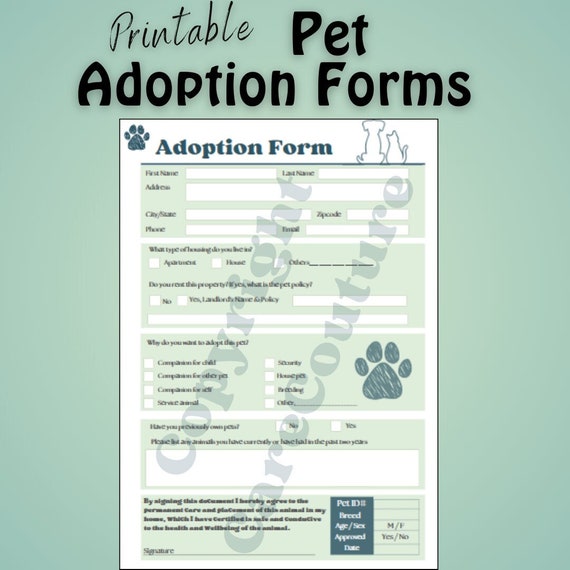
Filling out adoption forms is an important step in welcoming a cat into your home. This process helps shelters understand your lifestyle and ensures the pet matches your needs. The forms collect key details about you and your home, which support a smooth adoption experience.
Personal Information Section
This section asks for your basic details like name, address, phone number, and email. Shelters use this information to contact you and verify your identity. Providing accurate data speeds up the adoption process and builds trust.
Pet Preference And Lifestyle Questions
Expect questions about the type of cat you want and your daily routine. Shelters ask about your home environment, family members, and other pets. These answers help match you with a cat that suits your lifestyle and space.
Agreement Terms And Conditions
This part outlines your responsibilities as a cat owner. You agree to provide proper care, medical attention, and a safe home. Reading this section carefully ensures you understand the commitment before adopting.

Credit: www.jotform.com
Understanding Adoption Fees
Understanding adoption fees is key to preparing for bringing a new cat into your home. These fees are more than just a price tag—they reflect the care, health, and future well-being of your new feline friend. Knowing what you’re paying for helps you feel confident and ready to welcome your pet.
Typical Fee Breakdown
Adoption fees usually cover several important services and costs. You can expect fees to include:
- Spaying or neutering:This surgery prevents unwanted litters and contributes to your cat’s health.
- Vaccinations:Essential shots protect your cat from common and dangerous diseases.
- Microchipping:A tiny implant that helps reunite lost pets with their owners.
- Basic medical care:Initial health check-ups and treatment for any minor illnesses.
- Food and supplies:Sometimes shelters include starter packs with food or litter.
These components make the fee more than just a purchase—it’s an investment in your cat’s health and safety.
What Fees Cover
Beyond the medical and care essentials, adoption fees support the shelter’s ongoing work. Your payment helps cover:
- Staff salaries who care for the animals daily.
- Facility maintenance costs to provide a safe, clean environment.
- Rescue and rehabilitation of other animals in need.
Think about it this way: your fee contributes to a larger mission of animal welfare and rescue. That’s a meaningful way to make a difference, even beyond your new pet.
Fee Waivers And Discounts
If the fee seems daunting, don’t hesitate to ask about waivers or discounts. Many shelters offer reduced fees for:
- Seniors or veterans
- Adoption events or special promotions
- Multiple pet adoptions at once
Some organizations even waive fees for cats with special needs or those that have been in the shelter longer. Would you be surprised how often shelters want to make adoption affordable? It’s always worth asking—you might be able to bring home your furry friend without a full fee.
Home Visits And Interviews
Adopting a cat is an exciting journey, but it involves more than just filling out forms. Many shelters and rescue groups conduct home visits and interviews to ensure the environment suits the cat’s needs. These steps help protect the animal and make sure you’re ready for the responsibility ahead.
Purpose Of Home Checks
Home checks allow adoption counselors to see your living space firsthand. They look for potential hazards like exposed wires or toxic plants that could harm a curious cat. This visit also helps confirm that your home has enough space and quiet areas for the cat to feel safe and comfortable.
These visits aren’t about invading your privacy—they are about safeguarding the cat’s well-being. Have you thought about how your daily routine and living conditions might affect a new pet? This is the perfect moment to reflect on that.
Preparing Your Home
Before the visit, tidy up areas where the cat might spend time. Clear clutter and secure fragile items that could be knocked over. Make sure you have basic supplies ready, like a litter box, food bowls, and a cozy bed.
Consider what rooms you’ll allow the cat to explore initially. Some adopters create a “safe room” to help the cat adjust gradually. Have you identified a quiet corner in your home where your new pet can retreat?
Common Interview Questions
During interviews, expect questions about your lifestyle, experience with pets, and your plans for the cat’s care. You might be asked how many hours you work, your knowledge of cat behavior, or how you would handle emergencies.
These questions help the shelter match you with the right cat and prepare you for challenges ahead. Think about your answers honestly—what would you say if asked how you’d keep a cat entertained indoors?
Credit: www.etsy.com
Finalizing The Adoption
Finalizing the adoption is the moment when your new feline friend officially becomes part of your family. This stage involves some important paperwork and steps to ensure everything is clear and your cat’s health and well-being are prioritized. Paying close attention here will make your transition smoother and set a solid foundation for your life together.
Signing The Contract
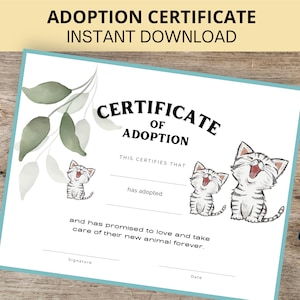
The adoption contract outlines your responsibilities and the shelter’s policies. It covers care expectations, return policies, and sometimes spaying or neutering requirements. Reading this document carefully helps you understand what’s expected and protects both you and the cat.
Don’t hesitate to ask questions if any part of the contract seems unclear. Signing it confirms your commitment and finalizes the adoption process.
Receiving Medical Records
Medical records provide a history of your cat’s health, including vaccinations, treatments, and any medical conditions. Having these documents gives you a clear picture of your cat’s current health status and helps you prepare for future care.
Keep these records handy for vet visits and emergencies. They also offer peace of mind knowing you’re fully informed about your cat’s medical background.
Scheduling Follow-up Visits
Follow-up visits with a veterinarian are crucial after adoption. They allow you to check your cat’s adjustment to the new environment and address any health concerns early.
Set these appointments soon after adoption to ensure your cat is settling in well and stays healthy. This proactive approach helps you build a strong bond and catch potential issues before they become serious.
Tips For A Smooth Transition
Adjusting to a new home can be overwhelming for a cat. You want the transition to be as smooth as possible to help your feline friend settle comfortably. Focusing on transport, home introduction, and early care sets a strong foundation for your life together.
Transporting Your New Cat
Use a sturdy, well-ventilated carrier to keep your cat safe during the trip. Place a soft blanket or towel inside to provide comfort and familiar scents. Avoid loud noises and sudden movements; speak gently to reassure your cat along the way.
Have you noticed how your cat reacts to the carrier? Leaving it out at home before the trip can reduce anxiety because your cat will associate it with safety rather than confinement.
Introducing To Your Home
Start by confining your cat to a small, quiet room with essentials like food, water, and a litter box. This controlled space helps them feel secure while they explore their new environment.
Let your cat approach you on their terms—forcing interaction can increase stress. Using interactive toys or soft treats encourages positive associations with you and the new surroundings.
Initial Care And Observation
Monitor your cat closely for signs of stress or illness during the first few days. Look for changes in appetite, litter box habits, or unusual hiding spots. Early detection allows prompt care and reduces potential health issues.
Keep a consistent routine with feeding and playtimes to build trust and stability. Have you prepared a quiet spot where your cat can retreat if feeling overwhelmed? This simple space can make a big difference in their comfort level.
Frequently Asked Questions
What Documents Are Needed For Cat Adoption Paperwork?
You typically need a valid ID, proof of residence, and sometimes a vet reference. Adoption forms must be completed, agreeing to care terms. Some shelters require income proof or landlord approval if renting. Always check specific shelter requirements before applying.
How Long Does Cat Adoption Paperwork Take To Complete?
Paperwork usually takes 15 to 30 minutes, depending on shelter policies. Some shelters conduct interviews or home checks, which may extend the process. Completing forms accurately helps speed things up. It’s best to arrive prepared with all required documents.
Can I Adopt A Cat Without Signing Paperwork?
No, signing paperwork is mandatory for legal ownership transfer. It protects both the adopter and the shelter, ensuring proper care. Paperwork includes agreements on pet care, vaccinations, and spaying/neutering. This process ensures responsible adoption and animal welfare.
Is There A Fee Involved In Cat Adoption Paperwork?
Yes, most shelters charge an adoption fee covering vaccinations and care. Fees vary widely, typically ranging from $50 to $150. This fee supports shelter operations and helps cover the cat’s medical expenses. Always confirm fees before starting adoption paperwork.
Conclusion
Adopting a cat brings joy and new responsibility. Paperwork ensures the cat’s safety and your rights. It helps track vaccinations, health, and ownership. Preparing documents ahead makes the process smooth and quick. Keep copies of all forms for future needs.
Understanding paperwork protects both you and the cat. Take time to ask questions at the shelter. This step makes your new friend’s home official. Enjoy your time with your new furry companion!
