

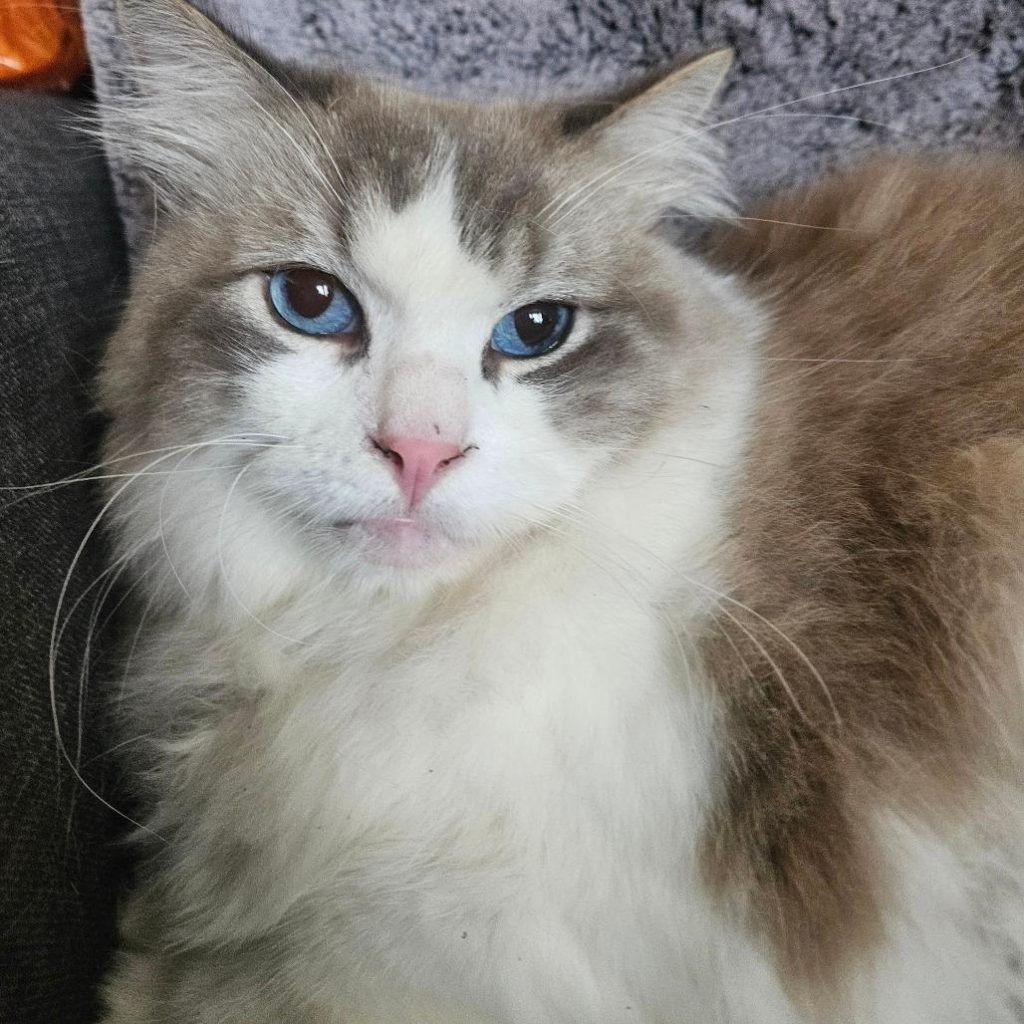
Imagine coming home to a fluffy, blue-eyed companion who greets you with a gentle purr and a soft nuzzle. That’s the kind of heartwarming welcome you can expect when you adopt a Ragdoll cat.
These charming felines aren’t just beautiful; they’re known for their easy-going and affectionate nature. Are you ready for a pet that will fill your home with warmth and joy? Do you long for a cat that will not only be your pet but also your friend?
Discover why adopting a Ragdoll cat might just be the best decision for you and your family. Let’s explore what makes these cats so special and why they could be the perfect addition to your life.
Credit: www.adoptapet.com
Why Choose A Ragdoll Cat
Choosing a Ragdoll cat brings a unique blend of charm and calmness into your home. These cats offer gentle companionship and striking beauty. Their nature makes them ideal pets for many households. Understanding why a Ragdoll stands out helps you make the right choice.
Temperament And Personality
Ragdolls are known for their calm and loving nature. They often follow their owners around the house. These cats enjoy being held and cuddled. They rarely show aggression and are very patient. Their gentle demeanor makes them great for quiet environments. Ragdolls also adapt well to new people and pets.
Physical Traits
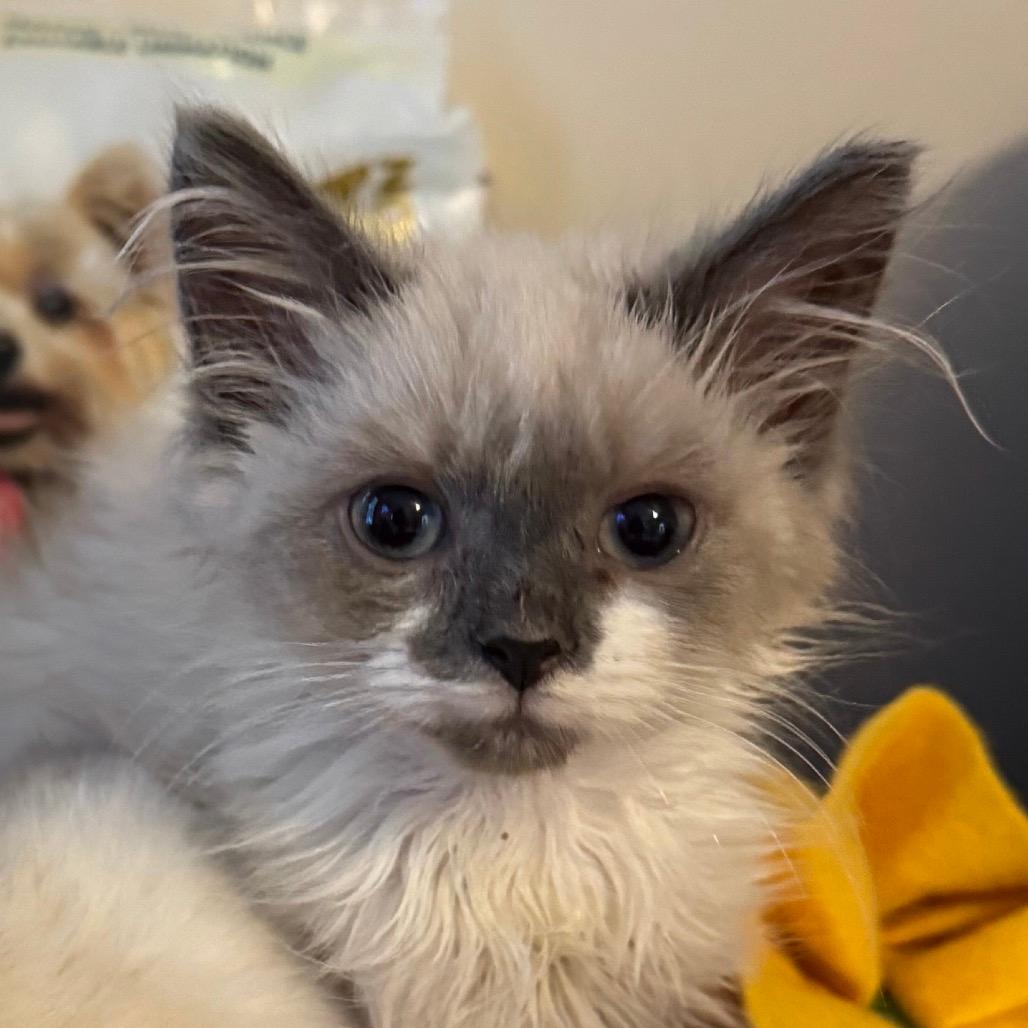
Ragdolls have soft, semi-long fur that feels like silk. Their large, blue eyes are captivating. These cats are bigger than most breeds, with a sturdy build. Their coat colors vary from seal, blue, chocolate, to lilac. They have distinctive color points on their ears, face, paws, and tail. Grooming is simple, with minimal shedding compared to other long-haired cats.
Suitability For Families
Ragdolls fit perfectly into family life. They are gentle with children of all ages. These cats enjoy interactive play but also love to relax. Their calm nature helps reduce stress in busy homes. Ragdolls rarely scratch or bite, making them safe around kids. They thrive in homes where they get plenty of attention and love.
Credit: www.chewy.com
Preparing For Your Ragdoll
Getting ready for a Ragdoll cat means making sure your home welcomes them warmly. These cats enjoy calm and comfort. Preparing ahead helps your new pet settle fast. Creating a smooth start builds trust and happiness for both.
Necessary Supplies
Gathering supplies before your Ragdoll arrives makes life easier. Have these basics ready:
- Soft bed or blanket for cozy naps
- Food and water bowls, sturdy and easy to clean
- High-quality cat food suited for their age
- Litter box with gentle, unscented litter
- Scratching posts to protect furniture
- Toys for play and mental stimulation
- Brush or comb for regular grooming
Creating A Safe Space
Ragdolls love peaceful spots to relax. Choose a quiet corner away from noise and busy areas. Add their bed, litter box, and toys there. Keep the space tidy and comfortable. Avoid sudden loud sounds or bright lights. This helps your cat feel secure and calm.
Choosing A Veterinarian
Find a vet who knows about Ragdolls and cat health. Schedule a checkup soon after adoption. A good vet guides vaccinations, diet, and care. Ask about emergency services and clinic hours. Keep contact info handy for quick help if needed.
Adoption Process Tips
Adopting a Ragdoll cat can bring joy and comfort to your home. The process requires care and attention to find the right companion. Knowing where to search and what to ask helps ensure a happy match. Observing the cat’s health and behavior is also essential before making a decision.
Where To Find Ragdolls
Ragdolls are available through various sources. Reputable breeders focus on the cat’s health and temperament. Animal shelters and rescue groups sometimes have Ragdolls needing homes. Online adoption platforms list cats from trusted places. Visiting local shelters can surprise you with available pets.
Questions To Ask Breeders And Shelters
- How long have you cared for Ragdoll cats?
- Can you provide health records and vaccinations?
- What is the cat’s temperament like?
- Has the cat been socialized with people and other pets?
- Are there any known health issues in the cat’s lineage?
- What is the cat’s daily routine and diet?
- Can I meet the cat’s parents or see where it was raised?
Assessing Cat Health And Behavior
Check the cat’s eyes, ears, and coat for cleanliness. Look for signs of illness like sneezing or coughing. Observe the cat’s movement for any limping or stiffness. Notice how the cat reacts to your presence. A calm and curious cat usually adapts well. Playfulness and gentle behavior indicate good social skills. Ask for a vet check-up before finalizing adoption.
Bringing Your Ragdoll Home
Bringing your Ragdoll cat home is an exciting moment filled with anticipation and joy. This gentle breed is known for its affectionate nature and calm demeanor, making the transition smoother when you prepare thoughtfully. Setting the right environment and expectations will help your new feline friend feel safe and cherished from day one.
First Day Expectations
Your Ragdoll might seem curious yet cautious as they explore their new surroundings. Expect them to hide or stay quiet initially, especially if the environment is busy or noisy. Give them space and quiet time—they’ll open up when they feel secure.
Keep essentials ready: a cozy bed, food and water bowls, litter box, and some toys. These familiar items help your cat settle faster. Have patience; their calm nature means they’ll come to you on their own terms.
Introducing To Family And Other Pets
Introduce your Ragdoll to family members slowly, allowing the cat to approach each person at their own pace. Encourage gentle voices and calm movements to avoid overwhelming them. Watch for signs of comfort or stress and adjust interactions accordingly.
If you have other pets, separate them initially with a closed door or baby gate. Let them sniff and observe each other without direct contact. Gradually increase supervised meetings and reward calm behavior with treats or praise.
Settling In Strategies
- Create a safe space:Choose a quiet room with all essentials where your Ragdoll can retreat anytime.
- Stick to a routine:Feed and play at consistent times to build trust and security.
- Use interactive play:Engage your Ragdoll with gentle toys to build a bond and reduce stress.
- Observe body language:Tail position, ear movement, and vocalizations give clues about their comfort level.
Have you noticed how your Ragdoll responds to new environments or people? Adjusting your approach based on their signals makes all the difference in helping them thrive. Bringing your Ragdoll home is just the beginning of a rewarding journey together.
Daily Care Essentials
Daily care is the backbone of a happy and healthy Ragdoll cat. These gentle giants thrive when their basic needs are met consistently. Paying close attention to their daily routine can make a noticeable difference in their well-being and behavior.
Feeding Guidelines
Ragdolls have a moderate appetite, but quality matters more than quantity. You should feed your cat a balanced diet rich in protein and low in fillers. Dry kibble is convenient, but wet food helps keep them hydrated.
Watch your cat’s weight regularly. Overfeeding can lead to obesity, a common issue with indoor cats. Feeding smaller portions multiple times a day keeps their metabolism steady and prevents begging.
- Choose grain-free or limited ingredient foods if your Ragdoll shows sensitivities.
- Always provide fresh water; some cats prefer running water, so consider a pet fountain.
- Limit treats to 10% of their daily calorie intake to avoid weight gain.
Grooming Needs
Despite their long fur, Ragdolls have a silky coat that doesn’t mat easily, but regular grooming is still essential. Brushing your cat 2-3 times a week reduces shedding and prevents hairballs.
When I started brushing my Ragdoll daily, I noticed less fur on my furniture and a happier, more relaxed cat. Grooming is also a bonding time—your cat will appreciate the attention.
- Use a wide-tooth comb or a soft-bristle brush to avoid pulling on their fur.
- Check ears and eyes for any signs of irritation during grooming sessions.
- Trim nails every couple of weeks to prevent scratching injuries.
Exercise And Playtime
Ragdolls are known for their calm demeanor, but they still need daily exercise to stay fit. Interactive play stimulates their mind and body, helping to prevent boredom and destructive behavior.
Try toys that mimic prey, like feather wands or laser pointers. You might be surprised how much energy your laid-back Ragdoll can have during playtime.
- Set aside 15-20 minutes twice a day for focused play sessions.
- Provide climbing structures or cat trees to encourage jumping and stretching.
- Rotate toys regularly to keep your cat’s interest alive.
Have you noticed your Ragdoll’s favorite type of play? Observing their preferences can guide you in choosing the best activities for them.
Health And Wellness
Ragdoll cats are known for their gentle nature and beautiful looks. Keeping them healthy is key to a happy pet. Health and wellness care helps your cat live a long, active life. Understanding common health issues and regular vet visits keeps problems away. Watch for signs of illness early to act fast and protect your cat.
Common Health Issues
Ragdolls may face some specific health problems. Heart disease called hypertrophic cardiomyopathy (HCM) is common. This condition makes the heart walls thicker than normal. Kidney problems can also occur, especially as they age. Some cats might have bladder stones or urinary tract infections. Regular health checks help catch these issues early. Knowing what to expect helps you care better.
Vaccination And Vet Visits
Vaccinations protect your cat from serious diseases. Core vaccines include feline distemper, calicivirus, and rabies. Keep a vaccination schedule and follow your vet’s advice. Regular vet visits check your cat’s overall health. Your vet can spot problems you might miss. Annual or bi-annual checkups are best for Ragdolls. Early care saves money and prevents pain for your cat.
Signs Of Illness To Watch
- Loss of appetite or sudden weight loss
- Changes in litter box habits
- Excessive scratching or hair loss
- Difficulty breathing or coughing
- Lethargy or hiding more than usual
- Vomiting or diarrhea
- Swelling or lumps on the body
Spotting these signs early helps your vet act quickly. Don’t wait for symptoms to worsen. Your quick response improves your cat’s chances of recovery.
Building A Strong Bond
Building a strong bond with a Ragdoll cat creates a happy and trusting relationship. These gentle cats respond well to patience and care. Understanding their unique behavior helps you connect deeply. Consistent training and playtime grow trust. Socializing and mental activities keep them engaged and content.
Understanding Ragdoll Behavior
Ragdolls are calm and affectionate. They enjoy being held and cuddled. These cats often follow their owners around. They show love with soft purrs and gentle head bumps. They dislike loud noises and sudden movements. Knowing these traits helps you respect their comfort. It builds trust and warmth between you.
Training Tips
Use gentle words and calm tones during training. Reward good behavior with treats or petting. Keep sessions short, about 5 to 10 minutes. Teach simple commands like “come” or “stay.” Be patient; Ragdolls learn at their own pace. Avoid punishment; it may scare your cat. Positive reinforcement strengthens your bond and makes learning fun.
Socializing And Enrichment
Introduce your Ragdoll to new people slowly. Let them explore new environments safely. Provide toys like feather wands and balls for play. Create cozy spots for resting and watching outside. Rotate toys to keep interest high. Playtime and mental challenges reduce stress. A happy cat is a loving companion.

Credit: www.adoptapet.com
Traveling With Your Ragdoll
Traveling with your Ragdoll cat can be a pleasant experience with the right planning. These gentle cats adapt well but need comfort and security. Prepare carefully to make trips smooth and stress-free. Keep your cat’s safety and calmness in mind throughout the journey.
Preparation And Packing
Choose a sturdy, well-ventilated carrier for your Ragdoll. Pack familiar items like a favorite blanket or toy. Include food, water, and a small bowl for meals. Bring a leash and harness for safe outdoor breaks. Prepare a small first-aid kit for emergencies. Make sure your cat’s ID tag is updated and secure.
Car And Air Travel Tips
- Keep the carrier secured with a seatbelt in the car.
- Drive smoothly and avoid sudden stops.
- Offer water during breaks but avoid heavy meals.
- For air travel, check airline pet policies ahead of time.
- Use a soft carrier that fits under the seat on planes.
- Arrive early to handle check-in calmly and slowly.
Keeping Your Cat Calm
Speak softly and offer gentle petting through the carrier door. Use calming sprays or pheromone diffusers designed for cats. Play soothing music or white noise to reduce anxiety. Avoid loud noises and sudden movements near your cat. Monitor your Ragdoll for signs of stress and respond calmly. Frequent breaks on long trips help your cat relax and stretch.
Long-term Commitment
Adopting a Ragdoll cat means welcoming a new family member for many years. These cats are not just pets; they require your attention, love, and care throughout their lives. Understanding the long-term commitment helps you prepare for the joys and challenges ahead.
Lifespan And Aging
Ragdoll cats typically live between 12 to 15 years, with some reaching even older ages when well cared for. Knowing this helps you plan for a lengthy relationship filled with shared memories. As your cat ages, their needs will evolve, making patience and adaptability essential on your part.
Adjusting Care Over Time
Your Ragdoll’s health and behavior will change as they grow older. You may need to switch their diet to support joint health or address weight management. Regular vet visits become more important to catch any issues early, ensuring your cat enjoys a comfortable life.
Think about how you will handle changes in your daily routine to accommodate your cat’s needs. Will you have time to provide extra grooming or medication if necessary? These practical questions are key to responsible pet ownership.
Planning For Emergencies
Emergencies can happen at any time, so having a plan is crucial. Keep a list of emergency vets and contacts handy. Also, prepare a basic first-aid kit for your cat and know the signs of distress or illness that require immediate attention.
Ask yourself: do you have a trusted friend or family member who can care for your Ragdoll if you are unavailable? Preparing for unexpected events protects your cat’s wellbeing and eases your worries.
Frequently Asked Questions
What Are The Key Traits Of Ragdoll Cats?
Ragdoll cats are gentle, affectionate, and social. They have striking blue eyes and semi-long fur. They enjoy human company and adapt well to indoor living. These cats are known for their relaxed temperament and floppy, limp body when held.
How Do I Prepare My Home For A Ragdoll Cat?
Create a safe, comfortable space with a cozy bed and toys. Ensure scratching posts and clean litter boxes are available. Remove hazards like toxic plants and small objects. Ragdolls appreciate interactive play and regular grooming to keep their fur healthy.
Are Ragdoll Cats Good For Families?
Yes, Ragdolls are ideal for families. They are patient, gentle, and get along well with children and other pets. Their calm nature makes them excellent companions. They thrive on attention and love being part of family activities.
What Should I Feed My Ragdoll Cat?
Feed high-quality, balanced cat food rich in protein. Include wet and dry food for variety and hydration. Avoid fillers like corn and soy. Fresh water should always be available. Consult a vet for specific dietary needs or allergies.
Conclusion
Adopting a Ragdoll cat brings joy and calm to your home. These cats love to cuddle and are gentle with children. They fit well in quiet or busy families. Taking care of a Ragdoll is simple and rewarding. They need regular grooming to keep their coat soft.
A Ragdoll can be a loyal and loving friend. Think about adding this beautiful cat to your family today. Your new pet will thank you with purrs and love.
