

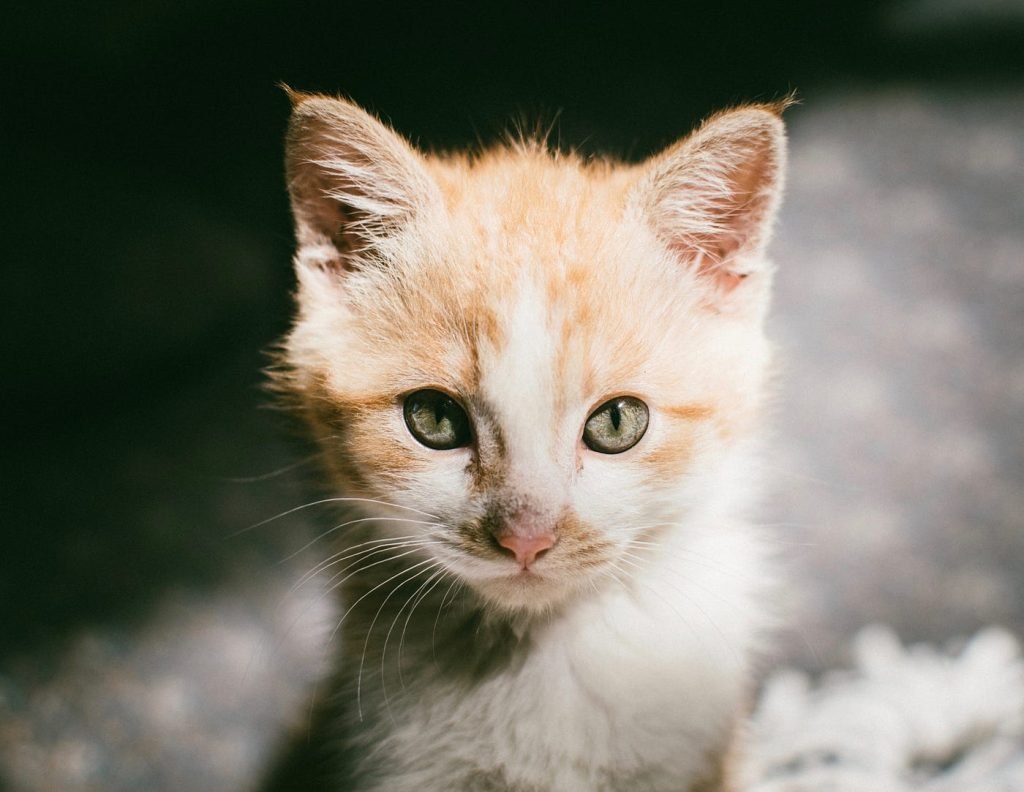
Adopting a feral cat might just be the most rewarding decision you make. Imagine the sense of fulfillment as you transform a once wild and wary creature into a beloved family member.
Your heart will swell with each small step of trust gained, and you’ll witness firsthand the incredible resilience and spirit of these remarkable animals. But how do you go about this unique and sometimes challenging process? You’ll discover practical tips and heartfelt insights that will guide you through every stage of welcoming a feral cat into your home.
Whether you’re driven by compassion, curiosity, or a love for animals, this guide will provide the knowledge and confidence you need to make a meaningful difference in a feral cat’s life—and in yours. Keep reading to uncover the secrets of building a bond that lasts a lifetime.

Credit: www.youtube.com
Preparing Your Home
Adopting a feral cat requires careful preparation at home. A feral cat needs calm and safety to adjust well. Preparing your space helps reduce stress for the new cat. Planning ahead creates a welcoming environment for your new pet.
Creating A Safe Space
Choose a small, quiet area in your home for the cat. This space should feel secure and free from loud noises. Remove any hazards like sharp objects or toxic plants. Provide hiding spots such as boxes or covered beds. This helps the cat feel protected and less scared.
Gathering Necessary Supplies
- Food and water bowls
- High-quality cat food
- Litter box and litter
- Soft bedding or blankets
- Toys for gentle play
- Scratching post
Having these supplies ready makes the cat’s transition smoother. Use clean and quiet bowls for food and water. Place the litter box in a private, easy-to-reach spot.
Setting Up A Quiet Room
Pick a room with minimal foot traffic and noise. Keep the lights dim and avoid sudden movements. Close doors and windows to limit outside distractions. Spend time near the cat without forcing contact. Let the cat explore and come to you when ready.

Credit: www.reddit.com
Approaching The Cat
Approaching a feral cat requires patience and care. These cats are often shy and wary of humans. Sudden movements or loud noises can scare them away. Taking time to understand their behavior helps build a positive connection. A calm and gentle approach increases the chance of trust.
Recognizing Cat Behavior
Feral cats show signs through body language. A relaxed tail means the cat feels safe. Ears pointed forward show curiosity. A flattened tail or hissing signals fear or anger. Watch for blinking eyes; slow blinks mean comfort. Notice their distance from you. A cat that keeps a safe space needs more time.
Building Trust Gradually
Start by sitting quietly near the cat. Avoid direct eye contact, which can seem threatening. Speak softly to calm the cat. Let the cat come closer on its own. Avoid sudden moves or reaching out quickly. Patience is key; trust grows slowly. Spending regular time nearby helps the cat feel safe.
Using Food As An Incentive
Food motivates many feral cats to approach. Offer tasty treats or wet cat food. Place the food a short distance away first. Gradually move the food closer each day. Avoid forcing the cat to eat near you. Let the cat eat in peace at first. Food creates positive feelings toward humans.
Health And Safety
Adopting a feral cat means paying close attention to health and safety. These cats often face many health risks before they come into your care. A strong health plan helps protect both your new cat and your household.
Feral cats may carry infections or parasites that need quick attention. Early veterinary care is essential to catch any hidden health problems. Proper vaccinations and parasite control keep your cat safe from common diseases. Spaying or neutering helps stop overpopulation and reduces health risks for your cat.
Scheduling A Vet Visit
Take your feral cat to the vet as soon as possible. The vet will check for injuries, infections, and overall health. This visit includes a physical exam and tests for common diseases. The vet can also advise on the best care plan for your new cat.
Vaccinations And Parasite Control
Vaccinations protect your cat from serious illnesses like rabies and feline distemper. Parasite control removes fleas, ticks, and worms that cause discomfort and illness. Your vet will recommend a vaccination and parasite schedule suited for feral cats.
Spaying And Neutering
Spaying and neutering prevent unwanted litters and reduce roaming behavior. This surgery lowers the chance of certain cancers and infections. It also helps your cat live a longer, healthier life. Arrange this procedure soon after your cat is healthy enough.

Credit: www.yahoo.com
Introducing To Family And Pets
Introducing a feral cat to your family and existing pets requires patience and care. These cats have lived independently and may feel threatened in a new environment. Helping them adjust smoothly can build trust and create a peaceful home for everyone.
Managing First Encounters
Keep initial meetings calm and controlled. Use a separate room for the feral cat with all essentials like food, water, and a litter box. Let your family members quietly sit nearby without forcing interaction, allowing the cat to observe and get comfortable with their presence.
When introducing pets, start by swapping scents. Rub a cloth on the feral cat and let your pets smell it, then do the same with your pets’ scent for the new cat. This simple step helps reduce fear and curiosity before any face-to-face meetings.
Monitoring Interactions
Never leave your feral cat and other pets alone during early encounters. Watch body language closely—flattened ears, hissing, or raised fur signal stress. If you see these signs, separate them immediately to avoid conflict.
Keep interactions short at first and gradually increase time together as comfort grows. Use treats and praise to encourage calm behavior from all animals. This positive reinforcement helps build a friendly atmosphere.
Ensuring Positive Experiences
Create plenty of safe spaces where your feral cat can retreat when overwhelmed. Vertical spaces like cat trees or shelves offer security and a vantage point. Your other pets also need their own zones to feel safe.
Engage all pets in group play sessions using toys like feather wands or laser pointers. Shared activities can foster bonds and reduce tension. Ask yourself: How can you make every interaction rewarding for all involved?
Establishing Routine
Establishing a routine helps a feral cat feel safe and understand its new home. Cats thrive on consistency. A clear daily schedule reduces stress and builds trust. This routine covers feeding times, litter box habits, and play sessions. Each part plays a key role in helping your cat adjust.
Feeding Schedules
Feed your feral cat at the same times each day. This predictability helps them relax and trust you. Use small, frequent meals to avoid overwhelming the cat. Fresh water should always be available. Avoid sudden changes in food to prevent stomach upset. Consistent feeding shows care and builds a bond.
Litter Box Training
Place the litter box in a quiet, easy-to-find spot. Show your cat where it is right away. Keep the box clean by scooping daily. Use unscented, clumping litter for comfort. If accidents happen, gently move the cat to the box. Patience is key as the cat learns this new habit.
Play And Enrichment
Set aside time daily for play to build trust and reduce fear. Use toys like feathers, balls, or strings to engage your cat. Play also helps prevent boredom and unwanted behavior. Create safe hiding spots and perches around the house. These enrichments make the environment interesting and comforting.
Handling Challenges
Adopting a feral cat comes with unique challenges. These cats have lived without human contact and may act scared or defensive. Understanding how to handle these behaviors helps build trust. Success depends on kindness, time, and the right approach.
Dealing With Fear And Aggression
Feral cats often show fear through hissing, growling, or scratching. Avoid sudden moves or loud noises that can increase their stress. Give the cat space and let it approach you first. Use calm voices and slow gestures to appear less threatening.
Feeding the cat regularly in a quiet spot creates positive associations. Use treats or toys to encourage gentle interaction. Never force contact. Respect the cat’s boundaries to reduce aggression over time.
When To Seek Professional Help
Some feral cats may remain aggressive despite your efforts. A veterinarian or animal behaviorist can offer guidance. They can check for health issues causing pain or discomfort. Professionals may suggest behavior modification plans or medical treatments.
Contact animal rescue groups experienced with feral cats for advice. They can provide support or help with trapping and socializing if needed. Seeking help ensures the cat’s well-being and improves chances of successful adoption.
Patience And Persistence
Building trust with a feral cat takes weeks or months. Consistency is key. Stick to feeding times and quiet interactions. Celebrate small victories like allowing touch or sitting nearby.
Remember, every cat’s journey is different. Some may never fully tame, but they can still live happy lives. Stay calm, patient, and keep trying. Your effort makes a big difference in the cat’s life.
Frequently Asked Questions
What Should I Know Before Adopting A Feral Cat?
Feral cats are wild and shy, needing patience and gentle care. They may not be socialized to humans and require gradual trust-building. Providing a safe, quiet environment is essential for their adjustment and well-being.
How Do I Safely Trap A Feral Cat For Adoption?
Use a humane live trap with bait like canned tuna or sardines. Place it in a quiet, familiar area. Check the trap frequently to avoid stress or harm to the cat during trapping.
Can Feral Cats Become Good Indoor Pets?
Yes, with time and patience, many feral cats adjust to indoor life. They need slow socialization, consistent feeding, and a calm environment to feel secure and form bonds.
What Are The Health Concerns When Adopting Feral Cats?
Feral cats may carry parasites, infections, or diseases like rabies. A vet check-up, vaccinations, and spaying/neutering are vital to ensure their health and safety for your home.
Conclusion
Adopting a feral cat brings many rewards and challenges. These cats need time and patience to trust humans. Your care can change their life for the better. Each small step helps build a strong bond. You save a life and gain a loyal friend.
Think about your home and family before deciding. Giving a feral cat a chance means hope and kindness. The journey is worth every moment spent together.
