

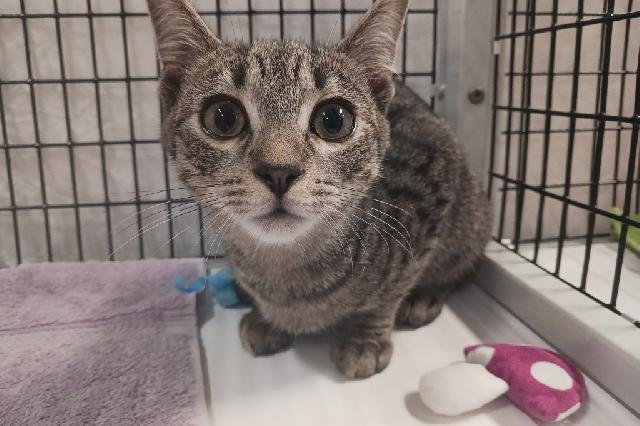
Are you thinking about adding a furry friend to your family? Adopting a cat from a shelter might be the perfect choice for you.
Imagine giving a loving home to a cat in need. Not only will you gain a loyal companion, but you’ll also save a life. Shelters are filled with cats longing for a second chance, and you could be the hero they’ve been waiting for.
You’ll discover everything you need to know about adopting a cat from a shelter, including the benefits, the process, and tips for welcoming your new feline friend into your home. Keep reading to learn how you can make a big difference in a cat’s life while enriching your own.
Benefits Of Shelter Cats
Choosing a shelter cat brings many rewards. Shelter cats often wait for a second chance at life. They offer love and companionship. Adopting from a shelter supports animal welfare and reduces homelessness. Shelter cats come in many types, ages, and personalities. They usually receive health and behavior checks before adoption. These benefits make shelter cats wonderful pets.
Saving A Life
Adopting a shelter cat saves it from euthanasia. Shelters are often full and need space. Giving a cat a home means one less animal in danger. Your choice helps reduce the number of homeless cats. It gives a cat the chance to live happily.
Variety Of Breeds And Ages
Shelters have cats of many breeds and ages. You can find kittens, adults, or seniors. Different breeds offer different looks and traits. This variety lets you pick a cat that fits your life. Older cats can be calm and loving companions.
Health And Behavior Screening
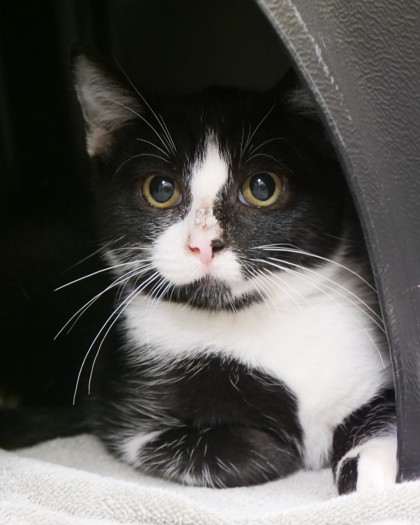
Shelter cats get basic health checks before adoption. They receive vaccines and are tested for diseases. Many shelters also check cats’ behavior. Staff observe their personalities and social skills. This helps match cats with the right owners. You adopt a cat that is ready for a home.
Credit: www.hamiltonhumane.com
Preparing For Adoption
Preparing for adoption is a vital step before bringing a cat home. It helps ensure a smooth transition for both you and your new pet. Careful planning creates a safe and happy environment for your cat. This section covers key points to consider before adoption.
Assessing Your Lifestyle
Think about your daily routine. How much time do you have for a pet? Cats need attention and care every day. Consider your work hours and social life. Some cats need more interaction, while others prefer quiet. Your home environment matters too. Are there children or other pets? Knowing your lifestyle helps pick a cat that fits well.
Choosing The Right Cat
Each cat has a unique personality. Some are playful and active, others calm and shy. Age is important. Kittens need more care, while older cats are often calmer. Health conditions can affect care needs. Talk to shelter staff about each cat’s behavior and history. Find a cat that matches your energy and home situation.
Essential Supplies
Prepare your home with the right supplies before the cat arrives. Basic items include:
- Litter box and litter
- Food and water bowls
- Cat food suitable for their age
- Comfortable bed or blanket
- Scratching post or pad
- Toys for play and stimulation
Set up a quiet space for the cat to feel safe. These essentials help your cat settle in quickly and comfortably.
Visiting The Shelter
Visiting a shelter is the first step to adopt a cat. It helps you see many cats and find the right match. Shelters have cats of all ages and personalities waiting for a home. The visit lets you understand the cat’s behavior and health. It also gives you a chance to talk with shelter staff. This experience is important to make a good choice for your new friend.
What To Expect
The shelter might feel busy and lively. Cats live in clean cages or rooms with toys and beds. You will see cats resting or playing. Staff may ask about your home and lifestyle. They want to help you find a cat that fits well. Visits usually take 30 minutes to an hour. Some shelters require an appointment. Follow the rules and be gentle with the cats.
Questions To Ask Staff
- How old is the cat?
- What is the cat’s health history?
- Is the cat good with children or other pets?
- What food does the cat eat?
- Has the cat been spayed or neutered?
- Does the cat need special care or medicine?
- What is the cat’s personality like?
- Can I spend time alone with the cat?
Staff can give honest answers. They know each cat’s story well. Asking questions helps avoid surprises later.
Interacting With Cats
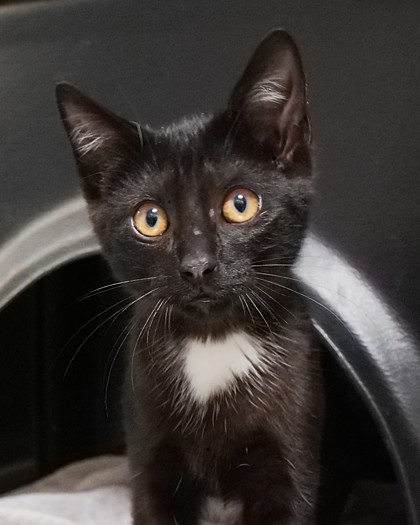
Approach cats slowly and calmly. Let the cat come to you first. Use a soft voice to avoid scaring them. You can gently pet the cat’s head or back. Watch the cat’s body language. If the cat purrs or rubs against you, it feels safe. If the cat hides or hisses, give it space. Spend some quiet time sitting near the cat. This builds trust and comfort. Taking time helps you connect with the right cat.
Credit: www.hamiltonhumane.com
Adoption Process Steps
Adopting a cat from a shelter is a rewarding experience, but it involves several important steps to ensure the right match for both you and the cat. Each step helps shelters understand your lifestyle and readiness to provide a safe, loving home. Knowing what to expect can make the process smoother and more enjoyable.
Application And Interview
Your journey begins with filling out an application. This form asks about your living situation, experience with pets, and preferences for the type of cat you want.
After submitting your application, you’ll usually have a conversation with a shelter representative. They may ask about your daily routine, other pets, and how you plan to care for your new cat. This helps them find the best match for your home.
Home Visit And Approval
Many shelters require a home visit to check that your living space is safe and suitable for a cat. This visit allows the shelter to see where your new pet will live and offer advice on making your home cat-friendly.
During the visit, you might discuss things like litter box placement, hiding spots, and potential hazards. Shelter staff want to ensure your home supports the cat’s well-being and comfort.
Finalizing Adoption
Once approved, you’ll complete the final paperwork to officially adopt your cat. This typically includes signing an adoption agreement and paying a fee that often covers vaccinations and spaying/neutering.
Bringing your new cat home is exciting, but remember to give them time to adjust. Setting up a quiet space with familiar items can ease their transition. How will you prepare your home to welcome your new furry friend?
Bringing Your Cat Home
Bringing a cat home from a shelter is an exciting moment. It marks the start of a new friendship. Cats can feel nervous in new places. Careful planning helps your cat feel safe and loved from the first day.
Preparing your home and transport can ease the transition. Patience is key. Every cat adjusts at its own pace. Understanding their needs makes the process smoother.
Safe Transport Tips
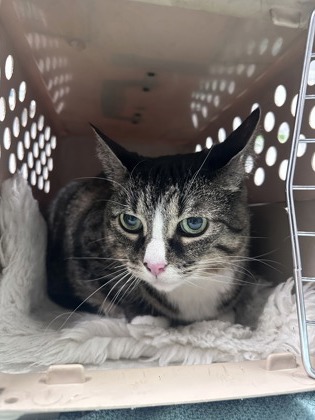
- Use a sturdy carrier for the trip.
- Place a soft blanket inside the carrier.
- Keep the carrier covered to reduce stress.
- Secure the carrier in your car to prevent movement.
- Talk softly to your cat during the journey.
- Do not feed your cat right before travel to avoid motion sickness.
Introducing To Your Home
Set up a quiet, small room for your cat first. Include food, water, litter box, and bedding. Let your cat explore this space alone.
Allow your cat to come out when ready. Avoid forcing interactions. Speak gently and move slowly around your new cat.
Keep loud noises and busy activity away during the first days.
First Days And Adjustment
Give your cat time to adjust to the new home. Expect hiding and quiet moments. This behavior is normal.
Offer food at regular times. Provide fresh water always. Clean the litter box daily to encourage use.
Play gently and watch your cat’s reactions. Avoid sudden movements or loud sounds. Gradually introduce other pets and family members.
Patience and care help build trust. Soon, your cat will feel safe and happy.
Caring For Your New Cat
Caring for your new cat means more than just providing a cozy bed and toys. It involves understanding their needs and creating a safe, healthy environment where they can thrive. Every cat is unique, so paying close attention to their habits and health will help you build a strong, lasting bond.
Nutrition And Feeding
Your cat’s diet is the foundation of their health. Choose high-quality cat food that fits their age, weight, and activity level. Avoid sudden changes in their diet to prevent stomach upset—introduce new food gradually over a week.
Fresh water should always be available. Some cats prefer running water, so a cat fountain might encourage better hydration. Watch their eating habits closely; a sudden loss of appetite can signal health issues.
Health Care And Vet Visits
Schedule a vet visit within the first week of bringing your cat home. This helps identify any hidden health problems early. Your vet will recommend vaccinations, parasite control, and spaying or neutering if not already done.
Keep a health journal to track symptoms, behavior changes, and vet appointments. This practice helped me spot a dental issue early with my cat, saving her from serious pain. Remember, regular check-ups are key to catching problems before they escalate.
Behavior And Training
New environments can stress cats, so create a quiet space where your cat feels secure. Use positive reinforcement to encourage good behavior—reward calm interactions and litter box use with treats and praise.
Understanding body language helps prevent conflicts and builds trust. For example, a flicking tail can mean irritation, while slow blinking shows comfort. Have you noticed your cat’s unique signals yet? Responding to these cues makes training smoother and deepens your connection.
Common Challenges
Adopting a cat from a shelter brings joy but also comes with its set of challenges. These obstacles often test your patience and commitment. Understanding and preparing for them helps you build a stronger bond with your new feline friend.
Dealing With Anxiety
Many shelter cats experience anxiety due to changes in environment and past trauma. You might notice your cat hiding, excessive grooming, or sudden aggression. To ease their stress, create a quiet, safe space and maintain a consistent routine.
Use calming tools like pheromone diffusers or soft music to help your cat relax. Have you tried sitting quietly near your cat without forcing interaction? Sometimes, just being present helps them feel secure.
Litter Box Training Issues
Not all shelter cats come fully litter-trained. Some may avoid the box out of fear or confusion. Keep the litter box clean, in a quiet location, and use unscented, clumping litter.
If accidents happen, clean areas thoroughly to remove odors and avoid re-soiling. Watch your cat’s behavior—are they digging in odd places or appearing restless? This can guide you in adjusting the litter setup or addressing underlying health issues.
Building Trust
Trust doesn’t develop overnight, especially with a cat coming from a shelter. Your cat might be cautious or shy at first. Patience is key; let your cat approach you on their terms.
Spend time near them without trying to pet or pick them up immediately. Offer treats and gentle words to create positive associations. What small gestures could you add to make your cat feel more comfortable today?
Credit: www.torontohumanesociety.com
Supporting Shelters Long-term
Supporting animal shelters over the long term helps keep cats safe and cared for. Shelters depend on ongoing help from people who care deeply. This support allows shelters to provide food, medical care, and safe spaces for many cats. There are many ways to help beyond just adopting a cat. Every effort counts and makes a real difference.
Volunteering Opportunities
Volunteering time offers direct help to shelters and cats. Volunteers can:
- Feed and clean cat areas
- Help socialize shy cats
- Assist with adoption events
- Provide administrative support
Even a few hours per week can improve shelter conditions. Volunteers build bonds with cats and staff. This creates a stronger community around shelter care.
Donations And Fundraising
Donations supply shelters with essential resources. Money helps buy food, medicine, and cleaning supplies. Fundraising events gather funds and raise community interest. Ideas for fundraising include:
- Charity walks or runs
- Online crowdfunding campaigns
- Garage sales or bake sales
- Partnering with local businesses
Regular donations, large or small, maintain steady support. Every dollar goes toward improving cats’ lives.
Spreading Awareness
Sharing shelter stories helps reach more potential adopters and donors. Talking about shelter needs educates the community. Use social media, blogs, and conversations to:
- Highlight cats ready for adoption
- Explain the importance of shelter care
- Promote events and fundraisers
- Encourage responsible pet ownership
Raising awareness inspires more people to help and care.
Frequently Asked Questions
What Are The Benefits Of Adopting A Cat From A Shelter?
Adopting a shelter cat saves lives and reduces overpopulation. Shelter cats are often vaccinated and spayed. It’s cost-effective and supports animal welfare. You also gain a loving, unique companion ready for a new home.
How Do I Choose The Right Shelter Cat?
Consider your lifestyle and cat’s temperament. Visit shelters to meet cats and ask about their behavior. Look for cats matching your activity level. Staff can help recommend cats that fit your home environment.
What Is The Adoption Process For Shelter Cats?
The process includes filling out an application and interview. You may pay an adoption fee covering vaccinations and spaying. Some shelters require a home visit or reference check. Once approved, you can take your cat home.
How Can I Prepare My Home For A New Shelter Cat?
Create a quiet, safe space for your cat. Provide food, water, litter box, and toys. Remove hazards and secure windows. Gradually introduce your cat to other pets and family members.
Conclusion
Adopting a cat from a shelter brings joy and warmth to your home. Shelters offer many cats needing love and care. Each cat has a unique story and personality. Giving them a home saves lives and creates bonds. It also supports shelters and their important work.
You gain a loyal friend and a happy heart. Consider adoption to make a positive change today. A shelter cat can become your family’s best companion. Simple acts of kindness bring lasting happiness for both.
