

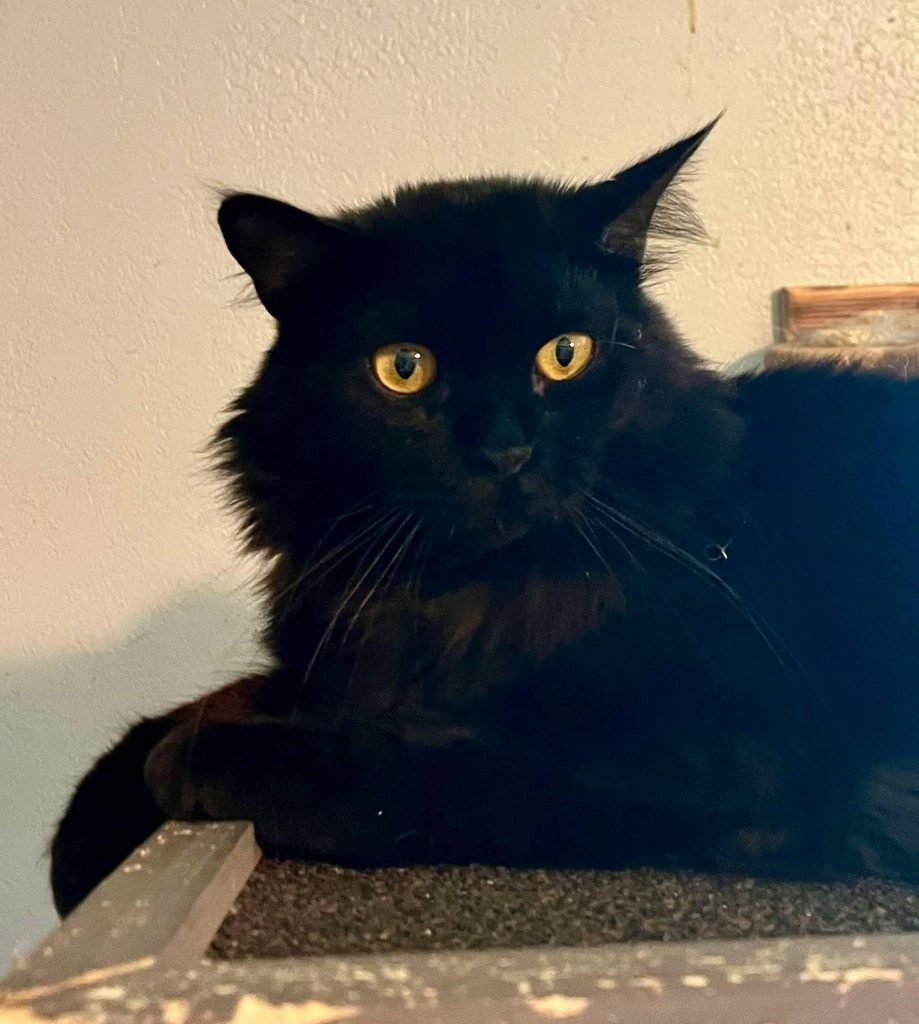
Are you dreaming of a furry friend to share your home with but dread the sneezes and sniffles that usually come with it? Adopting a hypoallergenic cat might just be the perfect solution for you.
Imagine enjoying the warmth and companionship of a cat without the constant battle with allergies. This possibility isn’t just a dream; it’s a reality many have embraced, and you can too. Discover how choosing a hypoallergenic cat can transform your life and bring joy without the usual allergy triggers.
You’ll learn everything you need to know to make an informed decision, from understanding what makes a cat hypoallergenic to tips on choosing the right breed for your lifestyle. Dive in, and let’s explore how you can enjoy the best of both worlds: a loving pet and a sneeze-free home.
Why Choose Hypoallergenic Cats
Choosing a hypoallergenic cat helps people with allergies enjoy a pet’s company. These cats produce fewer allergens, making them easier to live with. They offer a chance to have a cat without constant sneezing or itchy eyes. Hypoallergenic cats often have unique coats and personalities. Many believe they must give up on cats due to allergies. Hypoallergenic breeds provide a fresh option for allergy sufferers.
Benefits For Allergy Sufferers
Hypoallergenic cats reduce allergic reactions by producing less dander. Dander is the main cause of cat allergies. These cats shed less fur, which lowers allergen spread. Living with a hypoallergenic cat means fewer symptoms like sneezing or congestion. Allergy sufferers can enjoy pet companionship without discomfort. This can improve mental health and reduce stress. It also helps keep homes cleaner with less fur on furniture.
Common Myths About Hypoallergenic Cats
Many believe hypoallergenic means allergy-free. It does not guarantee zero allergies but lowers risk. Another myth is all hypoallergenic cats look the same. They come in many breeds and colors. Some think hypoallergenic cats do not shed at all. They do shed, but less than other cats. Some assume hypoallergenic cats need special care. Their care is similar to other cats. Understanding these facts helps make a better choice.
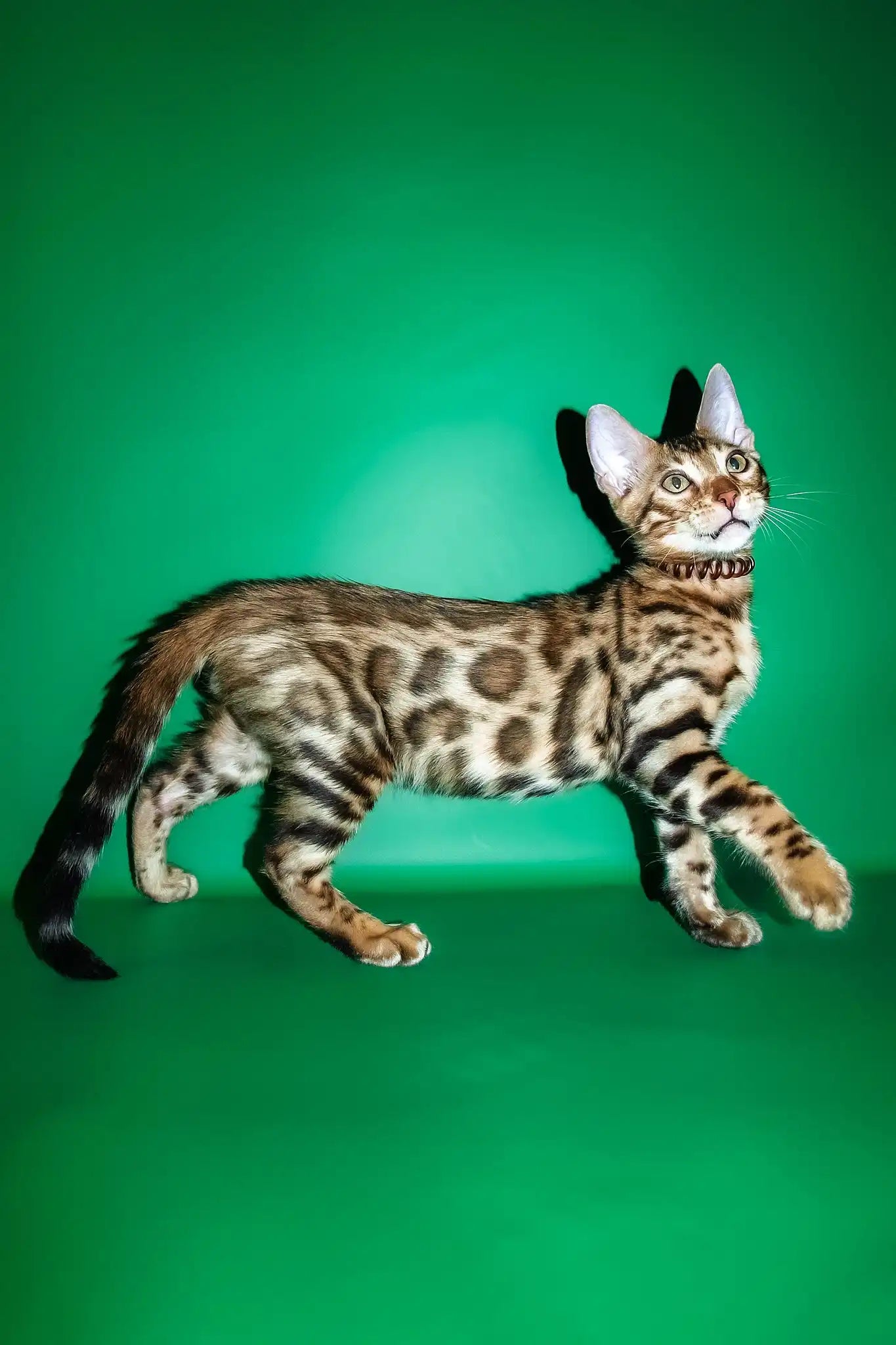
Credit: purebredkitties.com
Top Hypoallergenic Cat Breeds
Hypoallergenic cats offer a great option for people with allergies. These breeds produce fewer allergens, making them easier to live with. Choosing the right hypoallergenic cat can improve comfort and companionship.
Below are some of the top hypoallergenic cat breeds. Each has unique traits and lower allergen levels.
Siberian Cats
Siberian cats have thick, water-resistant coats. They produce less of the Fel d 1 protein, which triggers allergies. Friendly and playful, they adapt well to families.
Balinese Cats
Balinese cats have long hair but low allergen levels. Their silky coats need regular grooming. They are social, intelligent, and enjoy attention.
Devon Rex Cats
Devon Rex cats have short, curly fur. Their coat sheds less, reducing allergens. They are active, curious, and love human interaction.
Cornish Rex Cats
Cornish Rex cats possess soft, wavy coats. Minimal shedding means fewer allergens in the home. They are agile, playful, and highly affectionate.
Sphynx Cats
Sphynx cats have no fur, which lowers allergens. They need regular skin care to stay healthy. Known for their friendly and energetic nature.
Finding Hypoallergenic Cats For Adoption
Finding hypoallergenic cats for adoption can feel overwhelming, but it doesn’t have to be. You can discover wonderful cats waiting for a loving home through various trusted sources. Knowing where to look saves time and increases your chances of meeting a cat that fits your lifestyle and allergy needs.
Local Animal Shelters
Local animal shelters often have a variety of cats, including some breeds known to be hypoallergenic like the Siberian or Balinese. Visiting shelters gives you a chance to interact with cats directly and see how your allergies respond in real-time.
Many shelters are happy to provide information about a cat’s breed and behavior. Don’t hesitate to ask about any cats labeled as low-shedding or hypoallergenic—they might surprise you!
Specialty Rescue Groups
Some rescue groups focus specifically on hypoallergenic breeds, making them a great place to find cats like the Sphynx or Devon Rex. These organizations often have detailed knowledge about each cat’s temperament and allergy-friendliness.
Connecting with a specialty group means you can get personalized advice and support through the adoption process. Have you considered reaching out to breed-specific rescues in your area?
Online Adoption Platforms
Online platforms bring together cats from all over, including many hypoallergenic options. Sites like Petfinder or Adopt-a-Pet allow you to filter searches by breed, age, and allergy-friendly traits.
Using these platforms, you can read detailed descriptions, view photos, and even schedule meet-and-greets. How often do you explore these websites when looking for a pet? They can open doors to cats you might not find locally.
Preparing Your Home For A Hypoallergenic Cat
Preparing your home for a hypoallergenic cat creates a comfortable space for both you and your new pet. Hypoallergenic cats produce fewer allergens but still need a clean and safe environment. Proper preparation helps reduce allergic reactions and supports your cat’s health and happiness.
Reducing Allergens Indoors
Keep your home clean to lower allergens. Vacuum floors and furniture often using a vacuum with a HEPA filter. Wash curtains, bedding, and pet blankets weekly in hot water. Use air purifiers to remove airborne allergens. Avoid carpets if possible, as they trap dander. Clean litter boxes daily to prevent odors and dust. Limit your cat’s access to bedrooms or areas where you spend much time.
Essential Supplies
- Hypoallergenic cat litter with low dust
- Soft bedding that is easy to wash
- Scratching posts to protect furniture
- Food and water bowls made from stainless steel or ceramic
- Cat toys to keep your pet active and engaged
- Grooming tools like a gentle brush for regular fur care
Setting Up A Safe Space
Create a quiet area for your cat to relax and feel safe. Choose a corner with soft bedding and shade. Avoid loud noises or busy spots. Include toys and scratching posts to reduce stress. Make sure the space is free from harmful plants and chemicals. This zone helps your cat adjust smoothly to its new home.
Caring For Your Allergy-friendly Cat
Caring for your allergy-friendly cat involves more than just picking the right breed. It means understanding their unique needs to keep both you and your feline friend comfortable and happy. Small changes in daily routines can make a big difference in managing allergens while ensuring your cat thrives.
Grooming Tips To Minimize Allergens
Regular grooming reduces the amount of dander your cat sheds around the house. Brush your hypoallergenic cat at least twice a week using a soft-bristle brush to remove loose fur gently.
Consider wiping your cat’s fur with a damp cloth occasionally to trap dander before it spreads. Bathing your cat once a month with a mild, cat-safe shampoo can also help, but watch their reaction closely.
Do you notice less sneezing after grooming sessions? This simple habit can significantly improve air quality in your home.
Diet And Health Considerations
A healthy diet supports your cat’s skin and coat, reducing irritation and dander production. Choose high-quality cat food rich in omega-3 and omega-6 fatty acids to promote a shiny, healthy coat.
Ask your vet about supplements that might benefit your allergy-friendly cat. Sometimes, food allergies can worsen skin conditions, so monitor your cat’s reaction to new foods carefully.
Have you ever tried changing your cat’s diet to see if it affects your allergy symptoms? Paying attention to their nutrition can help both of you feel better.
Regular Vet Visits
Frequent check-ups keep your allergy-friendly cat in top shape and catch potential problems early. Discuss any unusual symptoms like excessive scratching or sneezing with your vet promptly.
Your veterinarian can recommend specific allergy tests or treatments if needed. Preventive care, including vaccinations and parasite control, also contributes to your cat’s overall health and comfort.
How often do you schedule your cat’s vet visits? Keeping a consistent routine benefits both your cat’s wellbeing and your peace of mind.

Credit: spcaroussillon.com
Managing Allergies With Your New Cat
Managing allergies with your new hypoallergenic cat is key for a happy home. Understanding allergy triggers and how to reduce them helps you enjoy your pet more. Small changes make a big difference in comfort and health.
Allergy Medication Options
Many allergy medications help reduce symptoms effectively. Antihistamines block allergy responses in the body. Nasal sprays soothe irritated airways. Eye drops reduce redness and itching. Consult a doctor for the best choice. Over-the-counter meds work for mild allergies. Prescription drugs help with severe reactions.
Cleaning And Maintenance
Regular cleaning lowers allergens in your home. Vacuum floors and furniture often using a HEPA filter. Wash your cat’s bedding weekly in hot water. Wipe surfaces with damp cloths to capture dust. Groom your cat weekly to remove loose fur. Keep your cat out of bedrooms for better air quality.
When To Seek Medical Advice
Seek medical advice if allergy symptoms worsen. Persistent sneezing, coughing, or skin rash need attention. Difficulty breathing or chest tightness requires urgent care. A doctor can provide allergy testing and stronger treatments. Early action prevents severe allergic reactions. Stay aware of changes in your health.
Stories From Hypoallergenic Cat Owners
Many people share their journeys with hypoallergenic cats. These stories show real-life moments and lessons. They reveal the joys and challenges of living with these special pets. Stories help others understand what to expect. They build confidence for those thinking about adoption.
Personal Experiences
Emma found relief from allergies after adopting a Siberian cat. She says the cat’s calm nature helped her relax. Mark, a father of two, shares how his Balinese cat became a family favorite. The cat’s playful spirit brightens their home daily. Sarah mentions her allergy symptoms reduced significantly with her Devon Rex. She enjoys their quiet companionship and soft fur.
Many owners note their cats’ gentle personalities. They describe fewer allergy attacks and more bonding time. These stories highlight the emotional benefits beyond health improvements. Owners feel happier and less stressed with their hypoallergenic cats.
Tips For New Owners
- Choose a hypoallergenic breed suited to your lifestyle.
- Spend time with the cat before adopting to test allergies.
- Keep your home clean to reduce allergens.
- Use air purifiers and wash cat bedding regularly.
- Schedule regular grooming to minimize loose fur.
- Consult a vet for advice on allergy management.
- Be patient; allergies may lessen over time with exposure.
- Create a calm environment to help your cat feel safe.
These simple tips can ease the transition. They help create a happy home for both owner and cat. Listening to experienced owners makes the process smoother. Hypoallergenic cats bring love with fewer allergy worries.
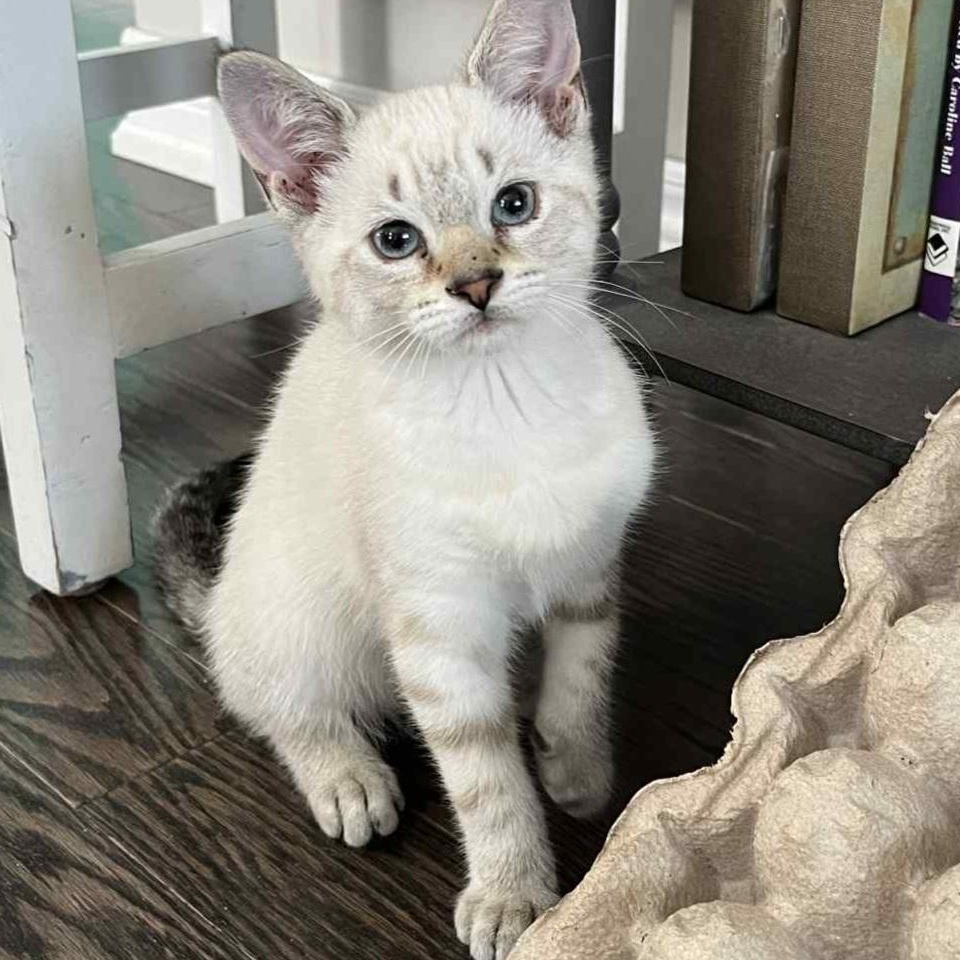
Credit: allistonhumane.com
Frequently Asked Questions
What Is A Hypoallergenic Cat?
A hypoallergenic cat produces fewer allergens than typical cats. This helps reduce allergy symptoms in sensitive people. Popular hypoallergenic breeds include the Siberian, Balinese, and Sphynx.
Are Hypoallergenic Cats Truly Allergy-free?
No cat is completely allergy-free. Hypoallergenic cats produce fewer allergens, which lowers allergic reactions. However, individual responses vary, so spending time with the cat before adoption is essential.
How To Care For A Hypoallergenic Cat?
Regular grooming minimizes allergens on the cat’s fur. Use a HEPA air purifier to reduce airborne allergens. Clean your home often, and wash cat bedding weekly to maintain low allergen levels.
Can Hypoallergenic Cats Live With Allergy Sufferers?
Yes, many allergy sufferers coexist well with hypoallergenic cats. Choosing the right breed and maintaining cleanliness helps reduce allergy triggers. Consult an allergist before adopting to ensure compatibility.
Conclusion
Adopting a hypoallergenic cat can bring joy without allergy worries. These cats offer love and companionship like any other pet. Choosing the right breed helps reduce allergy symptoms at home. Caring for a hypoallergenic cat is simple and rewarding. Enjoy the comfort of a furry friend who fits your lifestyle.
Embrace the chance to share your life with a gentle companion. A hypoallergenic cat can truly brighten your days.
