

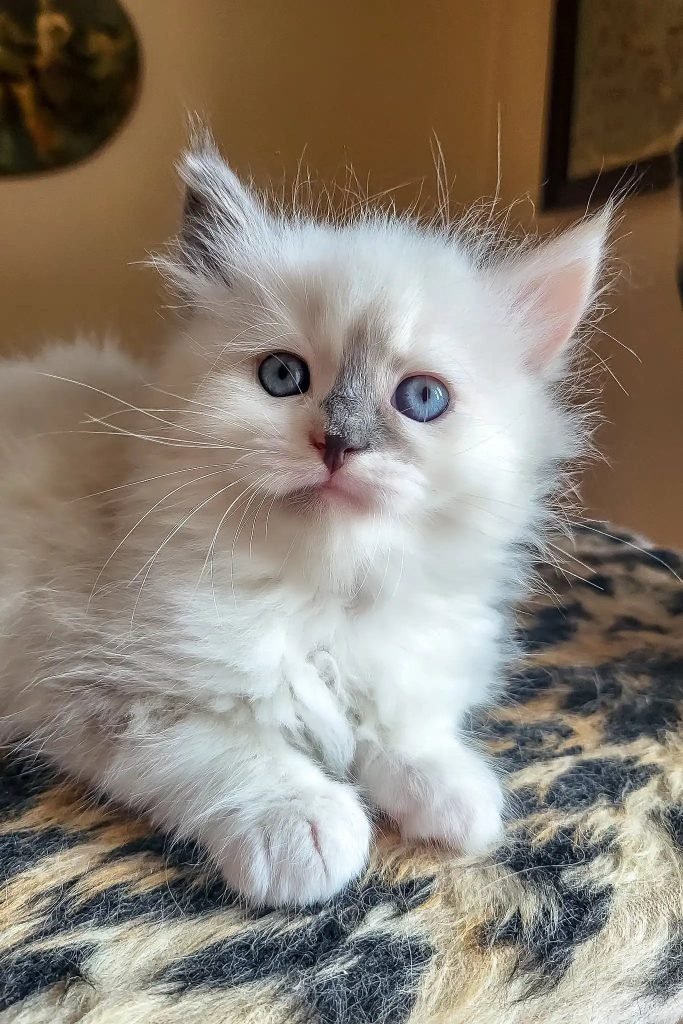
Are you dreaming of having a furry friend but worry about allergies? You’re not alone.
Many people love cats but hesitate to adopt because of sneezing, itching, or watery eyes. What if you could find a cat that fits perfectly into your home without triggering those uncomfortable reactions? Hypoallergenic cats might be the answer you’ve been searching for.
You’ll discover which cat breeds are easier on allergy sufferers and how to bring one into your life. Keep reading to find the purr-fect match for you and your family!
What Makes A Cat Hypoallergenic
Understanding what makes a cat hypoallergenic can change how you approach adopting your new furry friend. It’s not about a cat that causes zero allergies, but one that triggers fewer allergic reactions. Knowing the difference can help you find a cat that fits your lifestyle and health needs better.
Common Allergens In Cats
Cats produce several allergens, but the main one is a protein called Fel d 1. This protein is found in cat saliva, skin flakes (dander), and urine. When cats groom themselves, Fel d 1 spreads on their fur and into the environment.
Other allergens include proteins in cat saliva and skin oils. These allergens can stick to furniture, carpets, and clothes, making allergy symptoms worse. Have you noticed how some cats seem to cause more sneezing or itchy eyes than others? That’s often due to how much Fel d 1 they produce.
How Hypoallergenic Cats Differ
Hypoallergenic cats produce less Fel d 1 or shed less dander into the air. Some breeds like the Siberian or Balinese are known to have lower levels of this allergen. This doesn’t mean they eliminate allergies entirely, but they reduce the amount of allergens you are exposed to.
Other factors include a cat’s grooming habits and coat type. Cats with less fur or hair that doesn’t shed as much usually spread fewer allergens around the home. Have you ever met someone who said they were allergic to cats but could tolerate certain breeds? That’s because hypoallergenic cats can make living with allergies more manageable.
Top Hypoallergenic Cat Breeds
Choosing a hypoallergenic cat breed can ease allergies while bringing joy. These cats produce fewer allergens, making them friendlier for sensitive people. Many breeds fit this need and offer unique looks and personalities. Explore some of the top hypoallergenic cat breeds below to find your perfect match.
Siberian Cats
Siberian cats have thick, water-resistant coats. They produce less of the Fel d 1 protein, which triggers allergies. Their fur sheds less often, helping reduce allergens in the home. Siberians are playful and affectionate companions.
Balinese Cats
Balinese cats are known as “long-haired Siamese.” They have fine, silky coats that release fewer allergens. These cats enjoy being social and interact well with families. Their calm nature suits quiet homes and allergy sufferers.
Devon Rex Cats
Devon Rex cats have short, wavy fur that sheds very little. Their unique coat traps oils and allergens, preventing spread. These cats are lively, curious, and love attention. They fit well in active households.
Cornish Rex Cats
Cornish Rex cats have soft, curly coats with no guard hairs. This reduces dander and allergen release significantly. They are energetic, playful, and enjoy games. Cornish Rex cats bond closely with their owners.
Sphynx Cats
Sphynx cats lack fur, which cuts down allergen spread. Their skin needs regular cleaning to remove oils and dander. These cats are friendly, affectionate, and love human company. They offer a unique look and gentle nature.
Benefits Of Adopting Hypoallergenic Cats
Adopting hypoallergenic cats offers unique benefits. These cats produce fewer allergens, making them ideal for people with allergies. They bring joy and companionship without the usual allergy symptoms. Many families enjoy a pet’s love without discomfort or health risks. Choosing a hypoallergenic cat can improve life quality significantly.
Health Advantages For Allergy Sufferers
Hypoallergenic cats reduce allergic reactions. Their fur produces less dander, which triggers allergies. This means fewer sneezes, itchy eyes, and breathing problems. Allergy sufferers can enjoy pet ownership comfortably. It also lowers the need for allergy medications. This choice supports a healthier home environment.
Emotional And Social Benefits
These cats provide emotional comfort and reduce stress. Petting a cat can calm the mind and body. They offer companionship, helping to fight loneliness. Social interaction improves as pets often bring people together. Hypoallergenic cats allow more social activities without allergy worries. Their presence boosts mood and mental health.
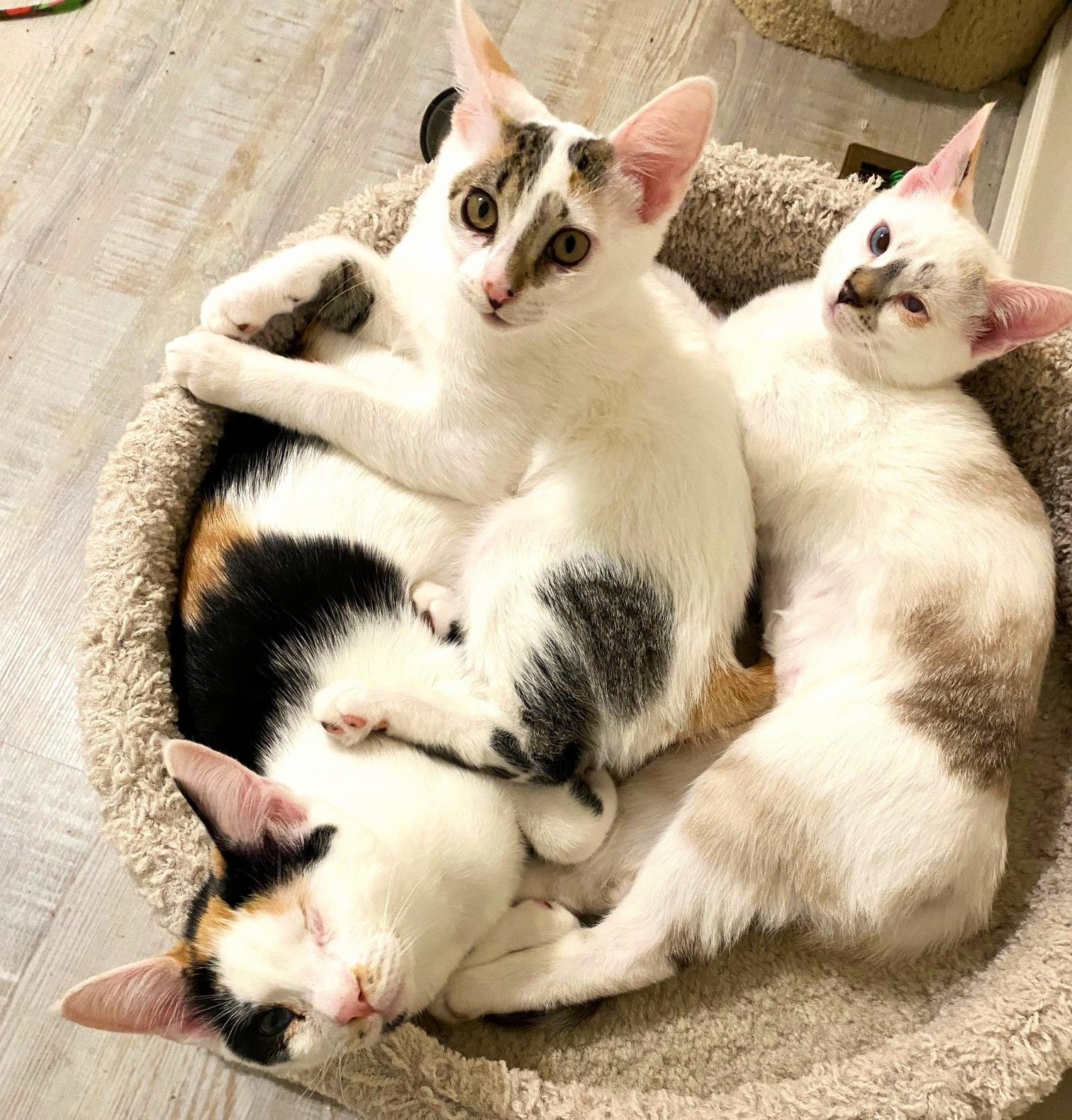
Credit: meowcatrescue.org
Where To Find Hypoallergenic Cats For Adoption
Finding a hypoallergenic cat for adoption can feel like a unique challenge, but there are several great places where you can start your search. Knowing where to look helps you connect with cats that fit your lifestyle and allergy needs. Whether you want to visit in person or browse online, options exist to match you with your ideal feline friend.
Animal Shelters And Rescue Groups
Local animal shelters often have a variety of cats, including some hypoallergenic breeds or mixes. Visiting shelters allows you to meet cats face-to-face and gauge their personalities. Staff can also guide you toward cats that might trigger fewer allergies based on their fur type and grooming habits.
Many shelters now list cats’ allergy-friendly traits on their websites, saving you time. Have you checked your neighborhood shelter lately? You might be surprised to find a hypoallergenic cat waiting for a loving home.
Breed-specific Rescues
Some rescue groups specialize in specific hypoallergenic breeds like the Siberian, Balinese, or Sphynx. These organizations focus on the health and welfare of particular breeds, increasing your chance of finding a cat with low allergen levels. They often provide detailed histories and breed-specific care advice.
Connecting with breed-specific rescues can also mean getting support from a community passionate about that breed. Have you explored these focused rescues? They might offer cats that align perfectly with your allergy concerns and lifestyle.
Online Adoption Platforms
Online adoption sites have made it easier to search for hypoallergenic cats across a wider area. Many platforms allow you to filter by breed, age, and allergy-friendly traits. You can compare profiles, view photos, and even arrange virtual meet-and-greets before committing.
These platforms often feature success stories and tips from adopters who have found their hypoallergenic match. Could browsing online help you discover a cat you wouldn’t find locally? Taking advantage of technology might bring you closer to your new companion.
Preparing Your Home For An Allergy-friendly Cat
Preparing your home for a hypoallergenic cat is more than just bringing a new pet inside. It’s about creating an environment that minimizes allergens while keeping your furry friend comfortable and happy. Small changes in your living space can make a big difference for allergy sufferers and help your new cat settle in smoothly.
Cleaning Tips To Reduce Allergens
Regular cleaning is key to controlling allergens in your home. Use a vacuum with a HEPA filter to capture pet dander and other tiny particles that trigger allergies. Don’t forget to clean floors, furniture, and curtains frequently since these areas trap allergens easily.
Wash your cat’s bedding and toys weekly in hot water to eliminate dander buildup. Consider using air purifiers with HEPA filters to keep the air fresh and reduce airborne allergens. Wiping down hard surfaces with a damp cloth can also help remove dust and allergens without spreading them around.
Creating A Safe Space For Your Cat
Your hypoallergenic cat needs a calm and dedicated space to call their own. Choose a quiet corner with a cozy bed where your cat can relax and feel secure. This spot should be away from heavy foot traffic and loud noises.
Keep this area free from carpets or heavy fabrics that can trap allergens, opting instead for washable mats or blankets. Providing scratching posts and toys here helps keep your cat entertained without needing to roam all over the house, which can spread allergens further.
Have you thought about how your cat’s safe zone can double as an allergen-free zone for you? Managing where your cat spends most of their time can greatly reduce your exposure to allergens.
Caring For Hypoallergenic Cats
Caring for hypoallergenic cats involves special attention to keep allergens low. These cats produce fewer allergy-causing proteins, but care still matters. Proper care helps maintain your cat’s health and reduces allergy symptoms for sensitive owners.
Grooming Practices To Minimize Allergens
Regular grooming reduces dander and loose fur, lowering allergens in your home. Brush your cat gently every day using a soft brush. This removes dead skin and fur before they spread around.
Bathing your cat occasionally helps wash away allergens. Use a mild shampoo made for cats. Avoid over-bathing, as it can dry out the skin and cause irritation.
Wipe your cat’s face and paws with a damp cloth to remove allergen buildup. Keep your cat’s bedding clean by washing it weekly in hot water. Vacuum floors and furniture often to remove hair and dander.
Diet And Health Considerations
Feed your cat a balanced diet to keep its skin and coat healthy. Healthy skin produces fewer allergens. Choose high-quality cat food rich in omega-3 and omega-6 fatty acids.
Watch for food allergies or sensitivities. These can worsen skin problems and increase allergens. Consult a vet for the best diet advice.
Keep your cat hydrated with fresh water every day. Regular vet checkups catch health issues early and reduce allergen risks. A healthy cat means a happier home for everyone.
Living Comfortably With Allergies And Your Cat
Living with allergies doesn’t mean you have to give up the joy of having a cat. Hypoallergenic cats offer a unique chance to enjoy feline companionship with fewer sneezes and less itching. Understanding how to live comfortably with your cat and manage your allergy symptoms can transform your home into a happy place for both of you.
Managing Allergy Symptoms
Controlling allergy symptoms starts with recognizing your triggers. Even hypoallergenic cats produce some allergens, so regular cleaning is essential.
- Use a HEPA air purifier to reduce airborne allergens.
- Wash your hands after petting your cat to avoid spreading allergens to your face.
- Consider allergy medications or natural remedies, but talk to your doctor first.
One cat owner shared that using a saline nasal spray daily helped reduce irritation significantly. Could a simple change in your routine improve your comfort?
Balancing Pet Care And Allergy Control
Giving your cat love while keeping allergies in check requires a balanced approach. Regular grooming of your cat reduces dander but be sure to wear a mask to protect yourself during brushing.
- Designate pet-free zones, like your bedroom, to create allergen-free spaces.
- Vacuum with a machine equipped with a HEPA filter at least twice a week.
- Wash your cat’s bedding and toys frequently to keep allergens low.
Think about how small adjustments in your daily care routine can enhance your well-being. What simple habit could you add today to make living with your hypoallergenic cat easier?

Credit: purebredcatrescue.org
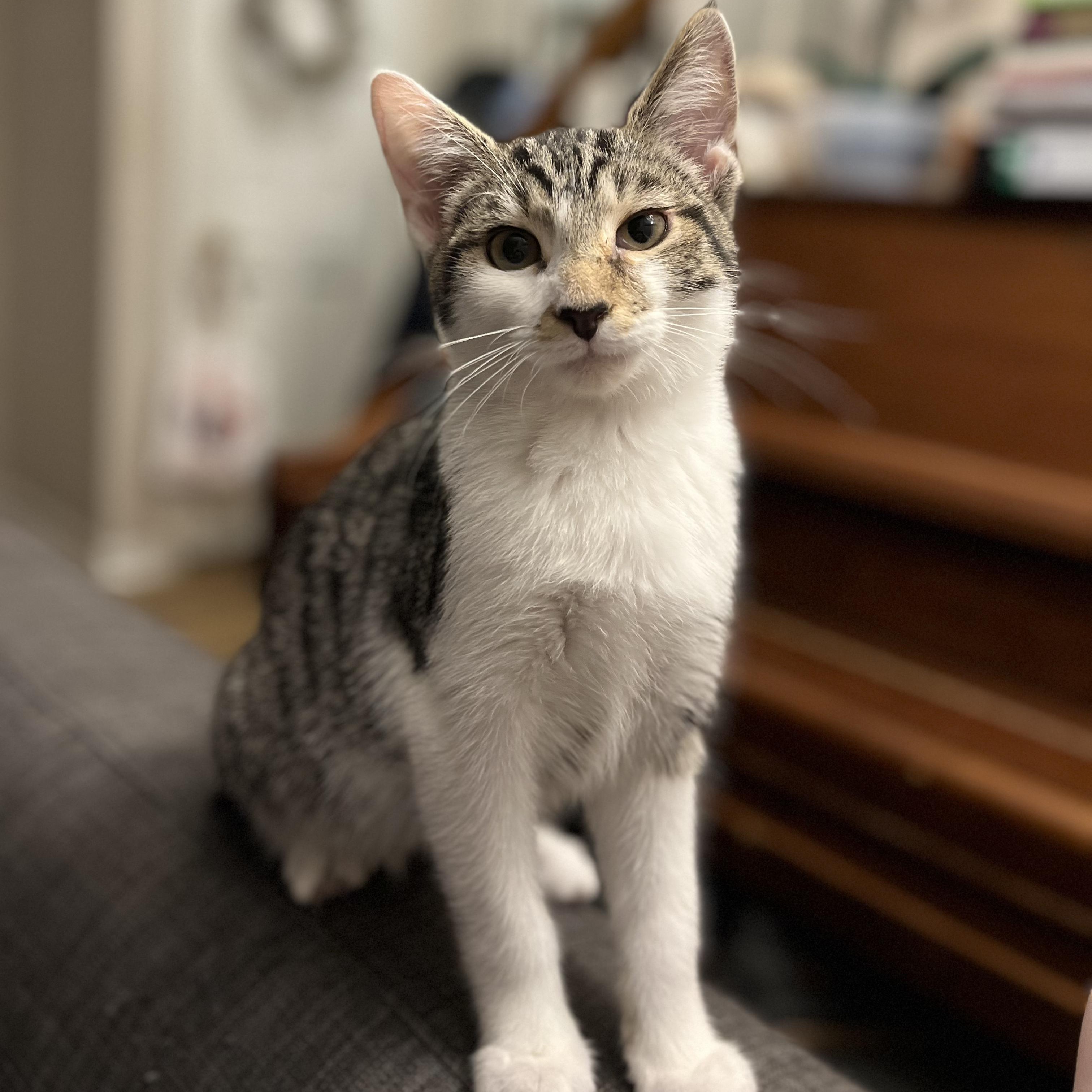
Credit: mynewcat.org
Frequently Asked Questions
What Are Hypoallergenic Cats?
Hypoallergenic cats produce fewer allergens than typical cats. They are better for people with allergies. Breeds like Siberian, Balinese, and Sphynx are popular hypoallergenic cats.
How To Find Hypoallergenic Cats For Adoption?
Look for animal shelters or rescue groups specializing in hypoallergenic breeds. Ask about cats with lower allergen levels. Online adoption sites may also list hypoallergenic cats available nearby.
Are Hypoallergenic Cats Completely Allergy-free?
No cat is 100% allergy-free. Hypoallergenic cats produce fewer allergens but can still cause mild reactions. Allergy sufferers should spend time with the cat before adopting.
Which Hypoallergenic Cat Breeds Are Best For Families?
Siberian, Balinese, and Russian Blue cats are gentle and hypoallergenic. These breeds are friendly, social, and good with children. They make great family pets.
Conclusion
Adopting a hypoallergenic cat can bring joy and comfort. These cats often suit those with allergies. It’s important to research and choose the right breed. Visit shelters to meet potential feline friends. Remember, each cat has a unique personality. Patience and love are key in the adoption process.
A new pet can create a happy home. Enjoy the adventure of adopting and caring for your new companion. A hypoallergenic cat may just be the perfect addition to your family.
