

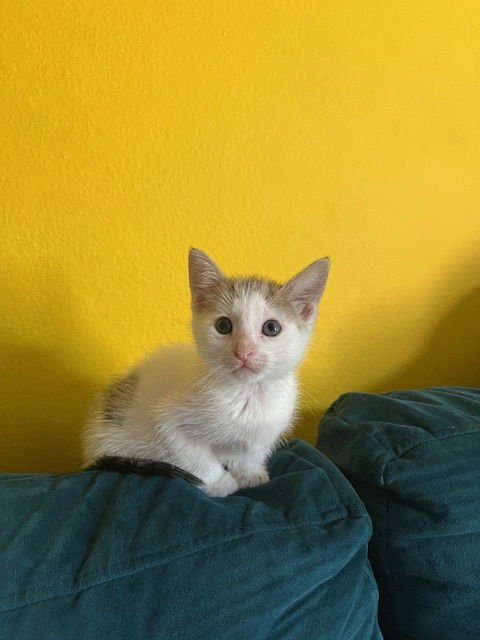
Have you ever wondered which color cat people choose most often when adopting? The color of a cat might seem like a small detail, but it can actually influence your chances of finding a forever home.
If you’re thinking about adopting a cat or just curious about what makes some cats more popular than others, this article is for you. Keep reading to discover surprising facts about cat colors and how they affect adoption rates—you might find the answer that changes the way you see your next feline friend.

Credit: www.reddit.com
Popular Cat Colors
Cats come in many colors, each with its own charm. Some colors attract more adopters than others. Understanding popular cat colors helps explain adoption trends.
Colors affect first impressions and sometimes personality expectations. They also reflect breed traits and genetics. Let’s explore common color variations and traits linked to these colors.
Common Color Variations
- Black:Sleek and mysterious, black cats are classic and elegant.
- White:Pure and clean, white cats often look striking.
- Orange (Ginger):Warm and bright, orange cats are often friendly and playful.
- Gray (Blue):Soft and calm, gray cats have a peaceful look.
- Calico:Tri-color patterns with white, black, and orange spots.
- Tortoiseshell (Tortie):A mix of black and orange in a mottled pattern.
- Tabby:Striped or spotted patterns in various colors.
Traits Linked To Colors
| Color | Common Traits |
|---|---|
| Black | Calm, confident, sometimes shy |
| White | Gentle, quiet, sensitive to noise |
| Orange | Outgoing, playful, affectionate |
| Gray | Laid-back, friendly, adaptable |
| Calico | Independent, strong-willed, loyal |
| Tortoiseshell | Feisty, vocal, intelligent |
| Tabby | Curious, social, active |

Credit: greatergood.com
Adoption Trends By Color
Adoption trends by color reveal surprising patterns in how people choose their feline companions. Certain colors catch the eye more often, while others tend to be passed over. Understanding these trends can help you make a more informed choice when adopting your next cat.
Most Adopted Colors
Cats with specific colors often find homes faster than others. Black cats, despite a common myth about bad luck, are frequently adopted due to their sleek and mysterious appearance. Similarly, orange tabbies attract attention with their bright and friendly look.
Calico and tortoiseshell cats also enjoy high adoption rates because of their unique and colorful coats. Many people are drawn to these patterns because no two cats look exactly alike. These colors often signal a vibrant personality, making them popular choices.
Colors Often Overlooked
Gray and white cats sometimes struggle to find homes quickly. Their subtle coloring may not stand out in a shelter environment. This can cause them to be overlooked despite having wonderful temperaments.
Shy or less striking colors like cream or diluted shades often wait longer for adoption. You might wonder if these cats are less loving or playful, but that’s rarely the case. Choosing a less popular color could mean you’ll gain a loyal and grateful companion who simply needs a chance.
Myths And Biases
Many people believe certain cat colors bring good luck or bad luck. These beliefs shape which cats get adopted more often. Myths about cat colors affect how people choose pets. These ideas are common but not always true.
Biases also play a part in adoption rates. People may prefer cats that look like pets they had before. Some colors are seen as friendlier or more attractive. This can make other cats wait longer for a home.
Color Preferences Among Adopters
Some adopters like black cats less because of old superstitions. Others prefer cats with bright or unique colors. White cats sometimes face challenges because of health myths. Calico and tortoiseshell cats are often seen as special.
Adopters often choose cats based on appearance alone. Personality and behavior get less attention at first. This focus on color creates uneven adoption rates.
Cultural Influences On Choices
Different cultures see cat colors in unique ways. In some countries, black cats mean bad luck. In others, they are symbols of protection. White cats may be prized or feared depending on culture.
Cultural stories and traditions shape these views. These ideas pass from generation to generation. They affect how people treat cats and which cats get homes.
Impact Of Color On Cat Behavior
Many people believe a cat’s color affects its behavior. This idea influences which cats get adopted the most. Some colors are thought to have specific personality traits. These beliefs shape how people interact with cats and choose them as pets.
Behavioral Stereotypes
People often say black cats are mysterious or shy. Orange cats are seen as friendly and playful. White cats might be thought of as calm and gentle. These ideas come from stories and old beliefs, not always facts.
Some think tortoiseshell cats are feisty and strong-willed. Tabby cats are considered smart and social. These stereotypes affect how people treat cats. They can make some cats more popular in shelters.
Scientific Findings
Studies show little proof that color changes cat behavior. Behavior depends more on breed, environment, and socialization. Cats of all colors can be loving or independent.
Research suggests personality differences within any color group. Shelter workers say each cat’s behavior is unique. Color alone does not predict how a cat acts.
Choosing a cat by behavior and personality is best. Color is less important than how a cat fits your home.
Shelter Strategies
Shelters face a unique challenge when some cat colors are adopted more quickly than others. To balance adoption rates, shelters develop strategies that highlight the charm and uniqueness of less adopted cats. These tactics not only improve adoption chances but also help change public perceptions about certain cat colors.
Promoting Less Adopted Colors
Shelters often create special campaigns to draw attention to cats with less popular colors, such as black or gray. They use creative photos, catchy descriptions, and social media posts to make these cats stand out. Have you ever noticed how a striking photo or a funny story makes you feel more connected to a pet?
Some shelters host themed adoption events focusing only on cats with certain colors. This strategy makes these cats feel special and encourages adopters to consider them. You can help by sharing these posts or attending local adoption days to support all cats equally.
Success Stories
Sharing stories of cats with less popular colors who found loving homes inspires potential adopters. One shelter shared how a shy black cat named Luna blossomed after adoption, changing many people’s minds about black cats. Stories like Luna’s prove that personality matters more than color.
These success stories often include pictures and testimonials from adopters. They show real examples of how every cat, regardless of color, can bring joy and companionship. What if your next cat was one whose story you helped write?

Credit: allaboutcatsrescue.org
Tips For Adopting Any Cat
Adopting a cat is an exciting journey, but it comes with important decisions that go beyond just choosing a favorite color. The right cat for you is one that fits well with your lifestyle and personality. Understanding what really matters can help you create a happy home for your new companion.
Choosing Beyond Color
It’s easy to be drawn to a cat’s color or pattern, but these traits don’t tell the whole story. Focus on the cat’s health, age, and energy levels instead. A kitten with a vibrant coat might be adorable, but an older cat with a calm demeanor could be a better match for your routine.
Think about the space you have. Active cats need room to explore, while others may prefer a cozy lap. Ask shelter staff about the cat’s behavior and medical history. This insight will help you make a choice that lasts.
Considering Personality
Personality shapes your daily life with your cat more than fur color ever will. Some cats love attention and will follow you everywhere. Others are independent and enjoy quiet corners. Which type fits your home?
Spend time interacting with different cats before deciding. Play with them, observe their reactions to noise, and see how they respond to strangers. This hands-on approach reveals their true nature.
Remember, a cat’s personality can change over time, especially when adjusting to a new home. Patience and understanding go a long way. Are you ready to give your new friend the time they need to settle in?
Frequently Asked Questions
What Color Cat Is Adopted The Most?
Black cats often face adoption challenges, but orange and tabby cats are adopted more frequently. These colors are popular due to their friendly reputation and visibility.
Why Are Black Cats Less Adopted?
Black cats are less adopted due to superstitions and visibility issues in shelters. Many people overlook them despite their loving nature and unique beauty.
Do Cat Colors Affect Adoption Rates?
Yes, cat colors influence adoption rates. Brightly colored cats like orange or calico tend to attract more adopters than darker-colored cats.
Are Certain Cat Colors Linked To Personality?
Some believe cat colors relate to personality traits. For instance, orange cats are often seen as friendly and social, which appeals to adopters.
Conclusion
Cat adoption trends reveal popular choices. Black cats often top the list. They are charming and mysterious. Tabby cats also find many homes. Their unique patterns attract adopters. White and gray cats follow closely. Each cat color brings joy. Adoption is about personal connection.
A cat’s color is just a part. All cats deserve love and care. Visit a shelter today. Find your perfect furry friend. Your new companion awaits. Make a positive difference in a cat’s life. Happy adopting!
