

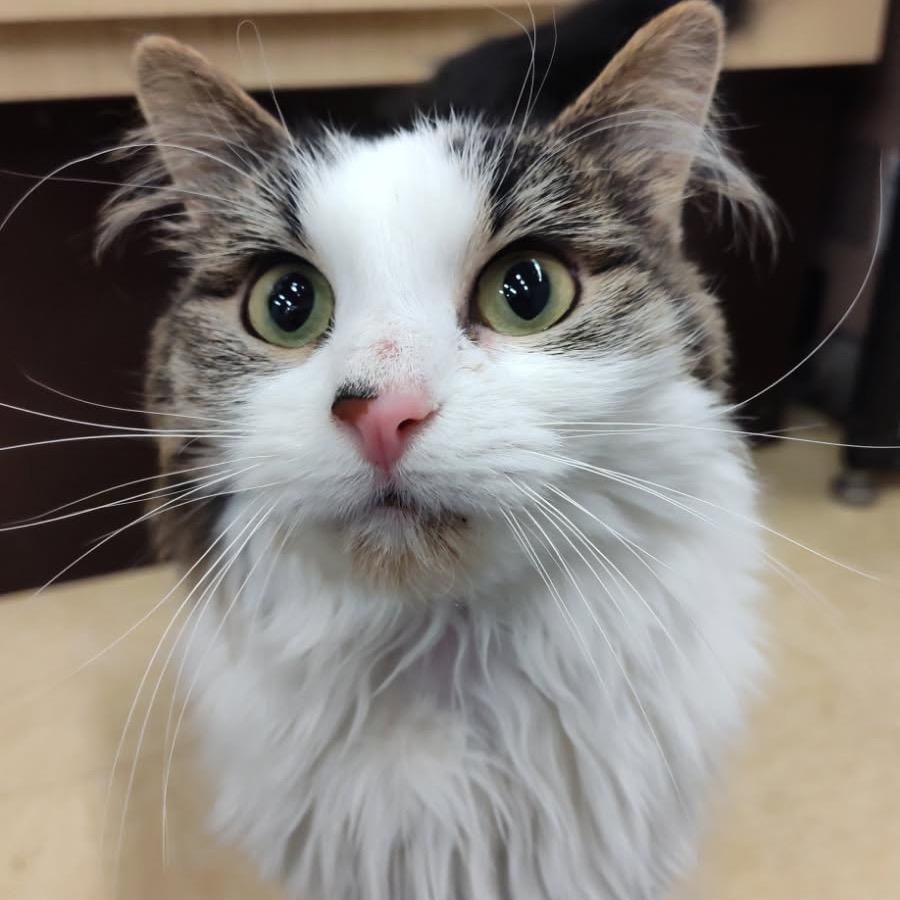
Are you thinking about adding a new furry friend to your family? The Turkish Angora cat might be the perfect match for you.
With its elegant looks and playful personality, this breed can bring joy and warmth to your home. But before you make a decision, there are important things you need to know about adopting a Turkish Angora. Keep reading to discover what makes this cat special and how you can give it the loving home it deserves.
Your future companion is waiting!
Turkish Angora Traits
The Turkish Angora cat is a graceful and charming breed. Known for its beauty and lively nature, it makes a delightful pet. Understanding its traits helps in choosing the right cat for your home. These traits cover appearance, personality, and health aspects.
Appearance And Coat
Turkish Angoras have a slim and elegant body. Their fur is long, silky, and soft to touch. Common coat colors include white, black, blue, and cream. Their eyes can be blue, green, amber, or odd-eyed (two different colors). Their bushy tail and fine bone structure add to their beauty.
Personality And Temperament
These cats are playful and intelligent. They enjoy interacting with people and other pets. Turkish Angoras are curious and love to explore their surroundings. They are affectionate but not overly demanding. Often, they follow their owners around and like to be involved in daily activities.
Health And Lifespan
Turkish Angoras are generally healthy cats. They have a lifespan of 12 to 16 years on average. Regular vet check-ups help prevent common issues. Their coat needs routine grooming to avoid matting. Keeping them active supports their overall well-being.
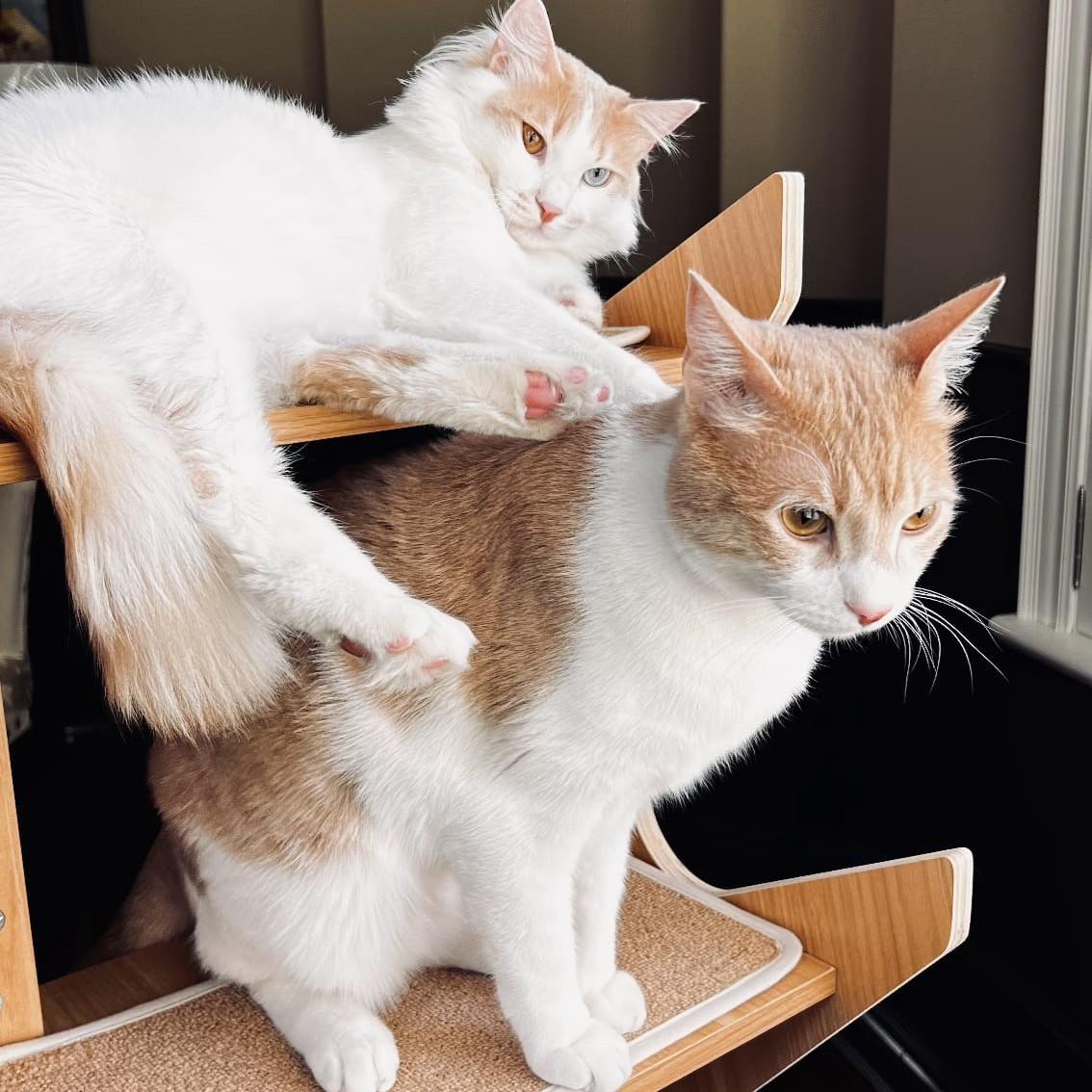
Credit: www.petfinder.com
Preparing For Adoption
Preparing for a Turkish Angora cat adoption takes careful thought. This elegant and playful breed needs a loving and safe environment. Setting up your home and gathering essentials helps your new pet settle quickly. Understanding where to adopt and how to prepare creates a smooth transition for both of you.
Choosing A Reputable Breeder Or Shelter
Find a breeder or shelter known for healthy Turkish Angoras. Check reviews and ask about the cat’s health history. Visit the place to see the living conditions. Choose a source that treats animals with care and respect. Avoid places where cats seem stressed or poorly cared for.
Essential Supplies For New Cats
Prepare these items before bringing your Turkish Angora home:
- Food and water bowls, sturdy and easy to clean
- High-quality cat food suited for their age
- A comfortable bed in a quiet spot
- Scratching posts to keep claws healthy
- Toys for play and mental stimulation
- Litter box placed in a private area
- Grooming tools like a soft brush
Having these ready helps the cat feel at ease from day one.
Home Safety Tips
Make your home safe for a curious Turkish Angora. Remove small objects that can be swallowed. Secure windows and balconies to prevent falls. Hide electrical cords or use protective covers. Keep toxic plants and chemicals out of reach. Create quiet zones where the cat can relax. These steps reduce risks and keep your cat happy.
Adoption Process
The adoption process for a Turkish Angora cat is simple and rewarding. It helps ensure your new pet fits well with your home and lifestyle. Following clear steps makes the experience smooth and joyful.
Meeting Your Future Cat
Visit the adoption center or shelter to meet the Turkish Angora cats. Spend time observing their behavior and personality. This helps find a cat that matches your energy and preferences. Ask questions about the cat’s health and history. Interaction is key to building a connection early on.
Paperwork And Fees
Complete the adoption application form carefully. Provide details about your home and pet care experience. Adoption fees cover vaccinations, spaying or neutering, and medical exams. They also support shelter operations and care. Keep copies of all documents for your records.
Bringing Your Cat Home
Prepare your home with essentials like a litter box, food, and a cozy bed. Transport your Turkish Angora safely in a secure carrier. Introduce your cat slowly to its new environment. Give them time to adjust and explore quietly. Patience helps build trust and comfort.
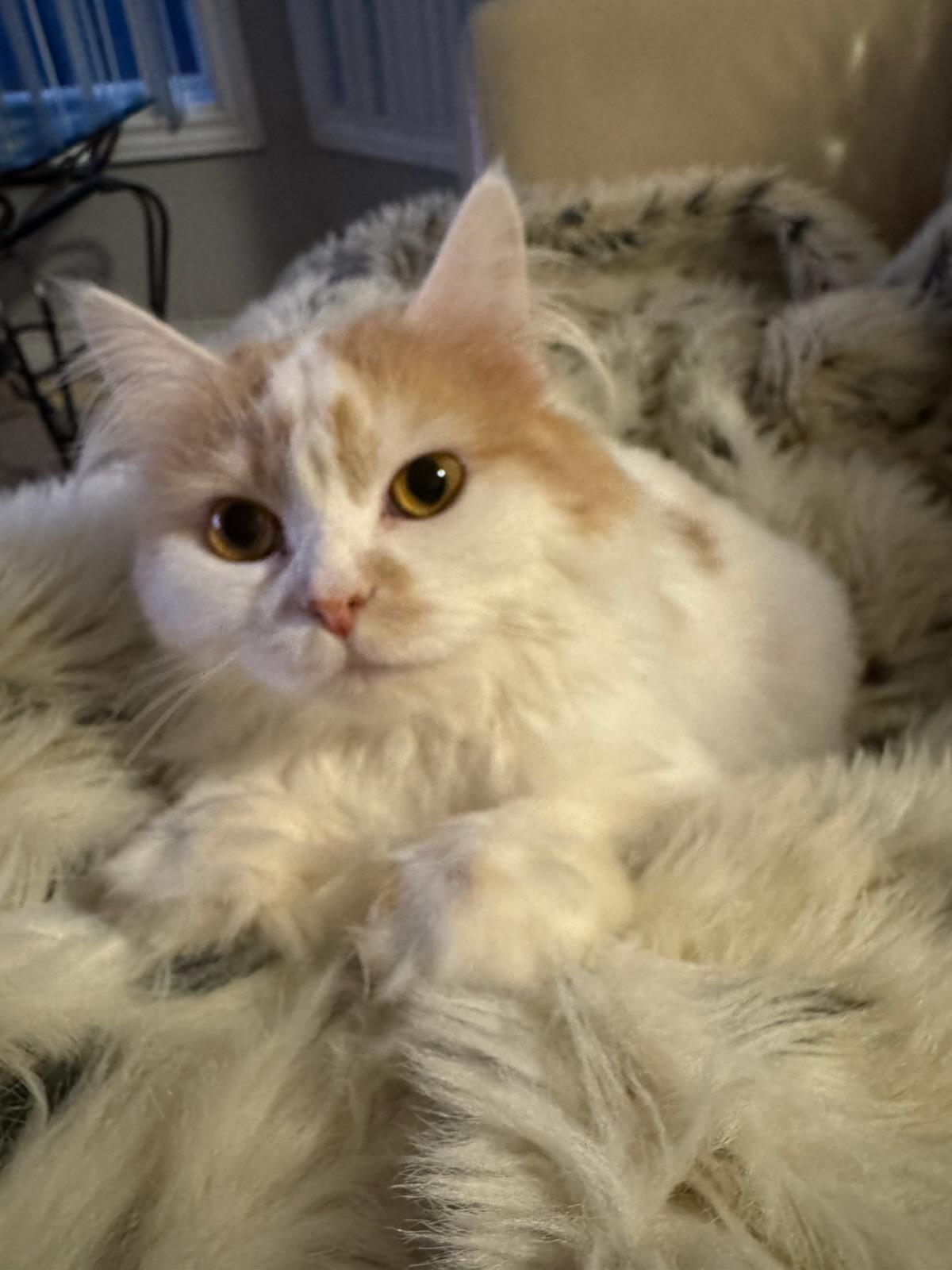
Credit: www.petfinder.com
Caring For Turkish Angoras
Caring for Turkish Angoras means understanding their unique needs and personality. These cats are elegant, intelligent, and active, so their care goes beyond basic feeding and cleaning. Paying attention to their specific requirements helps keep your Angora happy and healthy, strengthening the bond you share.
Nutrition And Feeding
Turkish Angoras thrive on a balanced diet rich in protein. Choose high-quality cat food that lists meat as the main ingredient. Avoid fillers like corn or soy, which add little nutritional value.
Feeding your Angora smaller, frequent meals throughout the day supports their energetic lifestyle. Watch for signs of food allergies or sensitivities, such as itching or digestive upset, and adjust their diet accordingly.
Have you noticed how your cat reacts to different foods? Tailoring their nutrition to their preferences and health needs makes a big difference.
Grooming Needs
Despite their long, silky coats, Turkish Angoras require moderate grooming. Brushing them twice a week prevents tangles and reduces shedding. It also gives you a chance to check for skin issues or parasites.
Bathing is rarely necessary unless your cat gets into something messy. Their fine fur is naturally clean and silky. Regular nail trims and ear checks complete their grooming routine.
Remember, grooming sessions can be a bonding moment. How does your Angora respond when you brush them? Patience and gentle handling help build trust.
Exercise And Play
Turkish Angoras are playful and curious, needing plenty of physical and mental stimulation. Interactive toys, climbing trees, and puzzle feeders keep them engaged. Without enough activity, they might become bored or restless.
Set aside time daily to play with your cat. This not only keeps them fit but also strengthens your connection. Watching their graceful jumps and quick reflexes is a joy that reminds you why you chose this breed.
Are you offering enough variety in play to challenge your Angora? Keep changing their toys and games to maintain their interest.
Building A Strong Bond
Building a strong bond with your Turkish Angora cat is key for a happy life together. These cats crave attention and love from their owners. Trust grows through daily care and positive interactions. Patience and consistency help form a deep connection. Understanding your cat’s needs makes the relationship stronger and more joyful.
Socializing And Training
Start socializing your Turkish Angora early to build confidence. Use gentle words and slow movements to avoid scaring them. Offer treats to reward good behavior. Short training sessions help them learn simple commands like “come” and “sit.” Socializing reduces fear and helps your cat feel safe. It also makes vet visits and new people easier for them.
Recognizing Behavior Signals
Watch your cat’s body language to understand their feelings. Tail up means they are happy and friendly. Ears back show they might be scared or angry. Slow blinking is a sign of trust and love. Purring usually means contentment but can also mean pain. Knowing these signals helps you respond in the right way.
Enriching Environment
Provide toys and scratching posts to keep your Turkish Angora active. Climbing trees or shelves give them a place to explore. Rotate toys to keep their interest alive. A cozy bed offers comfort and security. A stimulating environment reduces boredom and prevents bad behavior. It also encourages natural play and exercise.
Common Health Concerns
Turkish Angora cats are generally healthy but can face some health problems. Knowing these common concerns helps you keep your cat happy and safe. Regular care and early attention are key to a long, healthy life for your pet.
Preventive Care
Preventive care includes vaccines, parasite control, and dental hygiene. Feeding a balanced diet supports strong immunity. Groom your Turkish Angora often to avoid mats and skin issues. Regular check-ups catch problems before they become serious. Providing a safe environment reduces injury risks.
Signs Of Illness
- Loss of appetite or weight
- Unusual lethargy or hiding
- Vomiting or diarrhea
- Frequent scratching or hair loss
- Changes in breathing or coughing
- Swollen or red eyes
Watch your cat closely for these signs. Early detection makes treatment easier and more effective.
When To Visit The Vet
Visit the vet if your cat shows any signs of illness. Sudden behavior changes also need prompt attention. Schedule regular wellness exams at least once a year. Vaccines and dental cleanings often happen during these visits. Don’t delay care—early treatment improves outcomes.
Living With Turkish Angoras
Living with Turkish Angoras brings joy and energy into any home. These cats are playful, social, and very affectionate. They love being part of family activities and enjoy attention. Their graceful appearance matches their lively personality, making them a delight to care for.
Integrating With Other Pets
Turkish Angoras usually get along well with other pets. Early introductions help build good relationships. Allow slow, supervised meetings to avoid stress. Use separate spaces at first, then let them explore together. Turkish Angoras are curious and often friendly, which helps bonding. Patience is key to smooth integration.
Traveling And Moving Tips
Turkish Angoras can adapt to travel with proper care. Use a secure carrier for safety. Bring familiar blankets or toys to comfort them. Keep a calm environment during trips to reduce anxiety. Gradual exposure to new places helps them adjust. Always plan breaks and maintain feeding schedules.
Long-term Commitment
Adopting a Turkish Angora means a lifelong promise. These cats live 12-16 years on average. They need daily play, grooming, and love. Regular vet visits keep them healthy and happy. Turkish Angoras thrive in stable, caring homes. Understand their needs to build a strong bond.

Credit: www.adoptapet.com
Frequently Asked Questions
What Are The Key Traits Of Turkish Angora Cats?
Turkish Angoras are playful, intelligent, and affectionate cats. They have a silky coat, often white, and a slender build. These cats are social and enjoy interaction with humans and other pets.
How To Prepare For Adopting A Turkish Angora Cat?
Ensure a safe, cozy space with toys and scratching posts. Prepare nutritious cat food, a litter box, and regular vet care. Turkish Angoras thrive on attention, so plan for daily playtime and grooming.
Where Can I Adopt A Turkish Angora Cat?
Look for reputable animal shelters, breed-specific rescues, or responsible breeders. Verify the cat’s health and history. Online platforms and local adoption events can also help you find Turkish Angoras in need of homes.
What Is The Ideal Diet For Turkish Angora Cats?
Feed high-quality, protein-rich cat food tailored to their age and health. Fresh water should always be available. Avoid overfeeding and provide occasional treats to maintain a healthy weight and energy level.
Conclusion
Adopting a Turkish Angora cat can be a rewarding experience. These cats are beautiful and full of charm. Their playful nature adds joy to any home. They easily bond with family members. With proper care and love, they thrive and provide companionship.
Consider your lifestyle before adopting. Ensure you can meet their needs. Research and prepare your home for this lovely breed. Turkish Angoras can become cherished family members. Their grace and elegance make them a unique addition. Embrace the joy they bring.
Your decision can make a difference in their life and yours.
