

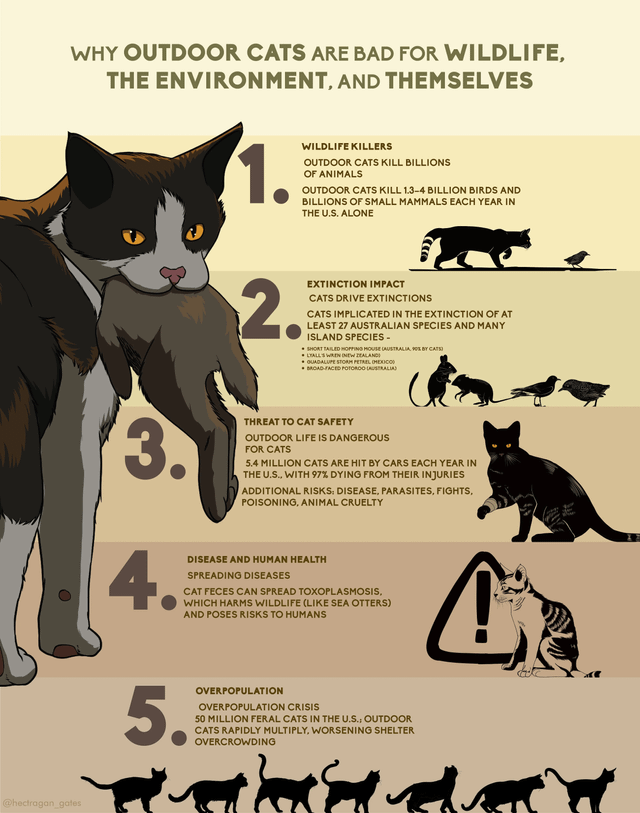
You love your cat, but have you ever stopped to think about how it might be affecting your health? What if the cute little furball you cuddle with every day is actually causing problems for your body and mind?
You might be surprised to learn that owning a cat isn’t always as harmless as it seems. You’ll discover 5 important reasons why cats could be bad for your health. Understanding these hidden risks can help you protect yourself and make smarter choices for your well-being.
Keep reading—your health depends on it.

Credit: weareallaboutcats.com
Allergies Triggered By Cats
Cats can be wonderful companions, but for many people, they bring an unwanted side effect: allergies. Cat allergens are tiny proteins found in their skin flakes, saliva, and urine. These allergens can easily spread through your home, triggering allergic reactions that affect your health in more ways than you might expect.
Common Allergy Symptoms
If you have a cat allergy, you might notice sneezing, runny or stuffy nose, and itchy eyes. Skin reactions like rashes or hives can also appear after petting a cat. Some people even experience coughing or wheezing, which can feel like a mild asthma attack.
Imagine sitting on your couch, and suddenly your eyes start to water uncontrollably. That’s often the first sign that cat allergens are affecting you. You might not always connect these symptoms to your pet, but recognizing them is key to managing your health.
Long-term Effects Of Cat Allergens
Repeated exposure to cat allergens can worsen your symptoms over time. This can lead to chronic respiratory problems, including persistent asthma. If you already have asthma, living with cats may increase the frequency and severity of attacks.
Did you know that continuous allergen exposure can also weaken your immune system? This makes you more vulnerable to other illnesses. It’s worth asking yourself if the joy of having a cat outweighs these potential risks to your well-being.
Taking practical steps, like using air purifiers and regularly cleaning your home, can reduce allergen levels. But if your symptoms persist, consulting a healthcare professional is essential to protect your long-term health.
Credit: www.preventivevet.com
Risks Of Zoonotic Diseases
Cats can carry diseases that pass from animals to humans. These diseases are called zoonotic diseases. They can cause serious health problems. Understanding these risks helps protect you and your family.
Toxoplasmosis And Its Impact
Toxoplasmosis is a common disease spread by cats. The parasite lives in cat feces. People can get infected by handling litter boxes or soil. Pregnant women and people with weak immune systems face higher risks.
Symptoms include flu-like signs, fever, and muscle pain. Severe cases can cause damage to the brain or eyes. Pregnant women risk passing the infection to their unborn child.
Other Infections Spread By Cats
Cats can also spread other infections. Cat scratch disease occurs from bites or scratches. It causes swollen lymph nodes and fever. Ringworm is a fungal infection that causes skin rashes.
Bartonella and Campylobacter bacteria can cause fever and digestive problems. Always wash hands after touching cats or cleaning their litter. Regular vet checks reduce the chance of infections.
Mental Health Challenges
Owning a cat might seem like a simple joy, but it can bring mental health challenges you might not expect. These challenges often stem from the daily realities of cat care and the unpredictable nature of their behavior. Understanding these issues can help you decide if a cat truly fits your lifestyle and emotional needs.
Stress From Cat Care
Caring for a cat demands time, energy, and patience. You might find yourself constantly cleaning litter boxes, managing fur on your clothes, or worrying about your pet’s health. These tasks can pile up, creating a persistent background stress that affects your mood and focus.
Imagine coming home after a long day, only to face a scratched couch or a cat refusing to eat. These small, daily frustrations add up. Have you noticed how these moments chip away at your relaxation and peace of mind?
Anxiety Linked To Cat Behavior
Cats are known for being independent, but their unpredictable behavior can trigger anxiety. Sudden loud meows, scratching furniture, or even aggressive swiping can leave you feeling on edge. This unpredictability makes it hard to fully relax in your own home.
Some cat owners report feeling anxious about leaving their pet alone or worried about potential damage. Does this constant vigilance make you question the balance between pet ownership and your mental well-being?
Recognizing how cat behavior influences your anxiety can help you set boundaries or seek support. It’s important to ask yourself if the emotional cost is worth the companionship.
Physical Injuries From Cats
Cats seem cute and harmless, but they can cause physical injuries. These injuries can affect your health in unexpected ways. Cat claws and teeth are sharp and can hurt skin easily. Even a small scratch or bite can cause pain and discomfort. Some injuries look minor but may lead to serious health issues. Understanding these risks helps you stay safe around cats.
Scratches And Bites
Cats use their claws to defend themselves or play roughly. Scratches can break the skin, causing bleeding and pain. Bites are often deeper and can damage tissues. Both scratches and bites can cause swelling and redness. Children and older adults are more prone to injuries from cats. It is important to clean wounds quickly to avoid problems.
Infections Resulting From Wounds
Cat scratches and bites can carry bacteria. These bacteria can cause infections like cat scratch disease. Symptoms include fever, swollen lymph nodes, and tiredness. Infections might need antibiotics to heal properly. Ignoring wounds may lead to serious complications. Always seek medical advice if wounds get worse or show signs of infection.
Impact On Respiratory Health
Cats can affect your breathing and lung health in many ways. Their fur and dander often carry allergens. These tiny particles can irritate the airways and cause breathing problems. People with weak lungs or allergies may feel worse around cats. Understanding how cats impact respiratory health helps you make safer choices.
Asthma Triggers
Cat allergens are common triggers for asthma attacks. These allergens come from saliva, urine, and fur. When cats groom themselves, they spread allergens into the air. Breathing in these particles can cause:
- Coughing
- Wheezing
- Shortness of breath
- Chest tightness
Asthma symptoms may become more frequent and severe. Even small amounts of cat dander can cause reactions in sensitive people.
Managing Respiratory Issues
Reduce exposure to cat allergens to protect your lungs. Try these tips:
- Keep cats out of bedrooms and living areas
- Use air purifiers with HEPA filters
- Clean floors and furniture regularly
- Wash hands after touching cats
- Vacuum with a HEPA filter vacuum cleaner
Regular visits to a doctor help manage symptoms. They may suggest medications or allergy treatments. Taking action can improve breathing and comfort.

Credit: justcatsclinic.com
Frequently Asked Questions
Can Cats Cause Allergies Affecting Your Health?
Yes, cats produce allergens that can trigger allergies. Symptoms include sneezing, itchy eyes, and respiratory issues. These allergies may worsen asthma and cause discomfort for sensitive individuals.
How Do Cats Impact Respiratory Health Negatively?
Cats shed dander and fur that can irritate lungs. This may lead to asthma attacks and breathing difficulties, especially in people with pre-existing respiratory conditions.
Are Cat Scratches Harmful To Humans?
Cat scratches can introduce bacteria causing infections like cat scratch disease. These infections may lead to swelling, fever, and require medical attention if untreated.
Can Owning Cats Increase Stress Or Anxiety Levels?
Though cats can be comforting, their care demands may increase stress. Allergies, scratches, and constant cleaning can cause anxiety and negatively affect mental health.
Conclusion
Cats can bring joy, but they may harm your health too. Allergies, scratches, and infections are common risks. Stress and sleep problems might also increase around cats. Think carefully before bringing a cat home. Your health matters most, so choose wisely.
Taking care of yourself is always the best choice.
